
Category: Reviews & Criticism
-

Newer Testaments, a novel by Philip Brunetti, reviewed by Nora E. Webb
Beautiful, haunting, and decidedly subversive, Newer Testaments invites us to explore the metaphysical, the hypothetical, and the hallucinatory. It follows an unnamed narrator in his journey of escape—first from the Facility to which he admits himself, and then (yet also simultaneously), from the compelling need to write his continuation of “The Revelation of John.” Our…
-
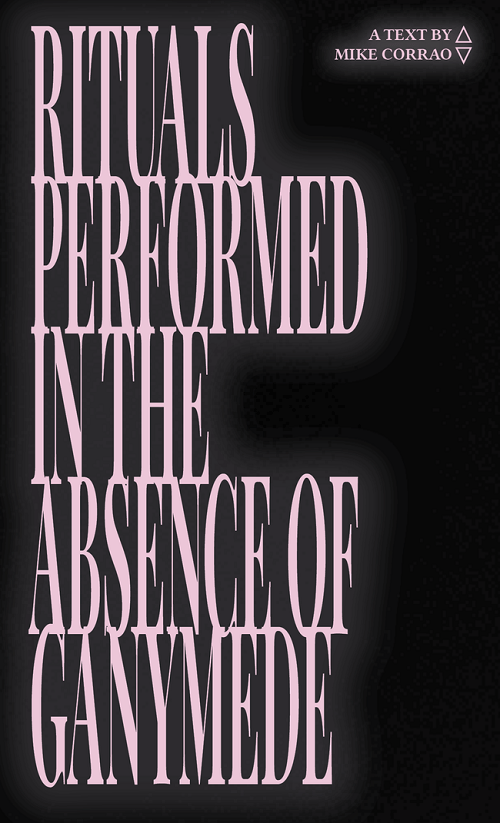
Frederick Arias: Opera kitsch for Rituals Performed in the Absence of Ganymede by Mike Corrao
Rituals Performed in the Absence of Ganymede emphasizes the ludological role of abstract anatomies and how they project different erotic instances from the artificial carapace that those bodies redesign in the act of reading through their garments and organs. In the rhizomatic level of the composition of the text, those organisms reduplicate themselves as they…
-
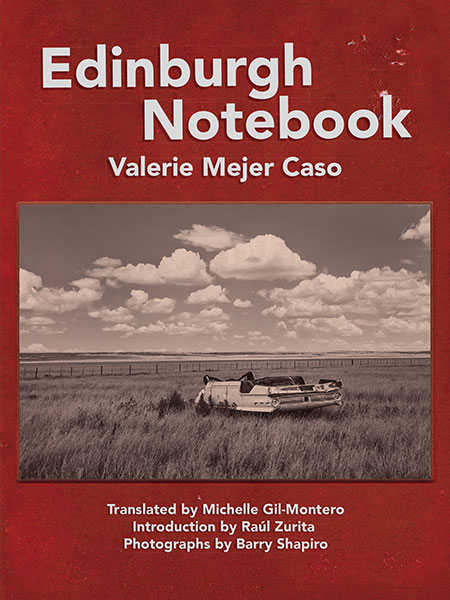
Esteban Rodríguez Reviews Edinburgh Notebook, an Action Books poetry collection by Valerie Mejer Caso
There is no telling what anyone’s reaction to death will be, but for many putting pen to paper helps process the void that is felt in someone’s absence. For Valerie Mejer Caso, Edinburgh Notebook is a testament to the power of language’s ability to heal and to help come close to answering the questions we…
-
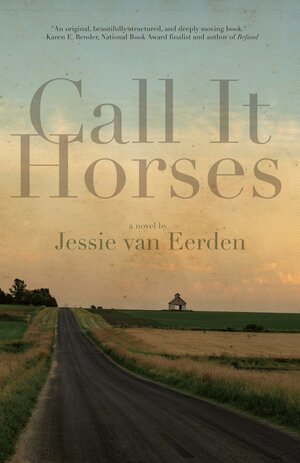
Maria Judnick Reviews Call It Horses, a Dzanc Books epistolary road novel by Jessie van Eerden
“I write you about the dead. I write you to stay alive and, after all this time, I write you, still, to become myself.” The opening page of Jessie van Eerden’s latest book Call It Horses, winner of the 2019 Dzanc Books Prize, draws us into this compelling epistolary novel that the narrator Frankie is…
-
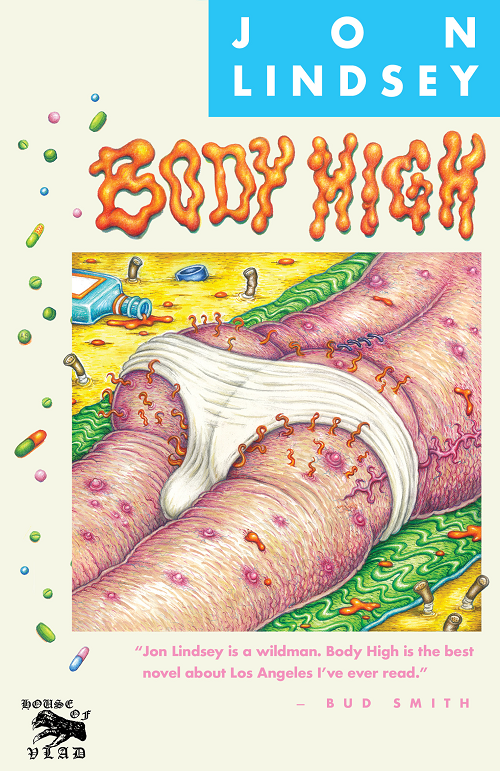
“The Seedier Angels of Our Nature”: Derek Maine on Reading Body High by Jon Lindsey
Los Angeles is an almost incomprehensively vast place. The expanse opens up a world of nooks, crannies, and hiding places for the seedier angels of our nature to roam. In The Day of the Locust, Nathanael West’s brilliant 1939 Hollywood novel, the scaffolding of celebrity and glamour coating the myth of Los Angeles is torn…
-
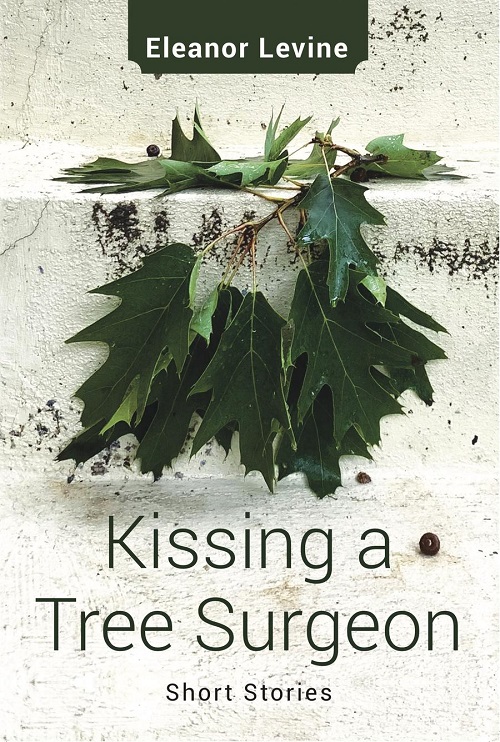
Kissing a Tree Surgeon, Eleanor Levine’s short story collection, reviewed by Judy T. Oldfield
On page 133 of Eleanor Levine’s story collection, Kissing a Tree Surgeon, I sat up straight, thrown for a loop at the name Diane Lewis. Though the marketing and jacket copy never refer to the collection as a novel in flash or linked stories, as a reader, I had thought of it as one; every…
-
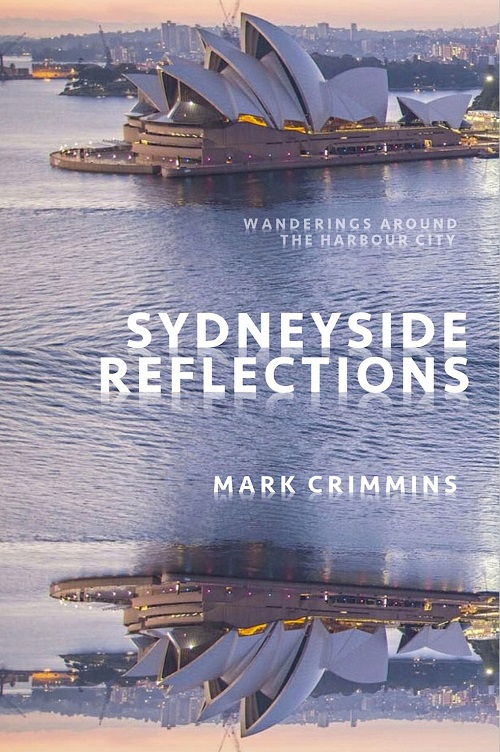
Maria Judnick on Sydneyside Reflections, an Everytime Press travelogue by Mark Crimmins
For the last year in much of the world, many of us have spent most of our days at home. We have memorized every freckle on our partner’s faces, walked every street in our neighborhoods, cleaned out every closet, and baked a lot of bread. For some, this time at home has been invigorating. For…
-
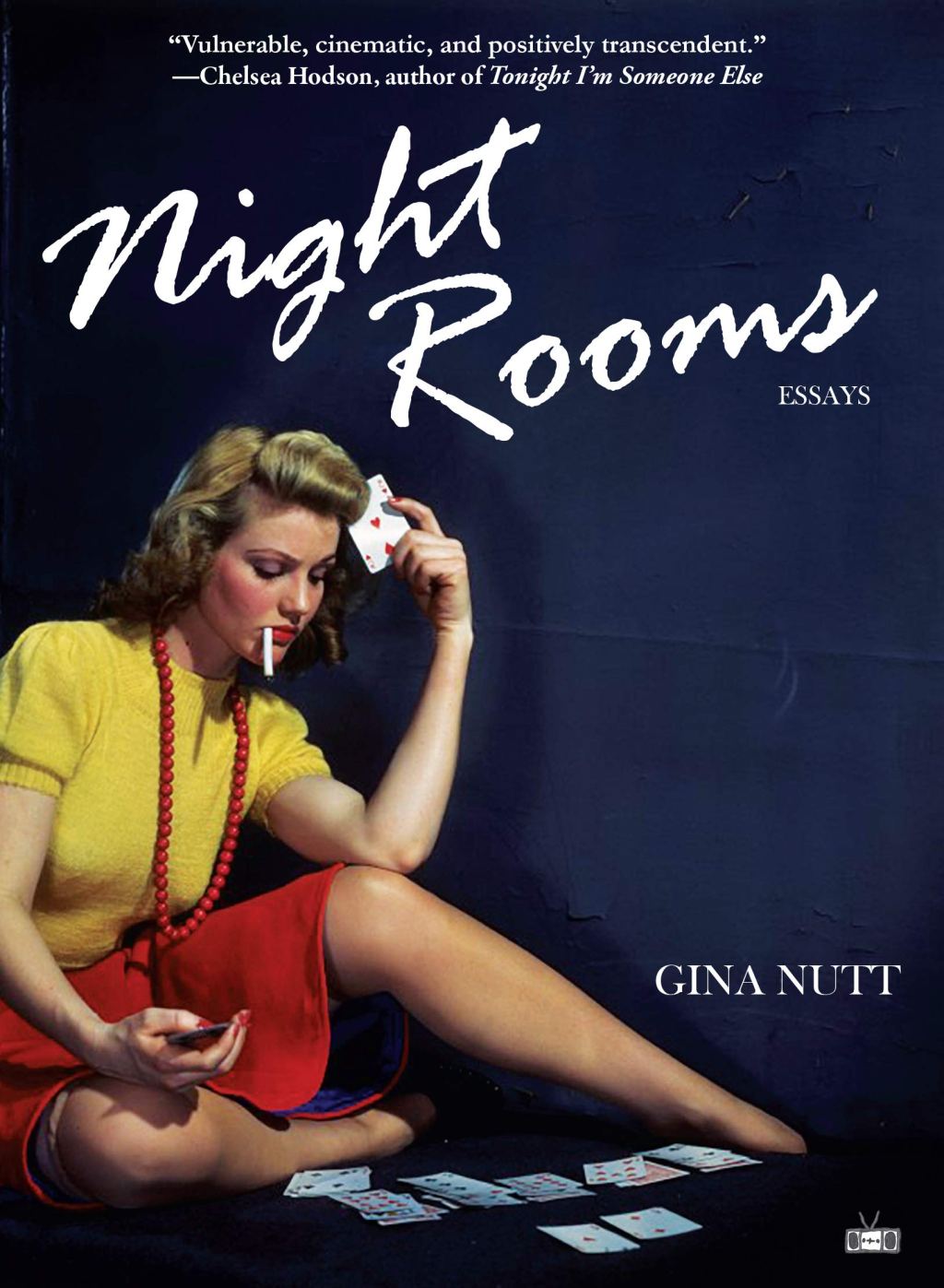
“Heavy Feeling”: A Review of Gina Nutt’s Night Rooms by Ben Lewellyn-Taylor
“Sometimes the unseen is more terrifying than what’s in view,” writes Gina Nutt. In a horror film, the camera passes over empty rooms, training the audience to look for what may or may not be there. Almost scarier than the figure that appears is the one that doesn’t, the feeling of dread left unfulfilled by…
-
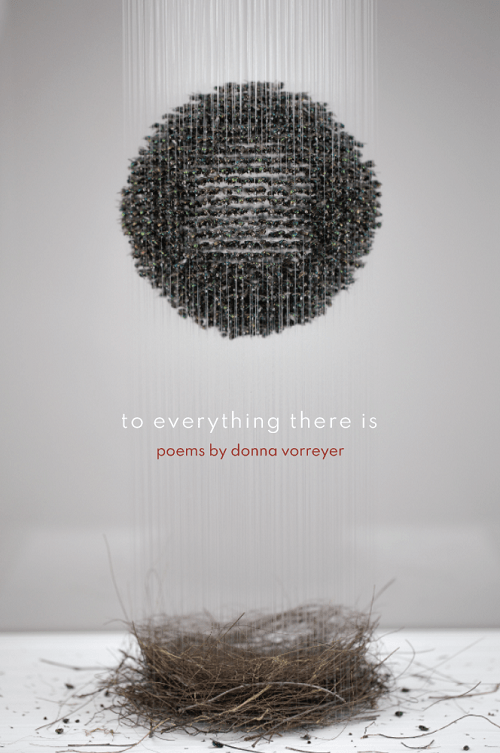
“The Echo Lasts and Lasts”: Loss and Renewal in Donna Vorreyer’s To Everything There Is, reviewed by Amy Strauss Friedman
To Everything There Is, the title of Donna Vorreyer’s new book of poetry, immediately brings to mind the bible verse from Ecclesiastes and the Pete Seeger song “Turn! Turn! Turn!” Everything has its season we’re told, and we know this to be true. A time for everything under heaven. What it doesn’t suggest, however, is…

