
Category: Reviews & Criticism
-

Peter Valente: “Notes on John Wieners’ ‘A Poem for Painters’” (Selected Poems 1958-1984), written after reading Bill Berkson’s Sudden Address
In “A Poem for Painters,” John Wieners writes: Paul Klee scratched for seven yearson smoked glass, to develophis line, LaVigne says, lookat his face! He who has spentall night drawing mine. In his diary of 1906, Klee wrote about his “reverse glass paintings,”: “Besides, I moved with the utmost zeal on the smoothest surface, on…
-
![Becca Yenser on Reading Brian Phillip Whalen’s Semiotic Love [Stories]](https://heavyfeatherreview.org/wp-content/uploads/2021/04/whalen_semioticlove-cover-publicity.jpg?w=500)
Becca Yenser on Reading Brian Phillip Whalen’s Semiotic Love [Stories]
“We tell ourselves stories in order to live.” So writes Joan Didion in her book, The White Album. That statement holds true for Semiotic Love [Stories], in which Brian Phillip Whalen meticulously records his losses like a man trying to save his life. In a series of vignettes, Whalen transmits signals of grief like a…
-

“the company of everything”: Sarah D’Stair Reviews Cemetery Ink by Mihaela Moscaliuc
Elemental. That’s how this book feels. Each new verse, sound, phrase, and image seems foundational, building a life, then living and breathing in it. Mihaela Moscaliuc’s Cemetery Ink excavates the historical and the quotidian in equal measure—the dignities and indignities housed in single bodies; motherhood and its cruel complicities; the visions, loves, terrors, intimacies, and…
-

Justin Sun Reviews prepoems in postpanish and other poems by Jorgenrique Adoum, translated by Katherine M. Hedeen & Victor Rodríguez Núñez
On the home page of jorgenriqueadoum.com, there is a rotating carousel of pictures. Jorgenrique Adoum lighting a cigar, Jorgenrique Adoum smiling. Printed across these pictures are three quotes: one of Adoum’s shorter poems in its entirety and excerpts from two others. Which strikes me now as ironic. Since, as I made my way through Katherine…
-

Nemerov’s Door, an essay collection by Robert Wrigley, reviewed by Francesca Moroney
I’ve come to contemporary poetry late in my life. Just a few years shy of half a decade, I began to study its craft—both as a reader and as a writer. I was first introduced to the brilliance of Robert Wrigley’s work through his poem “Ode to My Boots,” from Anatomy of Melancholy and Other…
-

And So Wax Was Made & Also Honey, a poetry collection by Amy Beeder, reviewed by David Epstein
When Polish-born Joseph Conrad was asked why he wrote in English, he said “Because Flaubert was already writing in French.” That’s the risk you’ll take reading Amy Beeder’s And So Wax Was Made & Also Honey: that you’ll want to find another language to write in because there’s no way you can possibly compete with…
-
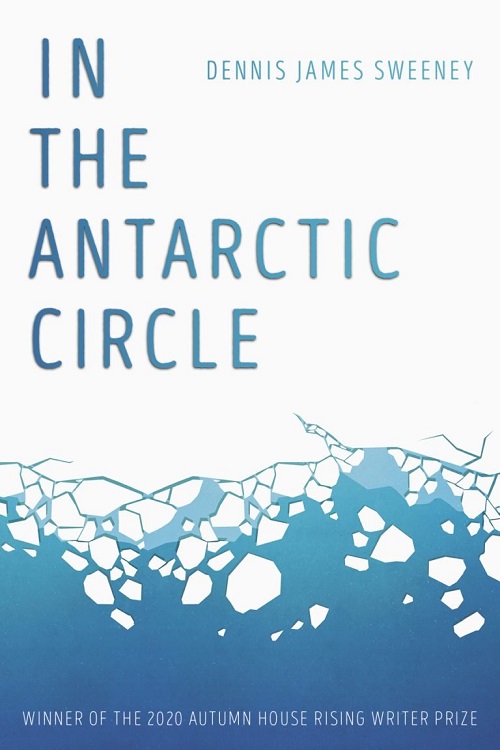
In the Antarctic Circle, prose poems by Dennis James Sweeney, reviewed by Marin Killen
Dennis James Sweeney’s writing in In the Antarctic Circle (described as “hybrid narrative prose poems” by Autumn House Press) makes stillness, silence, and formlessness visible. Whiteness is both the inviting emptiness of a blank page waiting to be marked, and the terror of an unmappable landscape. The narrator and their only companion, Hank, stagger through…
-
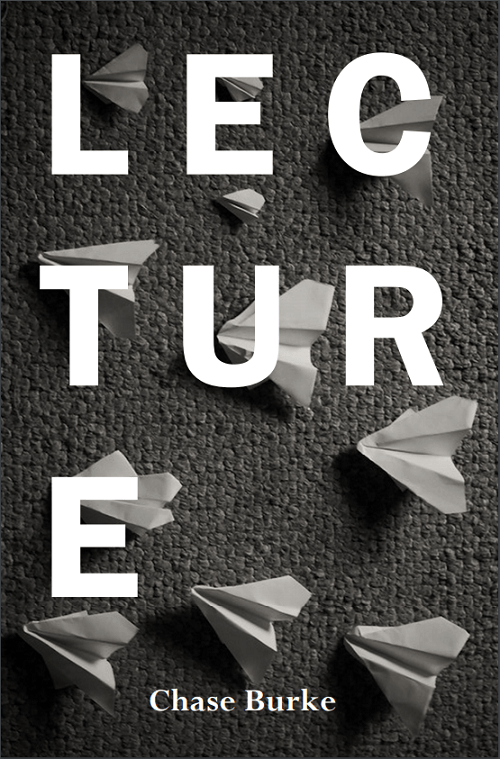
Saturday Morning Chapbook: Chase Burke’s Lecture (Paper Nautilus) reviewed by Nick Almeida
Chase Burke’s stunning chapbook Lecture (Paper Nautilus Press) is filled with tumbledown geniuses. Armor is a recurrent image, and penmanship hurts. These narrators are, as you perhaps guessed, vulnerable in the way a good teacher might be. Okay, good may be the wrong word. These are the swept-up sort of lecturers, their pockets filled with…
-
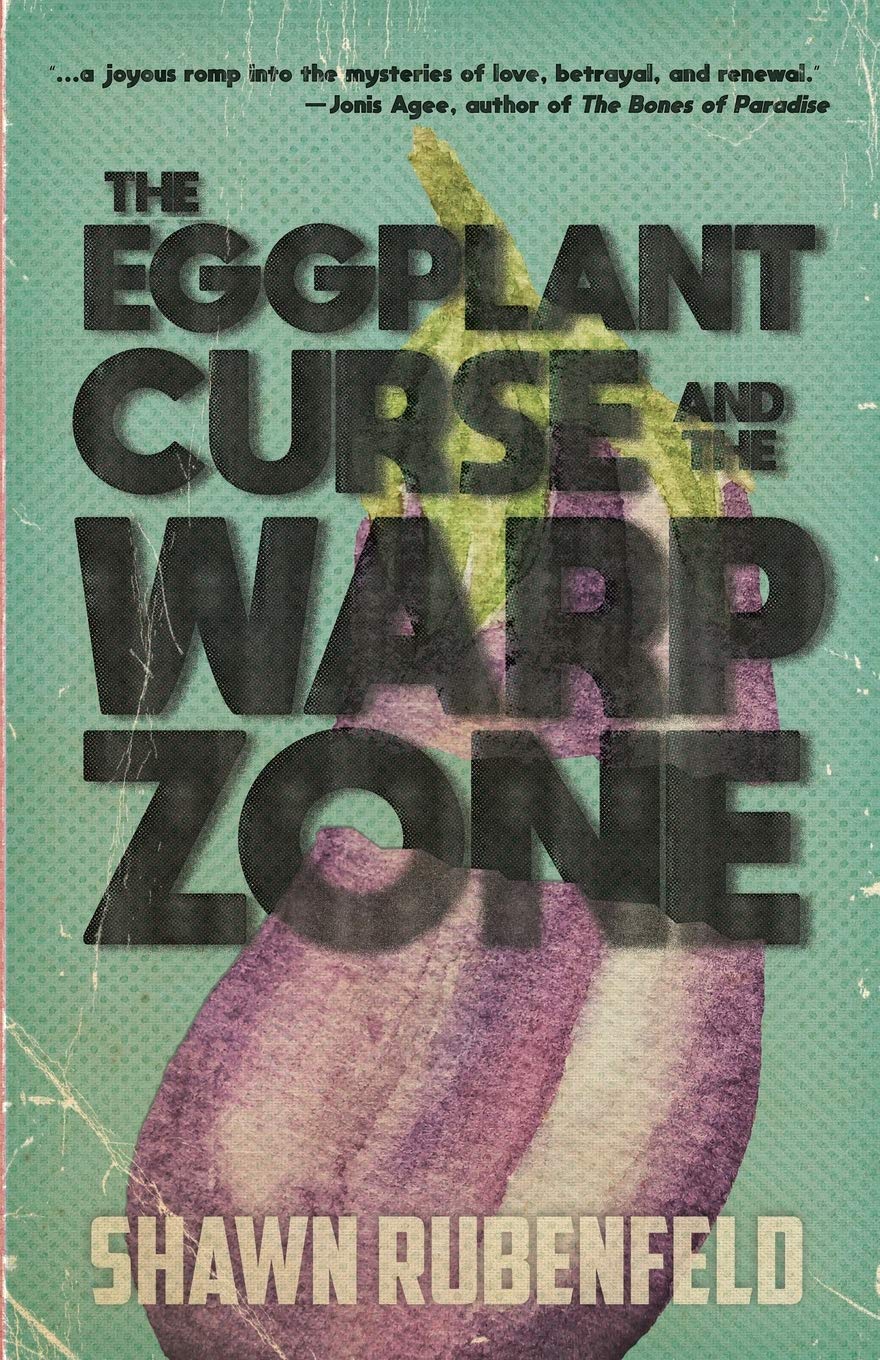
“What’s Missing?”: Benjamin Kinney on the Quest for Identity in Shawn Rubenfeld’s The Eggplant Curse and the Warp Zone
Joshua Schulman is a modern-day Pac-Man: powering his way through a path he cannot predict, all while being haunted by ghosts of his past. At the beginning of Shawn Rubenfeld’s The Eggplant Curse and the Warp Zone, Joshua is collecting more retro video games than he will ever be able to play; thinking about his…

