
Category: Reviews & Criticism
-
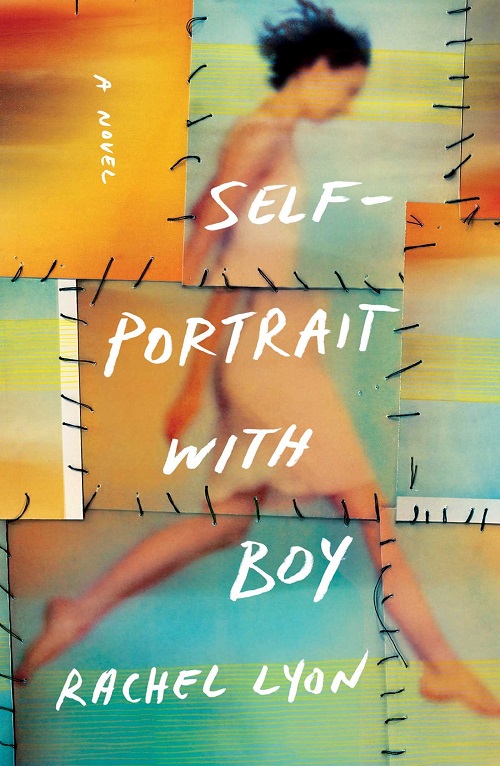
“Portrait of Desperation”: Paige M. Ferro on Rachel Lyon’s Novel Self-Portrait with Boy
David Foster Wallace once said, “Art should comfort the disturbed and disturb the comfortable.” Art in all its forms serves to disrupt. Yet, there stands a difference between the grotesque and the garish, the disturbing and the obscene, art and invasion. This is the premise to Rachel Lyon’s debut novel, Self-Portrait with Boy. The main…
-

“Eye of the Other,” an essay about Rachel Kushner’s The Flamethrowers by Toti O’Brien
Five years after its publication I have read Rachel Kushner’s second novel, The Flamethrowers1. My intention isn’t to comment on the book—excellent reviewers have done it—but to share my reflections about a small section, a fragment that I find remarkably strange and worthy of attention. It begins on page 317 to culminate on 320. Seen…
-
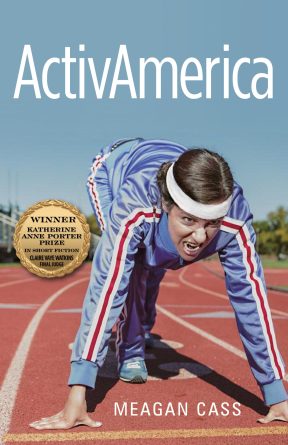
ActivAmerica, a story collection by Meagan Cass, reviewed by Ryan Werner
I’m a bad loser and an even worse winner. My wife won’t go mini-golfing with me. I’ve slammed bar stools against pinball machines. I’ve rage-quit every video game after two weeks of playing and then never looked back. It’s with this attitude I approach sports stories. Somebody’s going home a fucking loser, which is a…
-
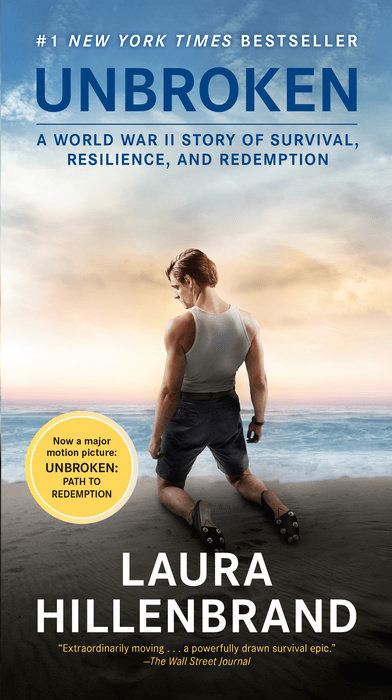
Unbroken, an incredibly true WWII story by Laura Hillenbrand, reviewed by Samantha Seto
Laura Hillenbrand’s story is a narrative history that reflects the American experience during World War II and the cruelty of the Japanese. While the body counts mount in the middle east in countries like Afghanistan and Iraq in a military tally, the war is wrenching, tragic, and poignant as it quietly proceeds. Every day more…
-
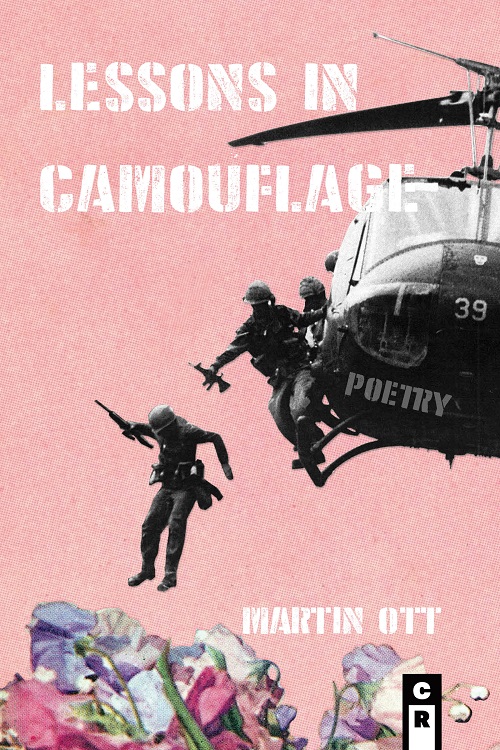
Lessons in Camouflage, a poetry collection by Martin Ott, reviewed by Micah Zevin
Can we ever leave war behind and not remember its images, its roles, and deaths, or will it forever follow us? What goes missing and what will ever be recovered? When we exit the battlefield, there are other fights to be fought, whether of the mind or the body, or other seemingly mundane life tasks…
-
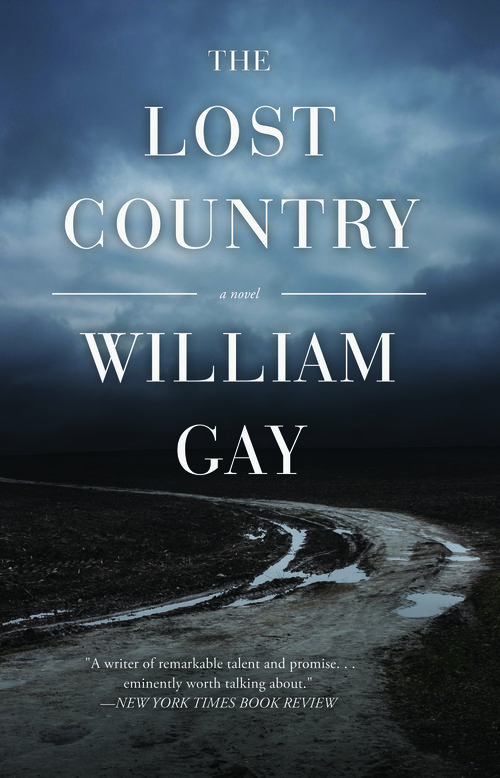
The Lost Country, a posthumous novel by William Gay, reviewed by Michael A. Ferro
One cannot help but wonder what the world of southern gothic literature might be like had William Gay published earlier in life. Much like Faulkner, McCarthy, and O’Connor, Gay was a master of the bleak and the beautiful, able to break your heart in one sentence and cut it out and toss it on a…
-
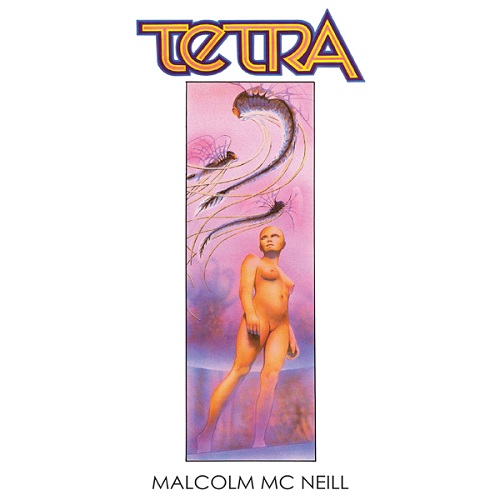
“As Per Instruction”: Tetra, a graphic novel by Malcom Mc Neill, reviewed by Zachary Vaudo
Brilliant worlds and creatures, subversive metaplot, meticulously crafted art. Tetra is at once a product of its time and ahead of its time. Created by Malcolm Mc Neill, Tetra is a fantastical sci-fi journey through space and dimension. Opening with a look into the past, Mc Neill’s introductory essay details his interactions and collaborations with…
-

“The True Story of William T. Vollmann’s Research Assistant,” an essay by Jordan A. Rothacker, William T. Vollmann’s Reasearch Assistant for Carbon Ideologies
Trust me, I know I’m lucky. Once upon a time, I was a college kid in the Nineties reading William T. Vollmann, my mind blown with almost every sentence, and now he’s someone I call a dear friend. My child knows him as Uncle Bill. I also call him boss, as I had the honor…
-

Live from Medicine Park, a novel by Constance Squires, reviewed by Deidre Elizabeth Comstock
In the novel Live From Medicine Park, we follow Ray, a documentary filmmaker, and his latest project: Lena Wells. Ray travels to Oklahoma, close to the town of Lawton, in order to record Lena Wells’ comeback concert in a “where are they now” like narrative. Ray works to unfold the mysteries surrounding Lena’s previous musical…
 Heavy Feather Review