
Category: Reviews & Criticism
-
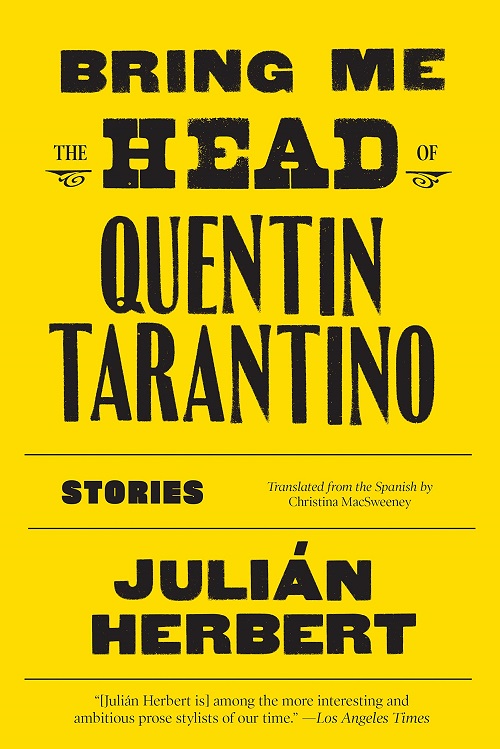
Bring Me the Head of Quentin Tarantino, a new collection of short stories by Julián Herbert, reviewed by Jesi Buell (Graywolf Press)
I first became aware of Mexican author Julián Herbert when Graywolf published Christina MacSweeney’s translation of his novel Tomb Songs in 2018. Having really enjoyed that work, I was excited for the opportunity to review this trio’s most recent project, Herbert’s Bring Me the Head of Quentin Tarantino. And, I have to admit, after spending…
-
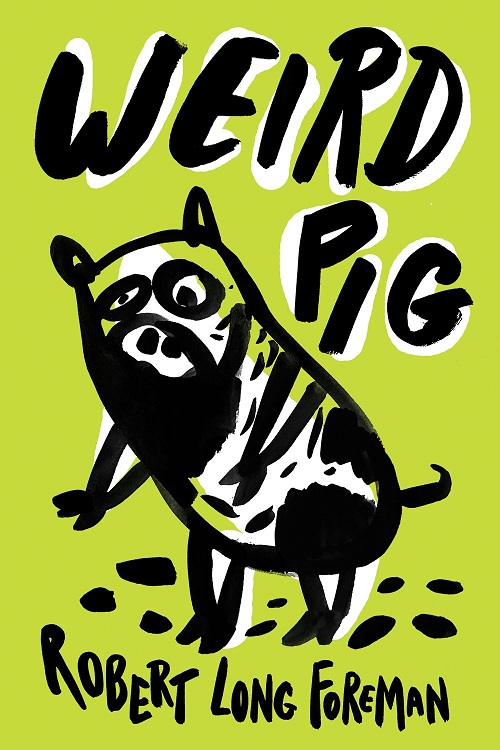
Weird Pig, a novel by Robert Long Foreman, reviewed by Christina Ghent
Have you ever met pig that is able to talk? How about one that is able to walk upright on two legs? Or how about a pig who is unable to control his urges to steal cars, drink beer, and commit murder? Weird Pig is able to do all of that and more. In fact,…
-
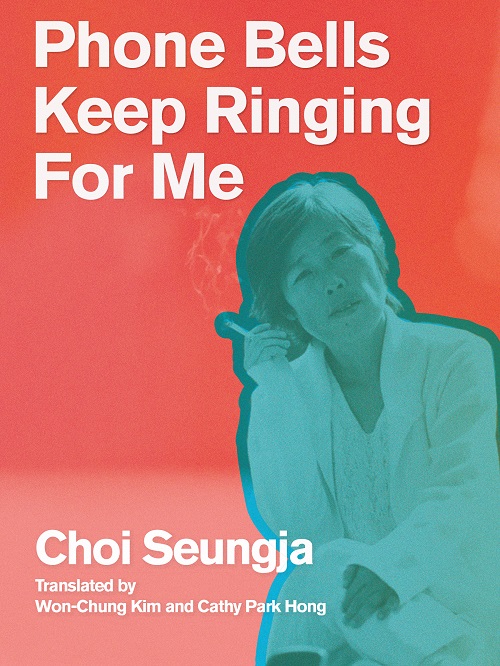
“Chthonic Poetics”: Mike Corrao on Choi Seungja’s Action Books poetry collection Phone Bells Keep Ringing for Me
In her new book, Phone Bells Keep Ringing for Me, Choi Seungja (translated by Won-Chung Kim & Cathy Park Hong) expresses a poetry of the isolated and overgrown—orated alone in a small house in the wilderness, staring out at the horizon of a post-climate apocalypse. The poems of this new collection fester. Often depicting images…
-

Peter Valente Review: Memory, a Siglio Press book by Bernadette Mayer
1. Bernadette Mayer’s Memory contains around 1100 photographs, along with 31 poetic journal entries. Each day for the month of July 1971, Mayer would take photographs, using up a roll of film, and write in her journal: “take pictures for a week, say, then put them away don’t even show them around for a year…
-
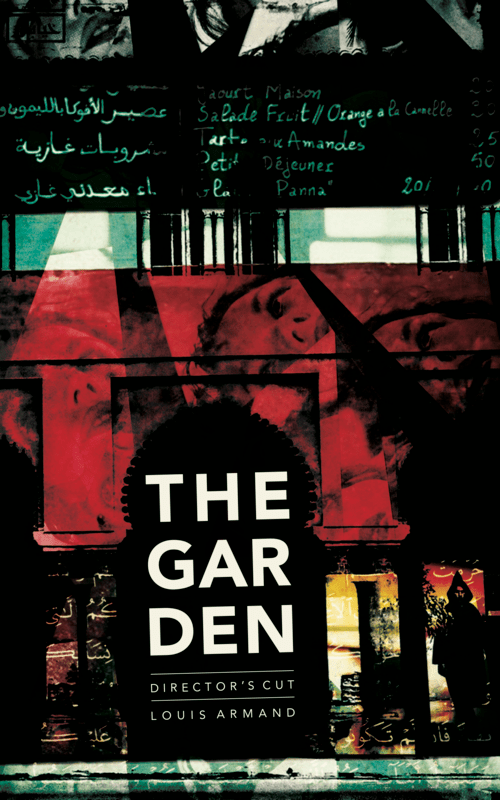
Lost in The Garden (Director’s Cut) by Louis Armand, an 11:11 Press novel reissue, reviewed by Jordan A. Rothacker
Might we partake in hashish and focus a high and light mind on this text that rolls unencumbered of final punctuation for 156 pages we would be as magically transported as if reading while sober: The Garden by Louis Armand is that good. Circling back (as the narrative itself does), it is still important to…
-
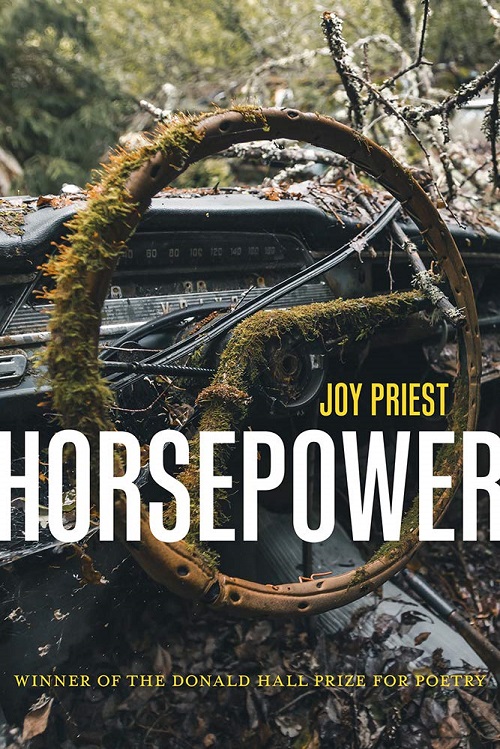
Horsepower, a University of Pittsburgh Press poetry collection by Joy Priest, reviewed by Esteban Rodríguez
Every state carries with it certain perceptions that often gloss over the nuances of what it has to offer. Coming from Texas, the stereotypes range anywhere from wearing boots, riding horses, to the expectation that everything must be larger. Kentucky undoubtedly has its share of generalizations, but when you encounter a poet like Joy Priest,…
-
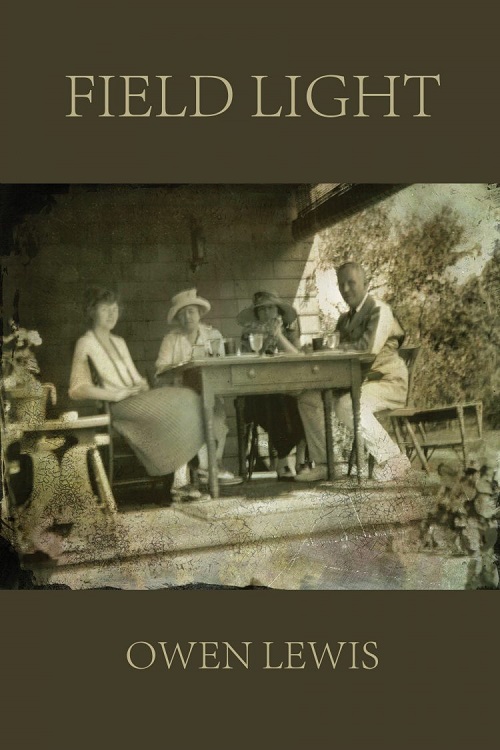
Field Light, Owen Lewis’ epic proem from Dos Madres, reviewed by Colin Harrington
Field Light, by Owen Lewis, is a richly captivating collection of prose and poetry that is inspired by the aura of a creative, humanistic, and well-storied past of literature, sociology, psychoanalysis, music, and culture that defines the Berkshires of western Massachusetts. The poetry plays out in an intense narrative reverberating from the quiet isolation of…
-
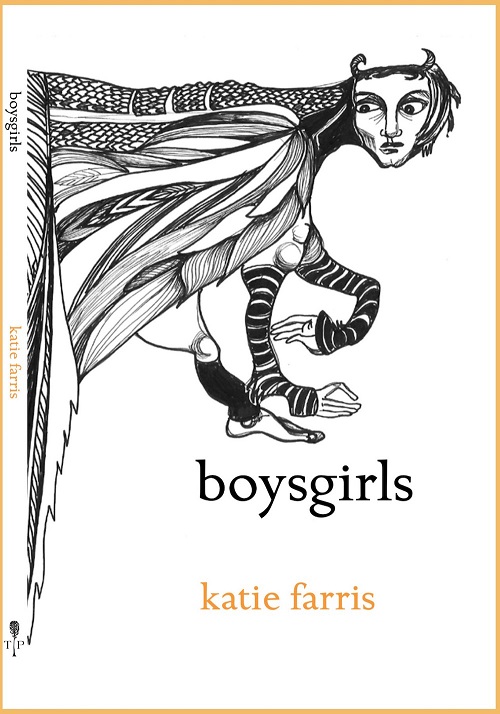
boysgirls, Katie Farris’ hybrid prose text from Tupelo Press, reviewed by Cheryl Weaver-Amenta
For such a small book, boysgirls by Katie Farris is intimidating. It dares us into a world of multiplicities bookended in desire, featuring creations that shift with such frequency as to destabilize any bodily manifestations one thinks have become tangible. Language is a means to create and destroy, and Farris challenges her readers in an…
-
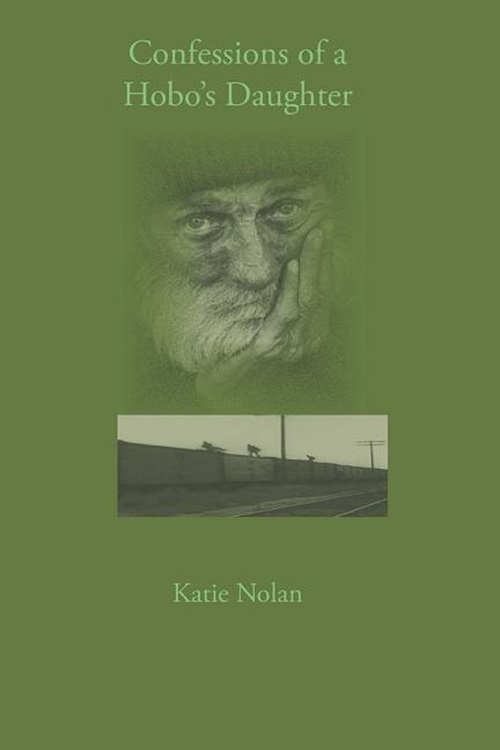
“Two Wanderers in America”: Katie Nolan’s memoir Confessions of a Hobo’s Daughter, reviewed by Dave Karp
Confessions of a Hobo’s Daughter, a strikingly singular dual memoir about a retired philosophy professor and her Depression-era, rail-riding hobo father, begins with a secret, one that darkens the father’s future life and that overshadows his daughter’s life as well. That secret drives the dual narrative. There is the father, Bud, narrating his impoverished hobo…
 Heavy Feather Review