
Category: Reviews & Criticism
-

“Secret Rewards” Craft Essay: Jolene McIlwain on Writing PTSD in Fiction
You don’t want to think it’s your heart. You want to think it’s a pulled muscle, pinched nerve, or bad posture because you’ve always forgotten and slouched. But you agree to the stress test because if it is your heart, this is an early find. You’re only forty-seven. There’s time to repair. It’s been happening…
-
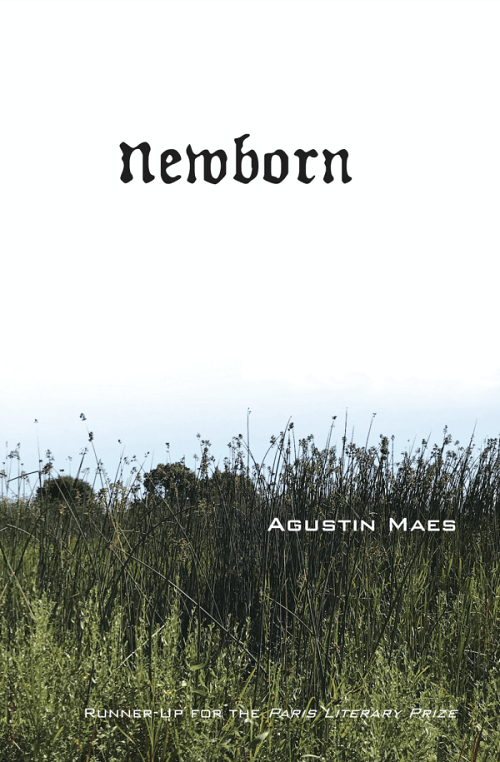
Fiction Review: Dave Fitzgerald Reads Agustin Maes’ Newborn
“It’s about a dead baby.” This is what author Agustin Maes will reliably answer if you ask him about his book Newborn. Soft-spoken, and humble nearly to the point of bashfulness (this despite being a runner-up for the Paris Literary Prize his first time out the gate), he doesn’t always seem to grasp the weight…
-
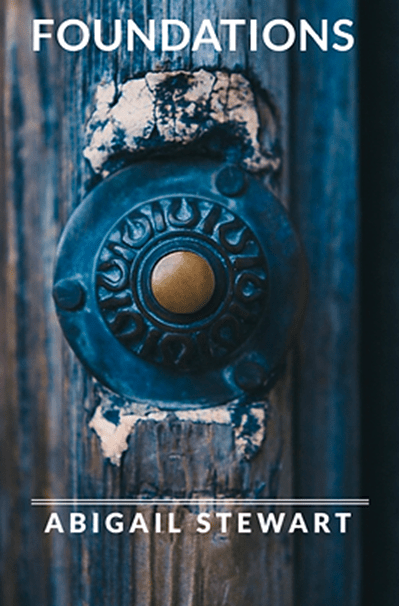
Foundations, a new novel by Abigail Stewart, reviewed by Hayli May Cox
In three dazzling parts, Abigail Stewart’s Foundations follows a trio of women across time, all of them connected by a single Dallas house. Bunny is a housewife who longs for genuine connection and friendship outside of the oppressive suburban life she’s found herself moored to. Jessica is an actress fleeing LA to find something else,…
-

This Rancid Mill, an Alex Damage novel by Kyle Decker, reviewed by Zachary Kocanda
The main character of Kyle Decker’s novel This Rancid Mill doesn’t fit the bill of a typical detective. Maybe it’s the three-inch-high blue mohawk. Or the Dead Kennedys patch on his leather jacket. Or the one-liners like: “It took me the span of a Dee Dee Ramone count-off to decide she was my kind of…
-
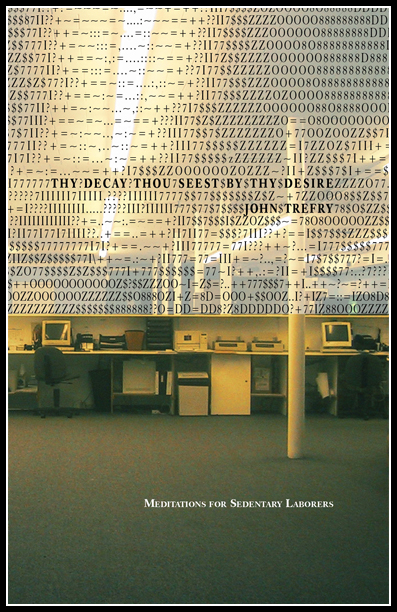
“Confetti Corrupted”: John Trefry’s 2015 fourth person, disincorporating text Thy Decay Thou Seest by Thy Desire, reviewed by Matthew Kinlin
Thy Decay Thou Seest by Thy Desire, a title both seductive and confounding, is the second work of John Trefry, released on Inside the Castle in 2015; the independent press he founded and named after Kafka’s final novel. Almost a decade later and the work demonstrates even more so, as described by writer Rachael de…
-
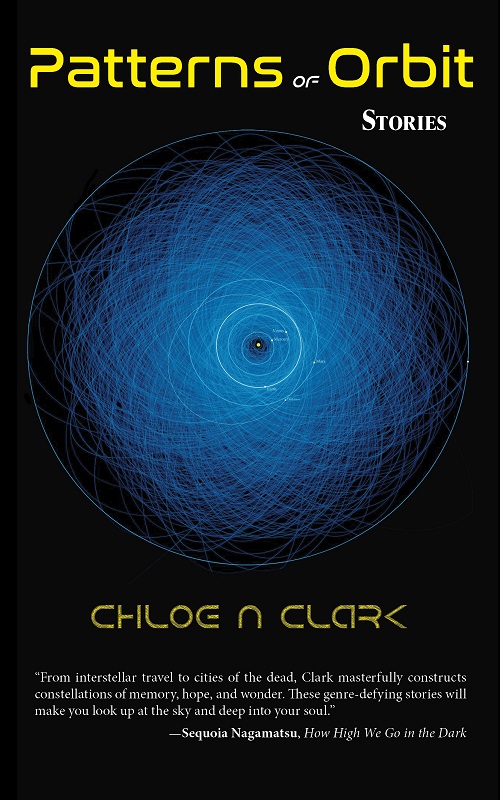
“Centers of Gravity in Chloe N. Clark’s Short Story Collection Patterns of Orbit”: A Book Review by Patrick Thomas Henry
In a letter frequently quoted in craft essays and books on the art of fiction, Anton Chekhov wrote that writers of short fiction should “[l]et two people be the center of gravity in your story: he and she.” Underlying this assertion is the prime directive that Chekhov issues to writers: in the private solar system…
-

“In the White American Light”: Amy K. Bell Reviews Barbara Tomash’s Poetry Collection Her Scant State
In her newest book, Her Scant State, poet and visual artist Barbara Tomash presents an erasure of Henry James’ The Portrait of a Lady which, through its inventive formal procedure, illuminates asyntactical, nonlinear, almost stray activations by which we gain meaning. Tomash lifts the voices, ideas, and violences which animated James’ 1881 novel in order…
-

Buffalo Girl, a new poetry collection by Jessica Q. Stark, reviewed by Raye Hendrix
Jessica Q. Stark’s newest collection of poems, Buffalo Girl, is a fairytale—but not the kind that makes you feel good in the end. That isn’t to say this collection is not wonderful (it is) but Stark’s pseudo-mythological reckoning with violence, racism, motherhood, and questions of home aren’t meant to comfort. These are not the fables…
-
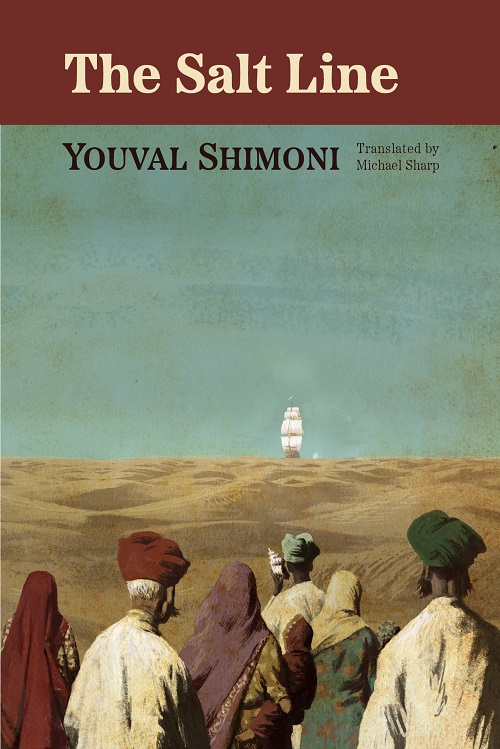
The Salt Line, a 2014 novel by Youval Shimoni, reviewed by Yaron Peleg
Youval Shimoni’s 2014 novel, The Salt Line, presents us with an intriguing literary paradox: a story about myths that questions the search for meaningful stories, and an epic novel written in a postmodern age of perishable texts and shortening attention span. Two myths stand at the center of the novel, one fabricated the other implied.…
 Heavy Feather Review