
Category: Reviews & Criticism
-

Juventud, a novel by Vanessa Blakeslee, reviewed by Leland Cheuk
Juventud is Spanish for “youth,” which is what is at stake for Mercedes Martinez, the fifteen-year-old in Vanessa Blakelee’s earnest and evocative first novel. Juventud is set mostly on a hacienda in Santiago de Cali, Colombia, where camping near the gates are desplazados (rural, indigenous people forced to abandon their homes due to the decades-long…
-
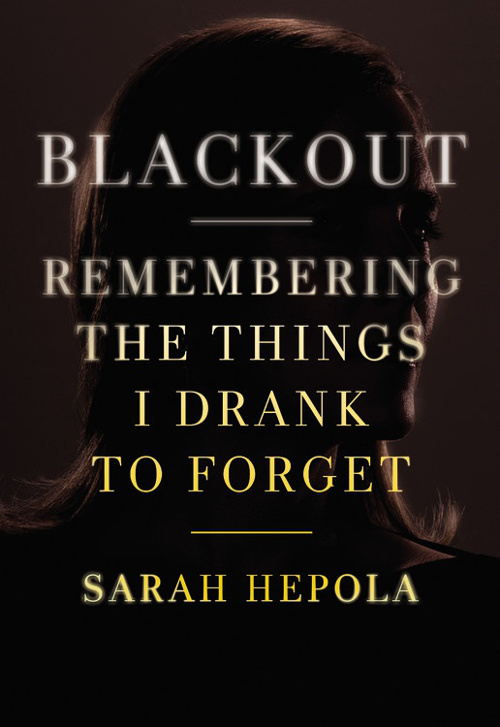
Blackout, nonfiction by Sarah Hepola, reviewed by Erin Flanagan
Blackout follows Sarah Hepola’s life as a drinker, starting with sips in grade school and progressing through her first drunk in junior high, which was followed by many, many more in high school, college, and beyond. This well-written and engaging memoir will appeal to all readers of nonfiction, particularly those interested in addiction narratives, and…
-

Fiction Review: Rebekah Bergman on No Moon by Julie Reverb
We begin No Moon with a paragraph-long chapter. There is no end punctuation. “I will say this only twice,” we are told in the opening line. And in fact, it is already the second time we’ve read this: that line is also the chapter’s title. And so, Reverb’s spiraling, lyric prose takes off, facing us backward as…
-
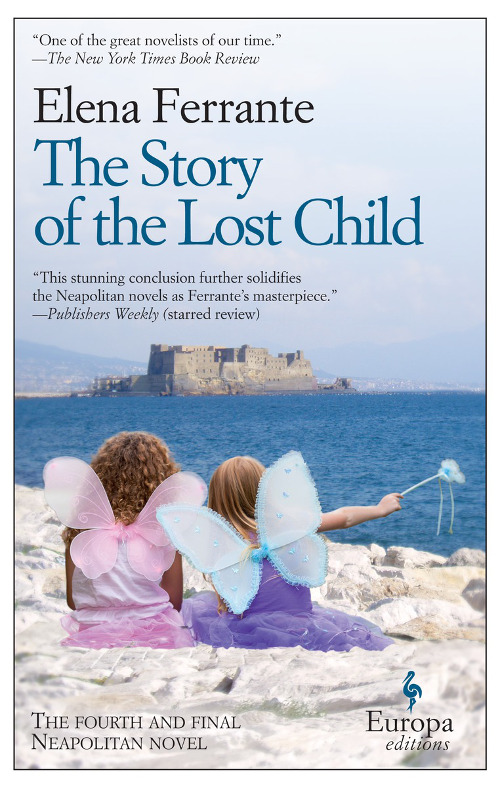
“Tell Us What Turn Your Life Took”: Linda Michel-Cassidy on The Story of the Lost Child by Elena Ferrante
The Story of the Lost Child is the fourth and final installation in Elena Ferrante’s Neapolitan novel series. The first book, My Brilliant Friend, begins with the school-aged narrator, Elena, finding herself drawn to the academic life despite her family’s limited resources and lack of encouragement. This segment includes the history the Naples neighborhood where…
-
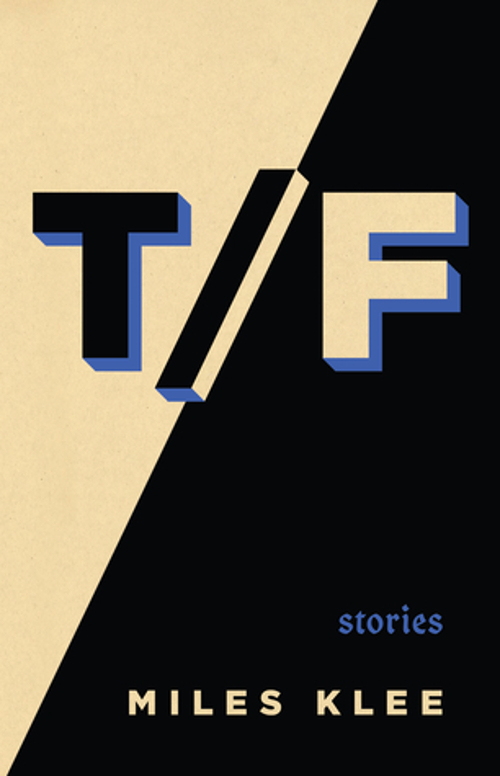
Fiction Review: Ryan Werner Reads True False by Miles Klee
Whereas some writers try out different voices, Miles Klee tries out different worlds. In True False, ghosts come alive, men walk on walls, and love is just a project for the Department of Methods, but the voice is persistent, sometimes to a fault: an intelligent destruction and self-aware deductivity of and with language, all at…
-

Poetry Review: Luis Neer Reads Nervous Universe by Kate Monica
1. At the end of March, I was in Charleston, West Virginia, with my high school theater troupe for the State Thespian Competition. It was raining. My best friend Jordan, a burly, bear-shaped senior, was having legitimate relationship issues. He had just been on the phone arguing with his girlfriend for several hours, they were…
-

The Glacier, a cinematic novel by Jeff Wood, reviewed by Nick Sweeney
The blend between novels and other mediums is not new. Prose poems, poetic novels, fictional histories … there is constant flux to reach the boundaries of the novel, to escape and run rampant in the minds of their readers. Jeff Wood’s The Glacier continues, and in many ways builds off, that tradition by recreating the…
-

Poetry Review: Thomas Cook on Confidence by Seth Landman
Confidence is divided into three roughly equal sections, each of which comprises a single long poem, each long poem comprising a few dozen long stanzas comprised of short lines, no more than a beat or two and without punctuation. The book’s lyric moves, therefore, at the pace of the speaker’s one-to-two-beat flitting thoughts, formally reflecting…
-

Poetry Review: Jacob Collins-Wilson Reads Women in Public by Elaine Kahn
Women in Public, by Elaine Kahn, is a book that pairs well-crafted poetry with sucker-punch direct statements. Think surrealism but instead of image juxtaposed with image, it’s image juxtaposed with concept/idea/point. It’s an interesting pair, one that follows, in concept, surrealism, but ultimately does the opposite because surrealism never tries to make a point aside…
 Heavy Feather Review