
Category: Reviews & Criticism
-
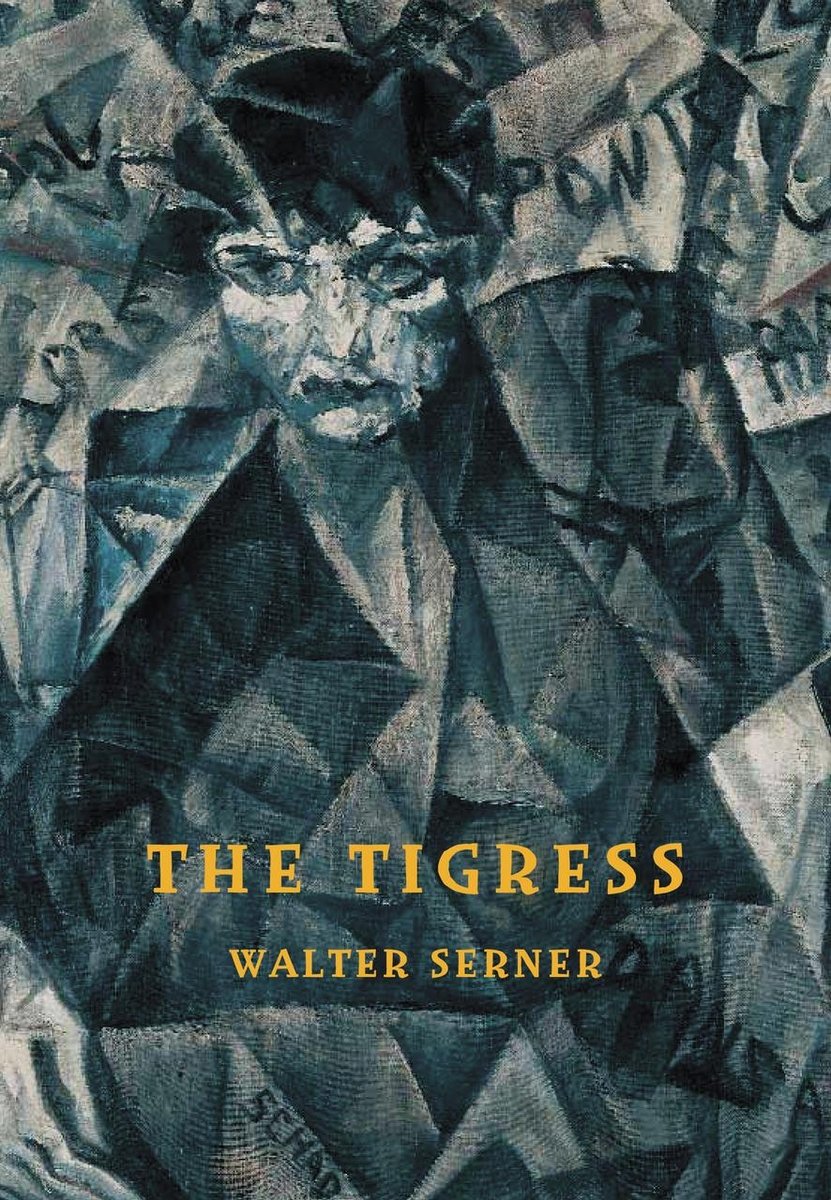
Fiction Review: Ria Dhull Reads Walter Serner’s Curious Love Story The Tigress
Some years after Walter Serner helped bring Dadaism to Zurich, he broke away from the movement. The Tigress, perhaps Serner’s most famous work, emerged in the period after Serner’s detachment from the art world, and like much of Serner’s other writing, takes place in seedy underworlds—the characters that entice him are criminals and conmen. Serner’s…
-
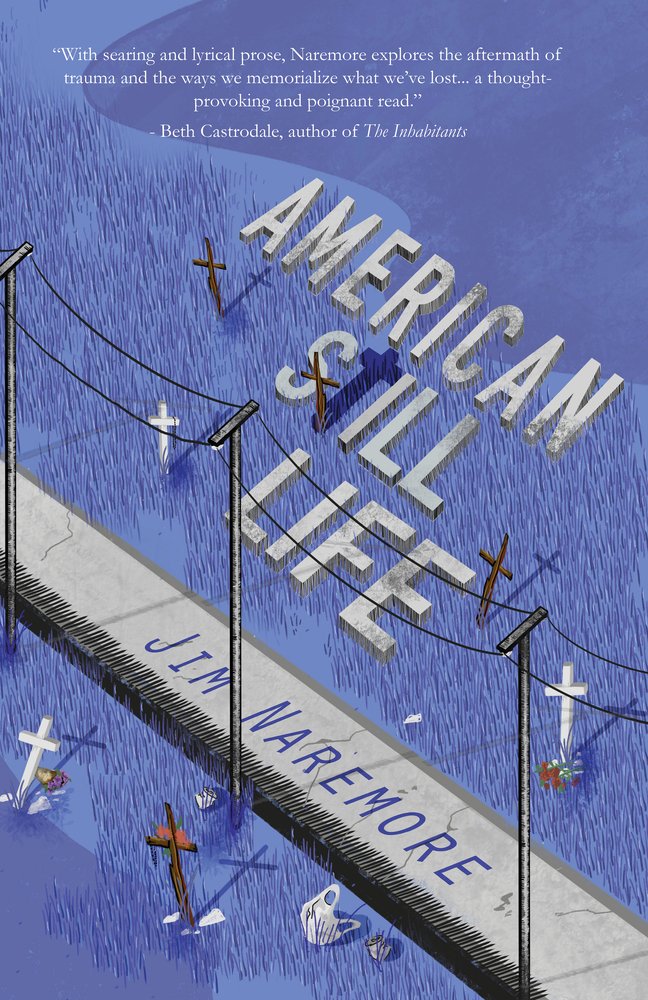
Fiction Review: Gabrielle Stecher Woodward Reads Jim Naremore’s Novel American Still Life
A pair of Nike high-tops, a stuffed rabbit, a vinyl suitcase, a laminated graduation photo framed with dried marigolds: these common yet intimate relics are the defining features of descansos. These roadside memorials created on the occasion of someone’s tragic and untimely death are the subject of photojournalist Skade Felsdottir’s big break. As “one of…
-
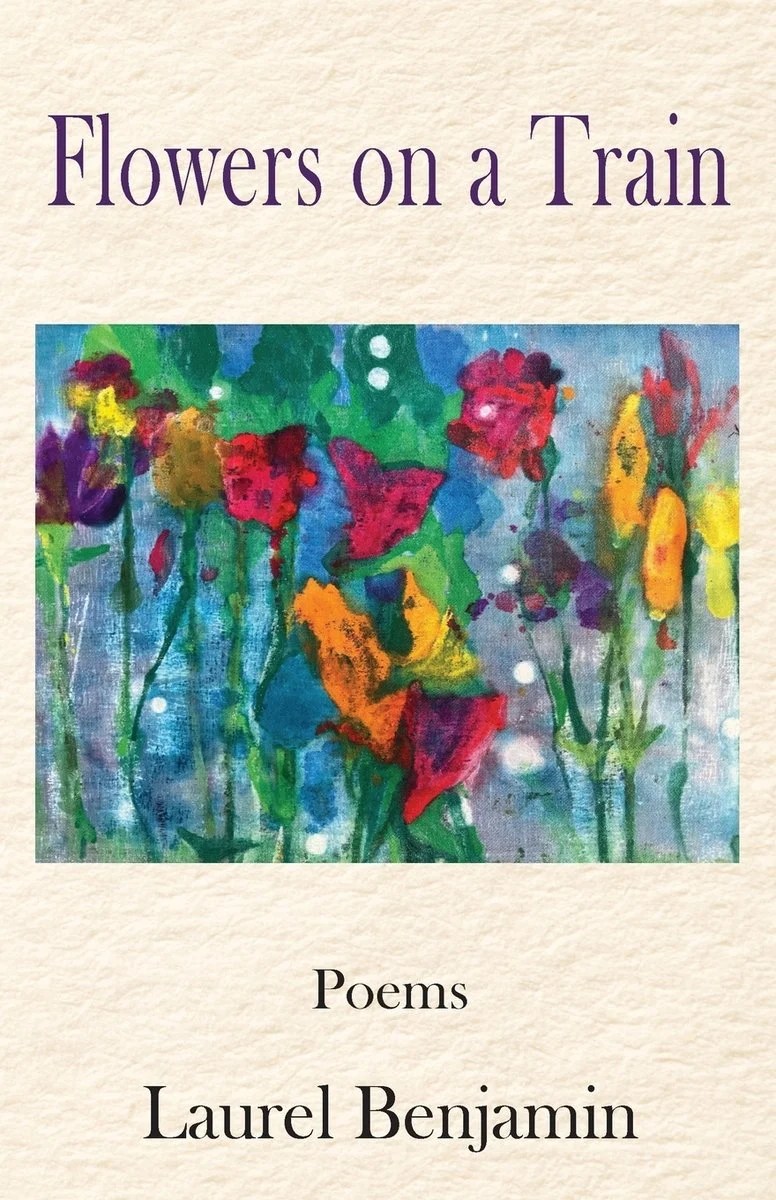
Poetry Review: Sandra Fees Reads Laurel Benjamin’s Debut Collection Flowers on a Train
In her debut poetry collection, Flowers on a Train, Laurel Benjamin reminds us of what’s possible if we are willing to revisit broken relationships and allow something else to blossom in their place. As the collection’s title suggests, nature permeates these pages. While we might be tempted to assume these will be nature poems, they…
-
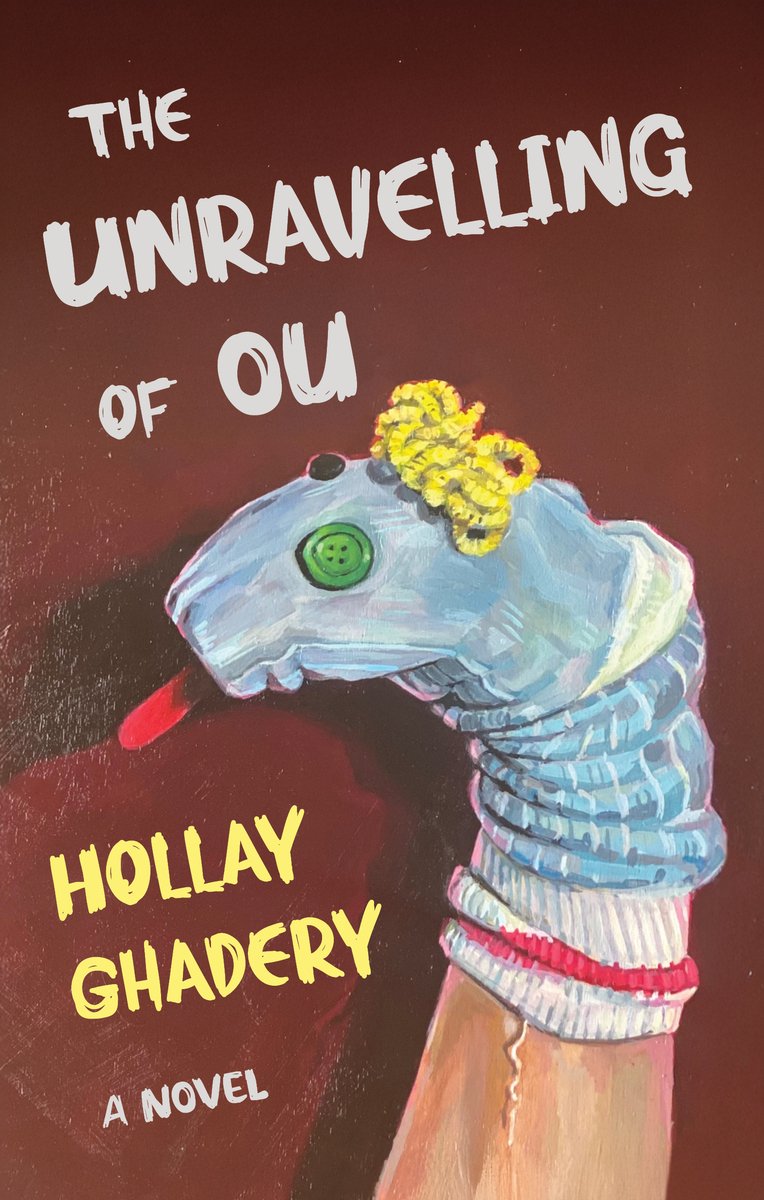
Fiction Review: Kevin McMahon Reads Hollay Ghadery’s Debut Novel The Unravelling of Ou
In her debut novel, Hollay Ghadery blends a refreshingly unique premise with a natural gift for voice, delivery, and cutting straight and deep, deftly exploring the roots of grief and pain, internalized shame, isolation, and self-disregard. In tracing these headwaters, she reveals how we make it all bearable, somehow. And more importantly, what the elusive…
-
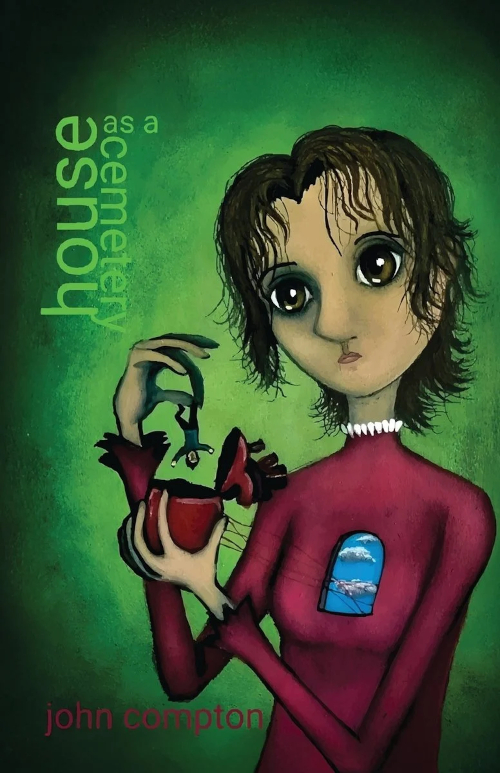
Poetry Review: Scott Ferry Reads john compton’s Collection house as a cemetery
In john compton’s book house as a cemetery we find a feast of sound, of image, of dream-states that blur in and out of place and time. As with all of compton’s poetry, we are immediately in the ether, there are no strings holding the puppets, there are no intermediaries between the void and the…
-

Poetry Review: Dawn Macdonald Reads Gary Jackson’s New Collection small lives
Way back in the 2010s, being interviewed by Emilia Phillips over at 32 Poems about his Graywolf Press collection Missing You, Metropolis, Gary Jackson had this to offer on the topic of superhero comics: “… I wouldn’t say comics are the equivalent of my whole life (my ten-year-old self would feel betrayed); they just serve…
-

New Essay: “In Praise of Obscurity” by Thomas B
“I’m nobody! Who are you?” —Emily Dickinson I. Invocation: Lost Names “No, my name is lost.” So says Edgar in Act V of King Lear, a man dismantled by power and betrayal, speaking from the ruins of identity. Not a voluntary effacement but a forced disappearance. This is not the freedom of the nameless mystic;…
-
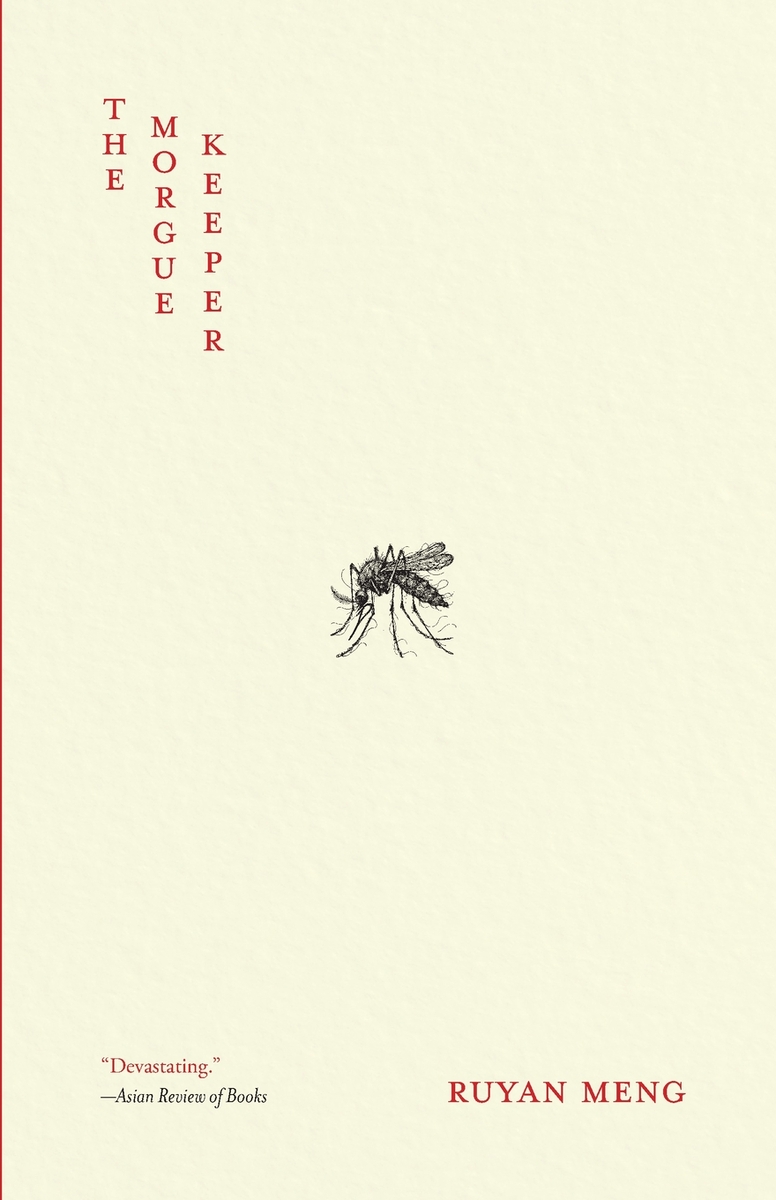
Fiction Review: Al Kratz Reads Ruyan Meng’s Novel The Morgue Keeper
Ruyan Meng’s The Morgue Keeper is an intense book, maybe more so than any book I’ve read since Cormac McCarthy’s The Road. Across 200 pages and 27 chapters, it tells the story of Qing Yuan, a morgue keeper trying to survive China’s Cultural Revolution in the summer of 1966. Essentially assigned to clean dead bodies…
-
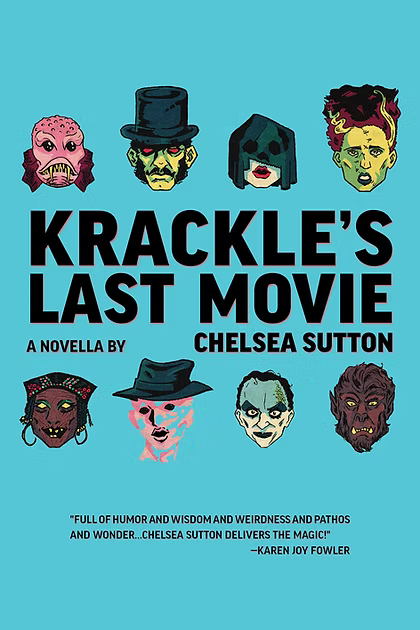
“In Search of Lost Monsters”: Adam M. Rosen Reads Chelsea Sutton’s Novella Krackle’s Last Movie
Being a documentary filmmaker is a bit like trying to play God. They must embark on an agonizing process of creation, sifting endlessly through old interviews, letters, journals, and other raw archival bric-a-brac, cutting and reassembling the disparate bits and pieces until they merge into a single coherent narrative. The reward is that, under the…
 Heavy Feather Review