
Category: l’Hôtel Dauphin
HFR got stuck. We’ve been called back to “l’Hôtel Dauphin,” booked an extended stay at the hotel from Haruki Murakami’s novels A Wild Sheep Chase and Dance Dance Dance. Room service can be reached by dialing )))0(((. Staying here are new guests with stories we haven’t read, all of us searching this section of Sapporo for the sheep with a star on its back. Send us capital W weird shit. Critical essays about Murakami’s work, liminality, travel, labyrinths, astral projection; stories that feature the Sheep Man, the Dolphin Hotel, let’s explore the dissociative spaces that fuel nightmares, fugue statues, and dreams.
-
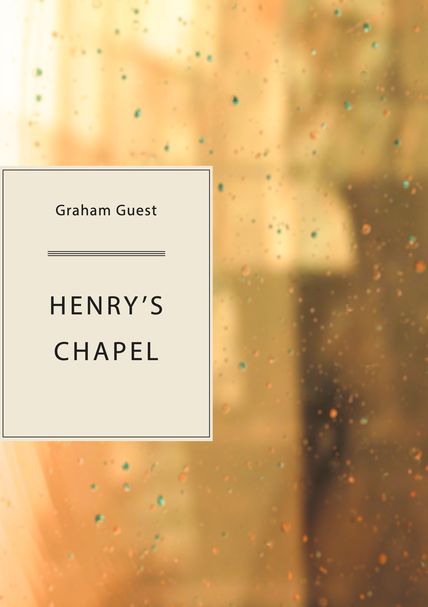
Henry’s Chapel, a novel by Graham Guest, reviewed by Christopher Lura
If we are to take Graham Guest’s new book Henry’s Chapel as a novel—and it is a novel, let’s be clear—it might be described like this: it is a story of a group of people—of a family, for lack of a better word—living off the grid somewhere in the backwoods of East Texas. There are children—Henry, an…
-
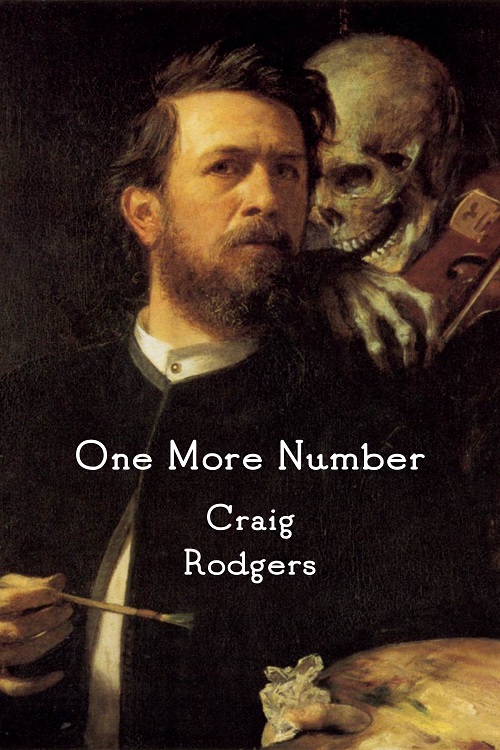
One More Number, six surreal stories by Craig Rodgers, reviewed by Alan ten-Hoeve
I first read Craig Rodgers’ stuff last spring when Death of Print resurrected his 2019 novel, The Ghost of Mile 43, from the ashes of Soft Cartel. The hopelessness and misanthropy of that book acted like a counter pressure to the pandemic malaise that had me wanting to sleep the rest of my days away.…
-

ANGEL HOUSE, a novel by David Leo Rice, reviewed by Dave Fitzgerald
ANGEL HOUSE is the kind of novel that will mean something different to everyone who reads it, and indeed, will likely mean something different to me if I read it again in a few years, and yet again if I read it a third time somewhere down the line (all distinct possibilities). Because of this, I’ll go ahead…
-

“To What End?”: Lorenzo Bartolucci on A Room in Dodge City, Vol. 2: The Blut Branson Era, a novel-in-vignettes by David Leo Rice
Why do you want to be a writer? It came up casually, over dinner, but I’ll never forget the way David Leo Rice paused (rather uncharacteristically) to consider a question he didn’t seem to have bothered with overmuch on his own—which may be the simplest definition of a vocation, after all. And I’ll never forget…
-
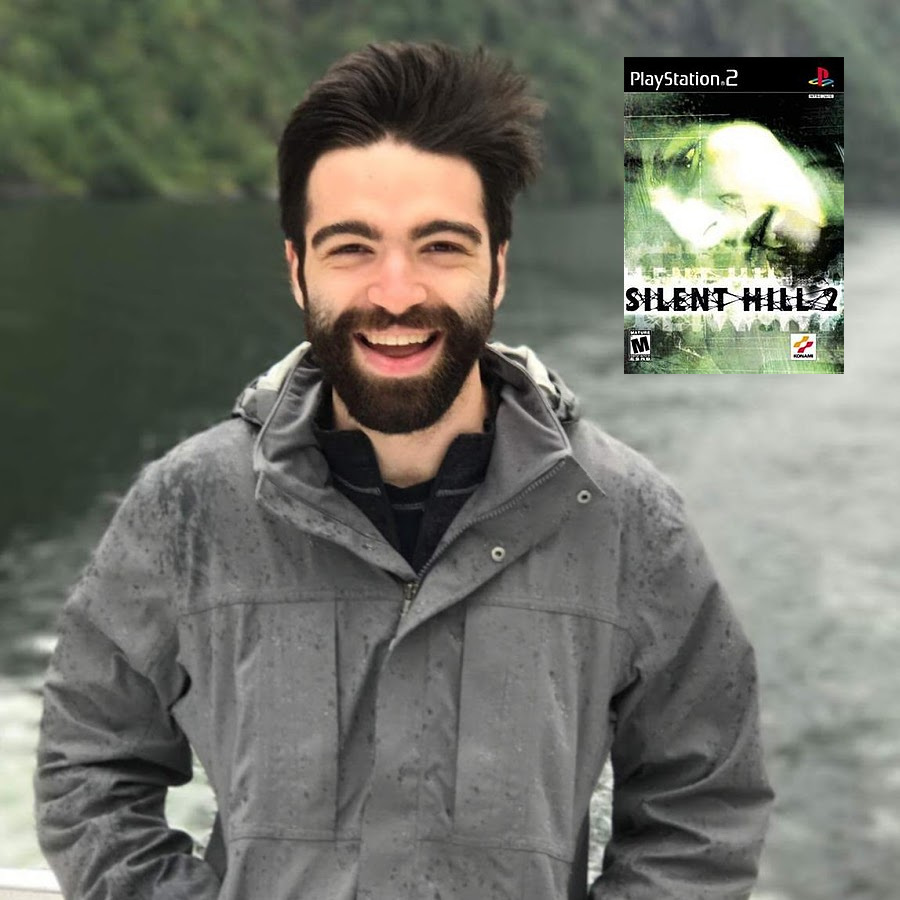
“The Reasonable Liminality of Silent Hill 2”: Chris Kelso in Conversation with YouTuber Jacob Geller
As an educator, I can confirm my controversial belief (and with some certainty) that video games are the nascent form of cultural expression in the 21st century. It might be time for us all to emerge from Plato’s cave and accept that some of the traditions we know and love are dead or quietly dying.…
-
Haunted Passages Short Story: “Squimbop Fever” by David Leo Rice
I drove all night in the truck I’d found parked in front of the house on Cielo Drive, windows open so the last of the names Jim and Joe could flow out, leaving me in a purified state that I chose to call the Brothers Squimbop, though I knew I was alone. I drove through lowlands…
-
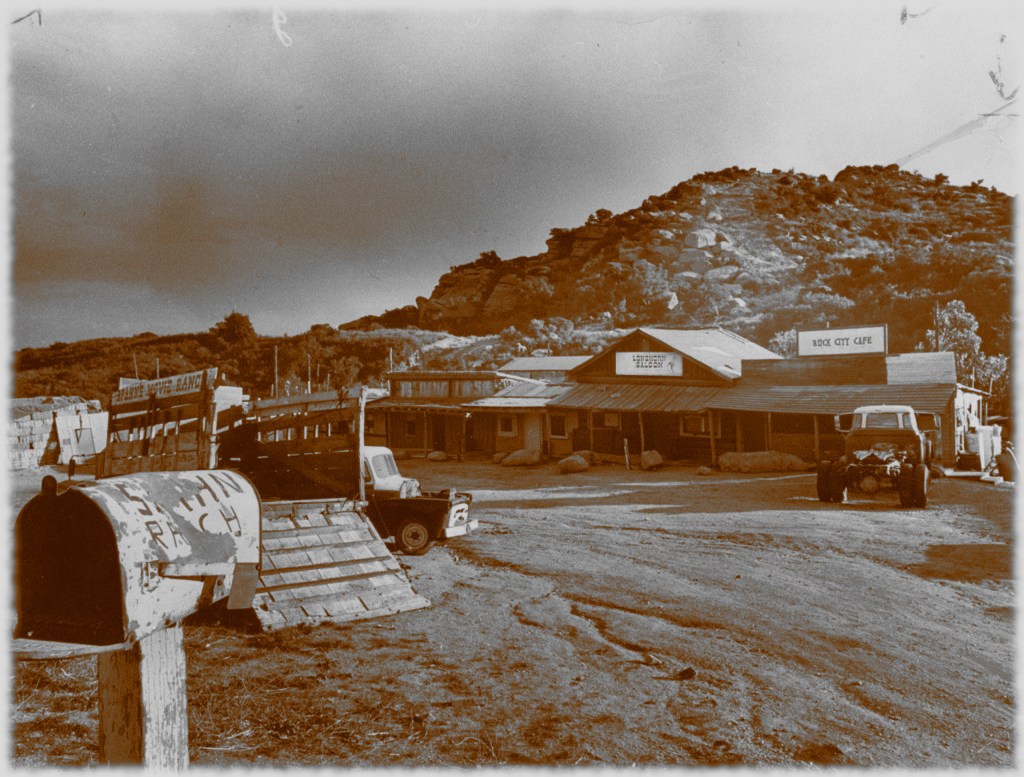
“The Brothers Squimbop in Hollywood”: A Haunted Passages Short Story by David Leo Rice
After their disastrous tour of Europe, which had necessitated nothing less than complete rebirth from the womb of the witch who had claimed to be their mother, the Brothers Squimbop returned to America, disembarking at the edge of a New World that they could already see would never be new again. They quickly abandoned the…
-

The Trouble with Language, a TRNSFR Books debut fiction collection by Rebecca Fishow, reviewed by Maxwell Malone
Rawness, strangeness, and unpredictability have been nearly universal facets of daily life in 2020, and, in that sense, Rebecca Fishow’s debut collection, The Trouble with Language, couldn’t have come at a better time. Rife with explorations of self-alienation, desire for purpose, disconnects, and detachments, the thirty pieces of prose poetry, flash fiction, and short fiction…
-

“Gravity and Other Theories”: A Collaborative Interview with authors Andrew Farkas & David Leo Rice
Andrew Farkas is the author of a novel, The Big Red Herring, and two fiction collections, Sunsphere and Self-Titled Debut. He is an Assistant Professor of English/Creative Writing at Washburn University and the fiction editor for The Rupture. He lives in Lawrence, KS. David Leo Rice is a writer and animator from Northampton, MA, currently based in NYC. His first novel, A Room in…

