
Caleb came at his appointed time but was surprised there was a line, there was a crowd, a disentangling order of people pressing toward the barrier. Stupidly he’d thought the offworld opportunity, now that it had finally come, would be something cleaner: he’d show at his time, be screened, show his repopulation report and pass, and—if all went well—be taken wherever offworlders were taken before they were taken away, never to return. But this, this he hadn’t understood. If he paid attention, of course, he could have guessed the appointments weren’t so carefully managed, the offworlding process not so clinical, no: it was becoming an evacuation, a lifeboat with limited seats.
The crowd was threatening to become something worse. The woman behind him was so close he could feel her now, and he had nowhere to put his hands to avoid touching the man ahead.
It all happened in stages, like a rocket’s ignition: the barrier began to open, the screeners were calling forth the nearest, but the bodies in the back pushed forward, and there became a wall of urgent panic surging toward the barrier, body against body, shoving and pressing and beginning to rise like a wave. Caleb was being moved, was moving, he could hardly get his feet against the ground, the barrier was open, the sound of the crowd all around took on a roar, a wail, a plea, and Caleb staggerstepped, losing his balance, righting it, moving with the force that was coming from behind, meeting the blockage that was the bodies ahead.
The concussive blast of stun grenades, the first wafted sting of tear gas. But the size of the crowd on this side was met only with the barrier guards, and it was becoming a riot, a hungry mob clawing for more, reaching toward the barrier and all the promised offland beyond. The crowd was at once a single entity moving terribly forward with its own set logic and a gathering of desperate and raging and crushed and terrified individuals.
Caleb could see them now, the barrier guards, somehow attacking with batons and tasers and also seeming to allow those past them to be past. He was moving in their direction, wanting and not wanting this, afraid both of finding himself before them and of missing his chance to walk past them.
A fight erupted to the left of where he stood, several men dragging a barrier guard down and attacking him with his own baton. Other men had pulled part of the fencing that was meant to contain an orderly line and were leaning into it as the barrier guards wielded their shields and threw wild punches. There was movement and Caleb continued, now regaining some agency as he sought to get to the barrier, past the barrier, no longer thinking, afraid and driven all at once, and the guards were so thickly engaged with the riot that was overtaking their position that when Caleb’s body was forced against the uneven wall of shields he faced resistance for only a moment before he felt himself almost carried past them, his body fallfloating forward as the barrier guards decided to ignore him and he passed through as if invisible and they swung against the bodies behind him. They were calling out, the bodies, the guards, in pain and fear and anger and desperation, voices pulling through the air, trying to drag the bodies that emerged from out of the scrum and huddle, the crowd and chaos. Caleb was pushing his way forward, already past the line of guards with their shields but still deep in the thick of bodies crushing in from all sides and the woman, who had stayed behind him this whole time, had held onto him as he slipped through the plasticine shields and batons, the woman pulled his arm, took his hand and he turned and she pushed into him the swaddled bundle she’d been clutching to her chest and a sound rose above the crowd and, turning back, he could see a chemical dispersant being showered down from someplace above and he could see the thousands fusing into pressure and force and direction, trying to pry open the barrier through violence and sheer mass and the woman was on the other side of the guards’ shields and—all in a moment—he held her child and she was pulled and pushed and forced away, screaming as the guards brought their batons down, reaching out for her child even as she’d sent it on ahead without her, and the guards were regathering and the area behind them opening, and Caleb found himself moving more easily along with a stream of others rushing and running and then slowing to a steady but anxious walk into the depths of the offworld screening facility toward the funneling gates, which despite the chaos seemed to still be scanning and passing people through, on toward repopulation evaluation and whatever pass verification was done, and Caleb still held the woman’s child, he saw it now, its face framed in swaddling against his chest, and it was crying, screeching, it was a tight nest of fury writhing within its wrapping, and he had only one pass. The child needed and was not his, it pushed against him, rejected his awkward hold, and yet he knew why she’d done it: she couldn’t stand to lose her child but knew not getting past the barriers was losing it, was condemning it to a death together instead of a life apart. And now it was his swaddled passenger, his weight to bear. He couldn’t bring himself to drop it, but before he made it onto the ship, before he arrived at the promised land where everything was shown to be an utter lie, a hardship, an obstacle; before he knew what it was to long for a place on the dying world to escape the raw reality of life on an uninhabitable sphere, a gray dome of walls and recycled oxygen; long before he wished he could have changed places and let the other take his ticket (or was that a condemnation too cruel?), he looked at the momentarily stilled face of the stranger’s baby, this unwanted occupant of his urgent cause, and saw the child’s unknowing eyes searching his features for some sign of hope.
Michael Sheehan’s stories and essays have appeared in Electric Literature, Agni, Mississippi Review, Conjunctions, Black Warrior Review, and elsewhere. He is an associate professor of creative writing at SUNY Fredonia.
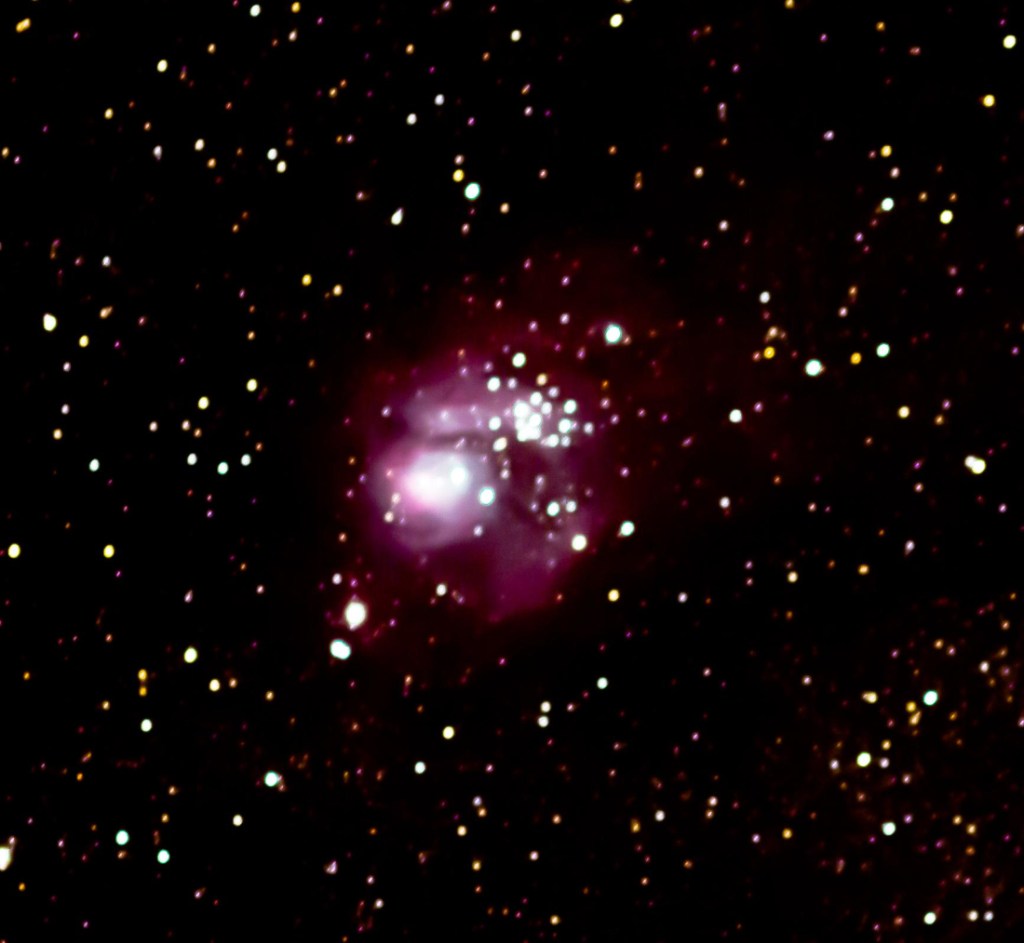
Image: seriousfun, morguefile.com
Check out HFR’s book catalog, publicity list, submission manager, and buy merch from our Spring store. Follow us on Instagram, Bluesky, and YouTube. Disclosure: HFR is an affiliate of Bookshop.org and we will earn a commission if you click through and make a purchase. Sales from Bookshop.org help support independent bookstores and small presses.

