
Category: Reviews & Criticism
-
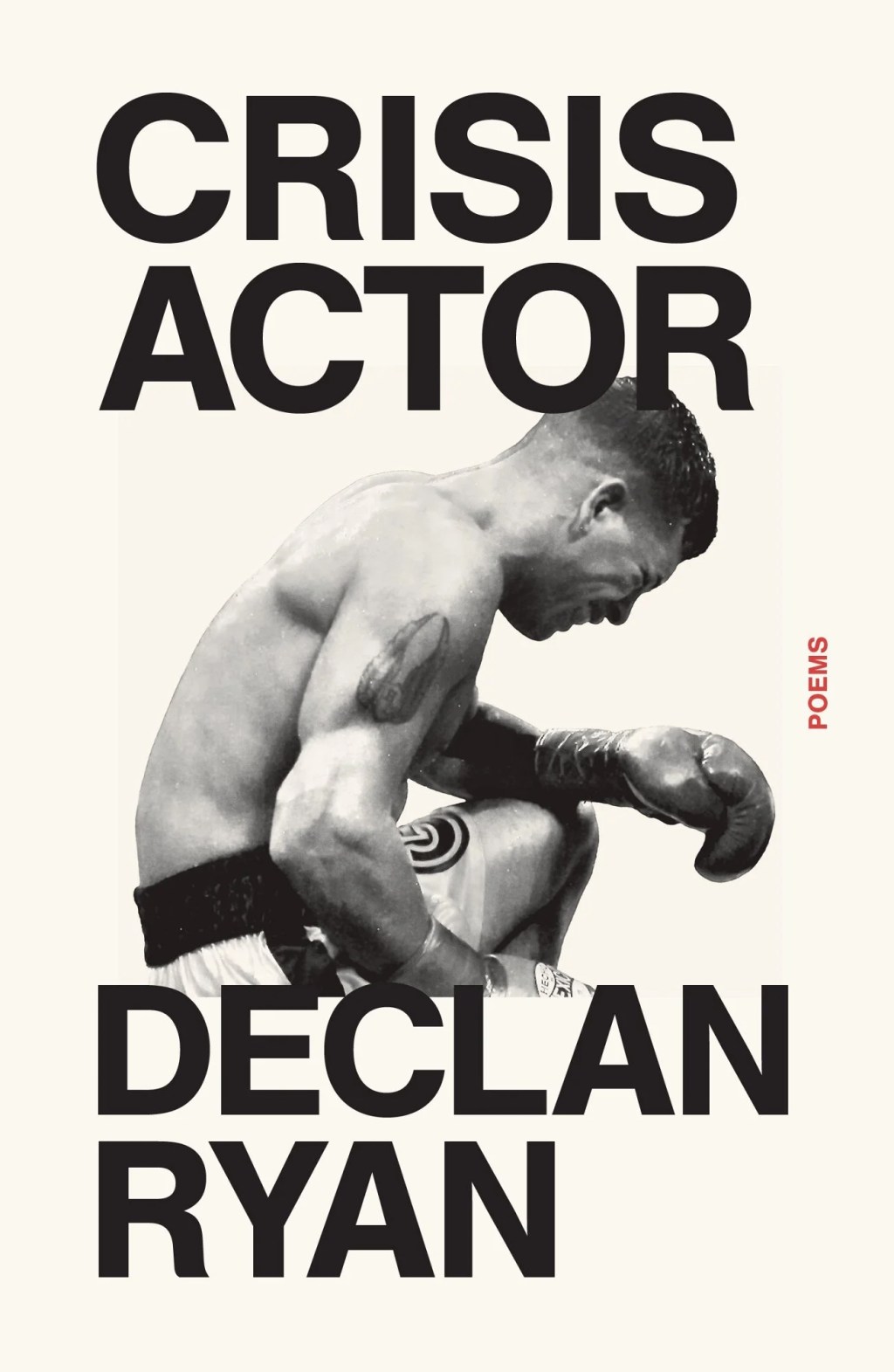
Poetry Review: Andrew Rihn Reads Declan Ryan’s Collection Crisis Actor
In Rocky II, Adrian is pregnant and while moving a heavy can of dog food at the pet shop, she over-exerts herself and ends up slipping into a coma. Rocky is understandably beside himself. Waiting beside Adrian’s hospital bed, when Rocky was at his most vulnerable and needing to steel himself, he didn’t go to…
-
Nonfiction Review: Daniel Barbiero Reads Peter Valente’s Artaud Occult Belief Guide Obliteration of the World
The third number of La Révolution surréaliste, appearing in April 1925, was remarkable for its inclusion of strident statements addressed to the Pope, the Dalai Lama, and the Buddhist Schools. Largely responsible for these items, as well as for overseeing the issue, was Antonin Artaud, (1896-1948), a recent addition to the Paris Surrealist group. In…
-

Fiction Review: Ria Dhull Reads duncan b. barlow’s Story Collection Awry
There’s a wolf on the cover of duncan b. barlow’s Awry, stylized in red and black, a signpost that seems to signal a collection of nightmarish short stories, some, presumably, centered on the image of the wolf, all, presumably, dark and bloody. This cover is a misdirection of sorts. There are animals scattered through Awry,…
-
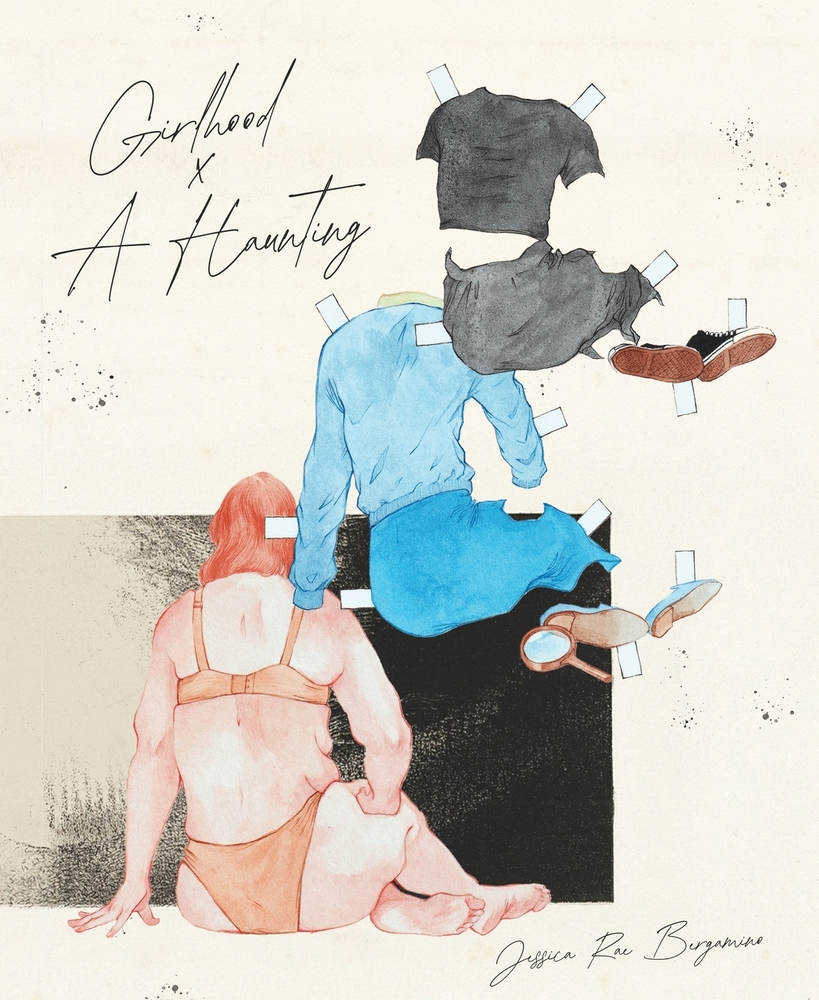
Poetry Review: Casper Orr Reads Jessica Rae Bergamino’s Collection Girlhood x A Haunting
The past is haunting. It’s a common turn of phrase, but it still holds incredible weight. Jessica Rae Bergamino’s Girlhood x A Haunting examines this idea of past trauma being an oppressive, haunting force through an exploration of her childhood. Through a spectral retelling of her childhood experience with abuse, sexual assault, and neglect, Bergamino…
-
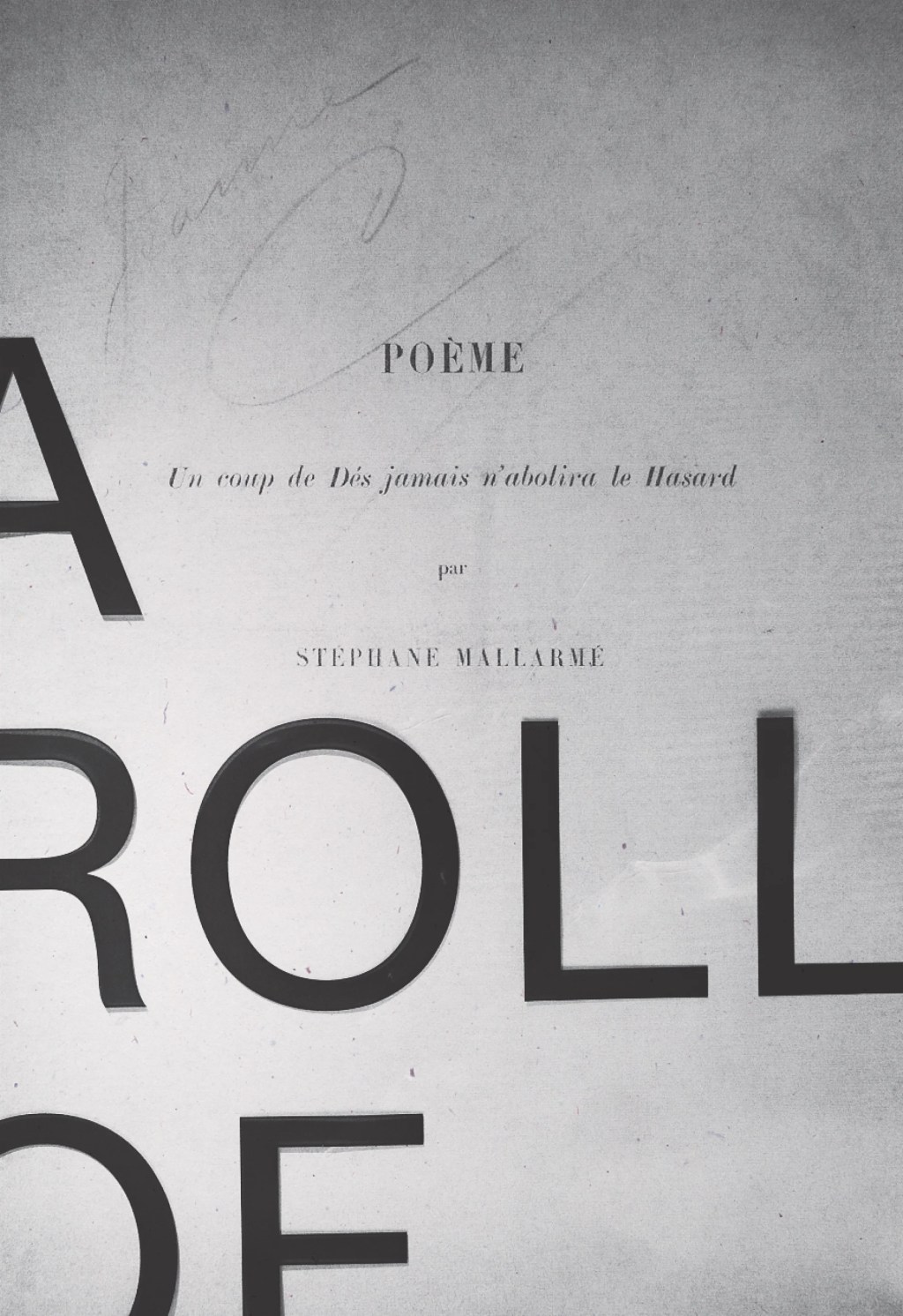
Book Review: Matt Martinson Reads Stéphane Mallarmé’s Long Poem A Roll of the Dice Will Never Abolish Chance
My introduction to Stéphane Mallarmé was unique. My college courses that touched on literary Modernism never mentioned him. Nor did my theory courses—despite his looming, spectral influence of Derrida and De Man—ever even say Mallarmé’s name. And what’s more, when I finally did “discover” Monsieur Mallarmé, it was not via his most famous work, A Roll…
-

Fiction Review: Emily Webber Reads Josh Denslow’s Sophomore Collection Magic Can’t Save Us
What surprised me most about reading Josh Denslow’s new short story collection, Magic Can’t Save Us: Eighteen Tales of Likely Failure, is that while I loved encountering all the magical creatures, the actual humans are the most compelling parts of these stories. Every story, laced with humor and sarcasm, calls out how easy it is…
-

Nonfiction Review: Asha Dore on Lidia Yuknavitch’s Memoir Reading the Waves
Like many of Lidia Yuknavitch’s readers, I was once her student. I met Yuknavitch first through The Chronology of Water, a book that gave me permission to abandon literary structure in a way that made memoir feel closer to telling the truth. When I found out she’d be heading the nonfiction program at Eastern Oregon…
-

“Being Alive Is Just One Way of Being Alive”: Grant Gerald Miller on Alan Michael Parker’s New Story Collection Bingo, Bango, Boingo
I left Memphis for Olympia, Washington, on the Amtrak with $200 tucked inside a copy of The Journal of Albion Moonlight. I had never heard of Kenneth Patchen. The bold, abstract cover designed by the groundbreaking New Directions designer Alvin Lustig caught my eye. But it was the title that truly captivated me: The Journal…
-

Poetry Review: Thoughts on Uche Nduka’s Bainbridge Island Notebook by Peter Valente
Uche Nduka explores the nature of eros and the political in terms of our present world. Desire that points to any utopic vision of an alternate world is often compromised by cultural and ideological factors. Pleasure is often tainted by class, power plays, and gender wars. We are a product of our time and perhaps…
 Heavy Feather Review