
Category: Reviews & Criticism
-
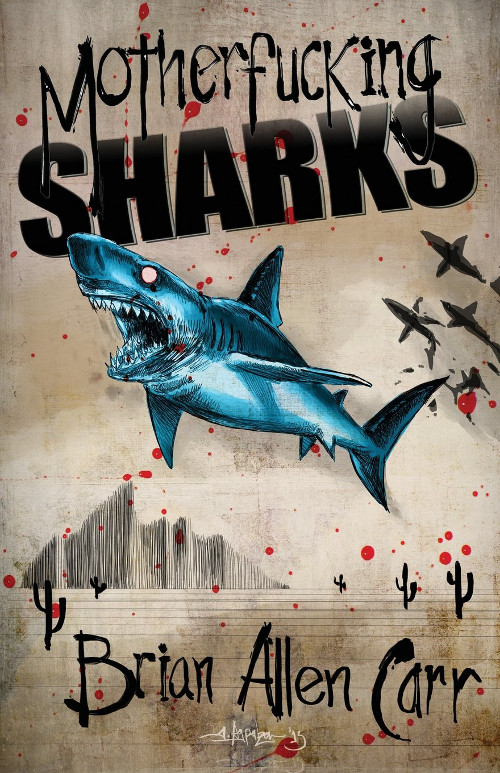
Motherfucking Sharks, a novel by Brian Allen Carr, reviewed by Brett Beach
A stranger comes to town. We know this story, don’t we? He warns of approaching danger, which the townspeople ignore. And because we are familiar with this story, we know the tale will not have a happy ending for most. The stranger—crazy or haunted, ill and raving—is right. Brian Allen Carr’s Motherfucking Sharks is a…
-

Commercial Fiction, stories by Dave Housley, reviewed by Nicholas Grider
Dave Housley’s Commercial Fiction is exactly what the title suggests, in two senses of the term. First, it’s literally short fiction that curls itself around standard network TV commercials, with anything from Taco Bell to Cialis given the brief 3D space of psychologically complex characters, many of whom, beneath the plywood façade of the commercial,…
-
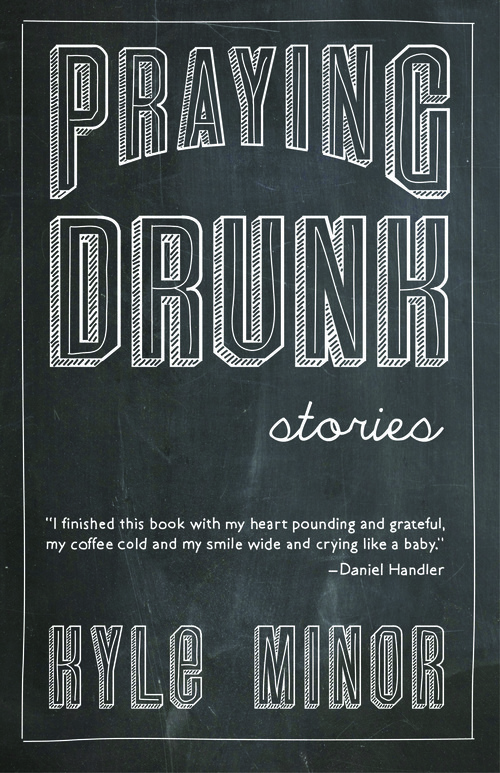
Praying Drunk, stories by Kyle Minor, reviewed by Jeremy Hauck
In Praying Drunk, his second book following In the Devil’s Territory (Dzanc Books, 2008), Kyle Minor forays beyond the realm of literary realist fiction and into conceptual work even as he makes hay from the material that literary fiction has monopolized: suicide, cancer/terminal illness, lives changed irrevocably by events lasting only seconds, travel to the…
-
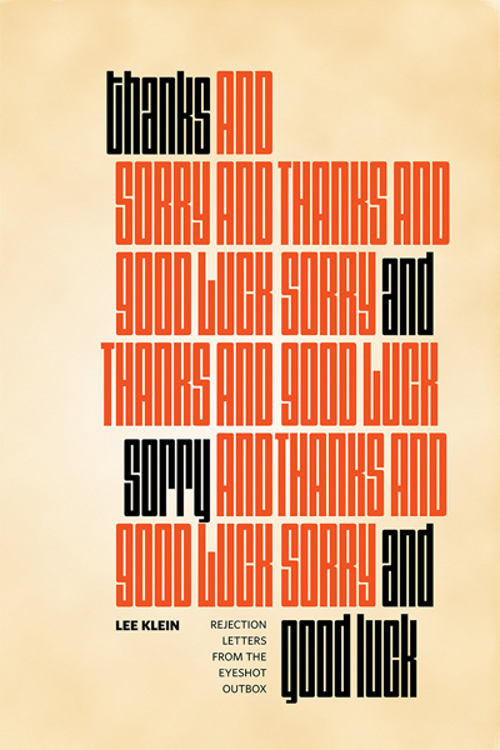
Thanks and Sorry and Good Luck, rejection letters by Lee Klein, reviewed by Nichole L. Reber
Thanks and Sorry and Good Luck collects a decade’s worth of pithy, humorous rejection letters sent to writers who hoped to publish in Lee Klein’s self-proclaimed “semi-literary” online journal, Eyeshot. This is not the stuff of “We appreciate the opportunity to read your work, but we’ve decided not to publish …” No, these rejections are…
-
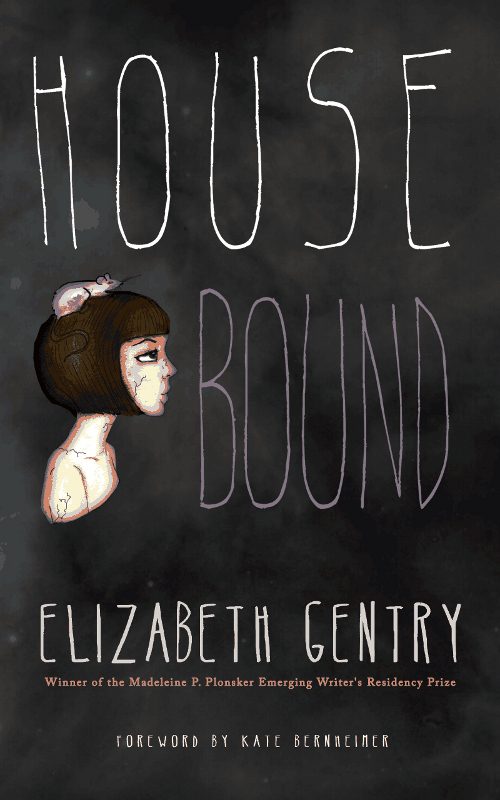
Housebound, a novel by Elizabeth Gentry, reviewed by Louise Henrich
Elizabeth Gentry’s Housebound crystallizes a moment of irrevocable change within a family. When Housebound opens, Maggie, the eldest daughter in a large, sheltered family, decides to leave her family home to search for work in the city: Leaving home felt like tunneling out of a snow that had kept everyone housebound so long they had…
-
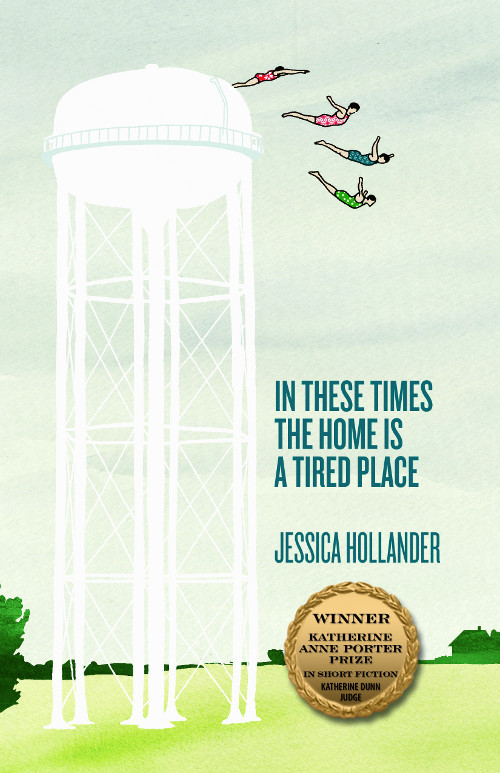
In These Times the Home Is a Tired Place, stories by Jessica Hollander, reviewed by Nick Kocz
I’ve heard it said that the purpose of the first few pages of a novel is to teach the reader how to read the novel. Short story collections, understandably, operate a little differently, yet in the opening sentence of Jessica Hollander’s In These Times the Home is a Tired Place, the lyrical short story collection…
-
![[[there.]], a trash diary mediation by Lance Olsen, reviewed by Jeremy Behreandt](https://heavyfeatherreview.org/wp-content/uploads/2014/02/frontcover.jpg?w=500)
[[there.]], a trash diary mediation by Lance Olsen, reviewed by Jeremy Behreandt
;;;; [[there.]] embarks with Lance Olsen on a five month fellowship at the American Academy in Berlin. Before he leaves, he begins a “trash diary: a constellation of sense, thought, memory, observation, fast fact scraps” which will become the book the reader travels through. Constellated are quotations from philosophers, etymologies, Olsen’s meditations on displacement, curiosity,…
-
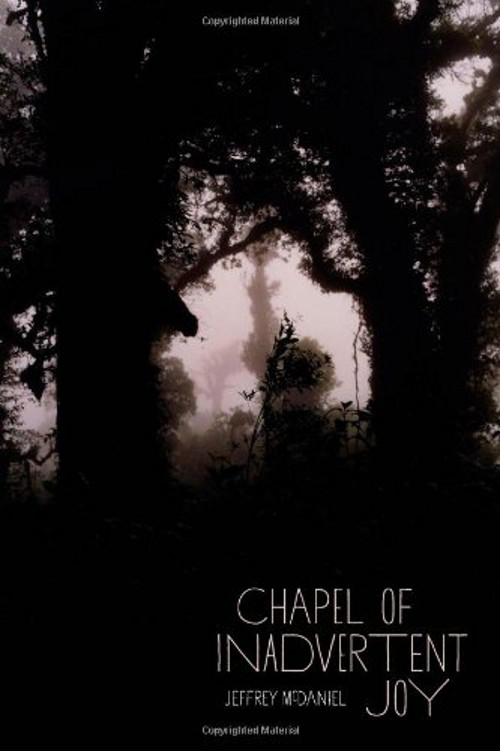
Chapel of Inadvertent Joy, poetry by Jeffrey McDaniel, reviewed by Zachary Fishel
Jeffry McDaniel’s fifth book, Chapel of Inadvertent Joy, is an aptly titled collection of poems worth returning to again and again. The book is separated into three sections, each focusing on themes of love, middle-age, and how it feels to bite through life with wooden teeth. Which is fine for many writers, but McDaniel ups…
-
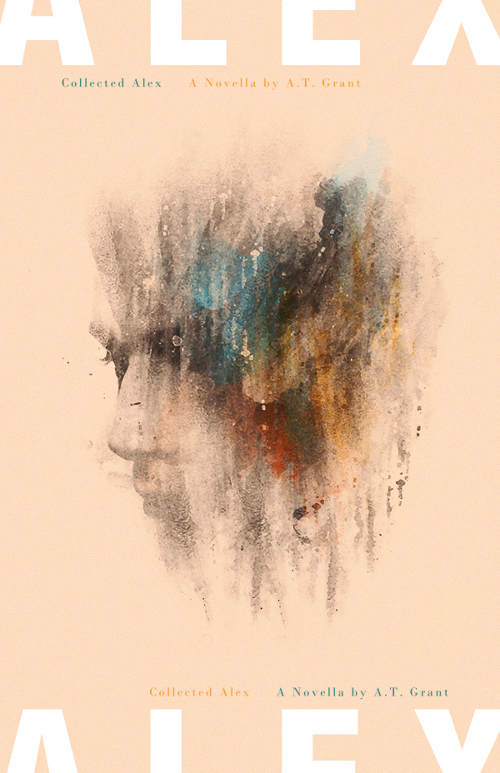
Collected Alex, a novella by A.T. Grant, reviewed by Matt Weinkam
IIn part one of A.T. Grant’s three-part novella Collected Alex (winner of the 2012 Caketrain Chapbook Competition) a boy named Alex receives a dead body from his parents for his eighth birthday. “My parents held each other and watched as I inspected it. They were so excited,” Alex tells us. “What am I supposed to…

