
VI.
Having children is exploitative. Children may become more than children.
Those who have more children before the war, may have fewer after the war.
Let us chide both children and the having of children. Having children is expletive.
Children may cause lasting damage. To themselves, to everyone around them. They are just not safe.
They may catch the chills. They may pass contagion to nonchildren.
They may spread dread. Just thinking about children makes me afraid.
I am afraid of a raid. Raid kills bugs dead.
We are hunting wabbits. O wabbit, why doesn’t my child wespect my having witten a PhD dissetation?
Poetry is blessed by words having meanings.
Blessed, that is to say, silly. Or wounded.
Is it in fact hurt by words having meanings.
It would really be better if they had no meanings. Then we could have pure art.
Meanings render poetry vulnerable. Most of the times it surrenders.
Children never surrender. Chide them all you want, God knows I have.
VII.
Hello I would like to vomit. Please somebody assist me to vomit.
Is that yet another thing I have to do on my own.
Marrying on my own, aging on my own, and now vomiting on my own.
I have been informed that I am to die on my own but not that I am to live on my own before that.
As the dog returneth to his vomit, the wind returneth accordingly to his windows, and so do I. Would somebody empower me to vomit.
Everybody vomit together on their own.
Heave ho, vomit with woe. Vomit agogo. Vomit once more with feeling.
Er aber sprach zu ihm: Mein Herr, womit soll ich Israel erlösen? Wherewith shall I pay the redemption value of this bond, Gideon did.
What is this window. It is cut window. It opens up unto wind.
Was für ein Fenster ist das. Das ist ein Fenster zur Finsternis.
Is there hope in the window if you open the window. There is rope in the window, das Seil der Seele.
As the son returneth to his sonnet, so would I accordingly like to vomit.
Accordingly, that is to say like an accordion. From cor, cordis, heart. I would like to vomit from the bottom of my heart.
Due to our shared Romanitas would you show me the way to the next vomitorium. Oh don’t ask why.
IX.
I sent my pen pal a palindrome. Lol.
Pal, slap not on pal’s lap. Free freedom!
Is Ill a palindrome if the typeface is sans serif. The dom in freedom stands for house.
My pen pal and I sing “This land is your land. This land is my land.” Pronouns can stand for just about anyone.
You are my pal-in-drone. You go on and on without end.
You lazy yawning drone penned over to the executor pale. O executor, is the pale that of settlement.
More wordplay passed between us than between Dido and Dodo in anticipation of the Punic Wars.
Our tears tasted of Salt I and Salt II till good Cato became our bouncer. We sang an air about ethical cleaning: “Remember me, remember me, but ah! forget my fate.”
I have been attacked by my pen pal and now I’m attacking them back.
I’m at tacking them with a full backery. All my rolls are on a roll.
The pen pal is in the pen. What is the color of ink.
It is an incorporated color. What can you write with it. O pal where is thy pall.
Writing is appalling. It converts pen pal to PayPal. It stains your palm.
It is a date palm. There’s time over it, pal. The pal is pooling on a loop in your lap, Mary Bones.
XII.
Do we feel the shame of it.
If we say we feel the shame of it, do we feel the shame of it.
If we do not say we feel the shame of it, do we not feel the shame of it.
Or do we not feel the shame of it. Is it not the same.
Is not saying we feel the shame of it the same as saying we do not feel the shame of it.
Is saying we feel the shame of it the same as not saying we feel the shame of it.
Insofar as feeling shame is concerned.
Insofar as saying is concerned it is not, but how about insofar as feeling is concerned.
Is feeling concerned. How far is it concerned. How far is insofar. About.
Is it about feeling. Is it concerned about feeling. Is it feeling concerned about feeling the shame of it.
The shame of it. How concerned are we feeling. Are we saying we are feeling.
Are we saying we are feeling concerned. What about. Are we concerned about saying.
We are not saying. Are we feeling. Is the shame about the same.
Does saying change feeling. How far.
Eugene Ostashevsky is a poet and experimental translator. He is the author of, most recently, The Feeling Sonnets (Carcanet, NYRB Poets), a book of poems that examine the effects of speaking a non-native language on emotions, parenting, and identity.
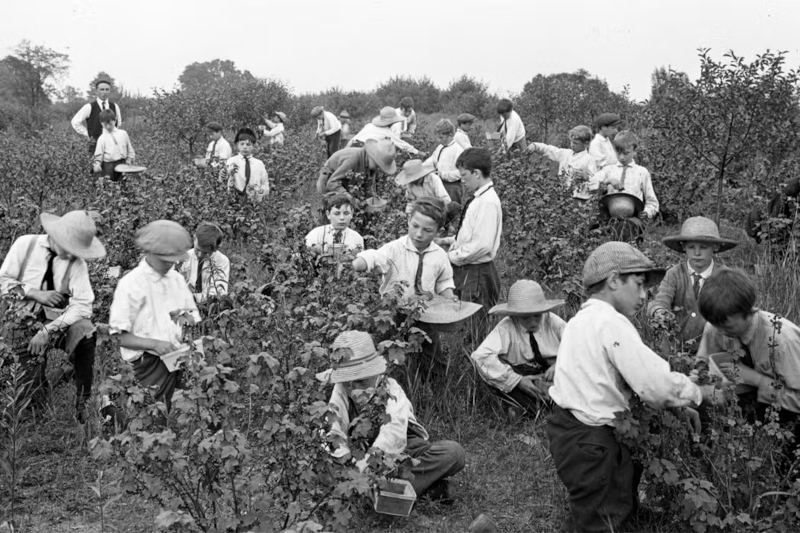
Image: daily.jstor.org
Check out HFR’s book catalog, publicity list, submission manager, and buy merch from our Spring store. Follow us on Instagram, Bluesky, and YouTube. Disclosure: HFR is an affiliate of Bookshop.org and we will earn a commission if you click through and make a purchase. Sales from Bookshop.org help support independent bookstores and small presses.

