
Here we go again! Putting together this year brings me such joy and I hope you find something beautiful here, too. Sometimes, it can seem as if no one reads anymore but making this list reassures me that there are a lot of us out there, still trying to learn, still trying to create, still trying to connect. Unburden yourself from the disappointments of the past year by getting lost in these words and supporting indie lit. Reading is resistance! We’re still here. Like my sister and I used to say, I raise an imaginary glass to you now and clink, “Cheers to the weirdos!” I’m glad we’re here together. —Jesi

3 Paragraphs in the Life of Bob Johnson
by Scott Bradfield
(Independently Published)
In January of 2021, coming out of a pandemic-induced reader’s block, I read Scott Bradfield’s astonishingly violent, beautiful, dark, and funny 1989 California novel The History of Luminous Motion. This past summer I followed that up with his equally strange and excellent 1990 story collection Dream of the Wolf, at which point I started to wonder: whatever happened to Scott Bradfield? In answer, I found James Nullick’s interview of that same title, which led me to this hilarious novel which—because the publishing industry is fundamentally broken—he had to publish himself. 3 Paragraphs in the Life of Bob Johnson is a surrealist masterpiece, one of the best and funniest books I’ve read in 2024, unhinged in the most positive possible ways. He seems to be writing for the sheer inherent pleasure of doing so, amusing himself as much as possible, which makes everything about the book delightful for the reader, too. Add to cart!
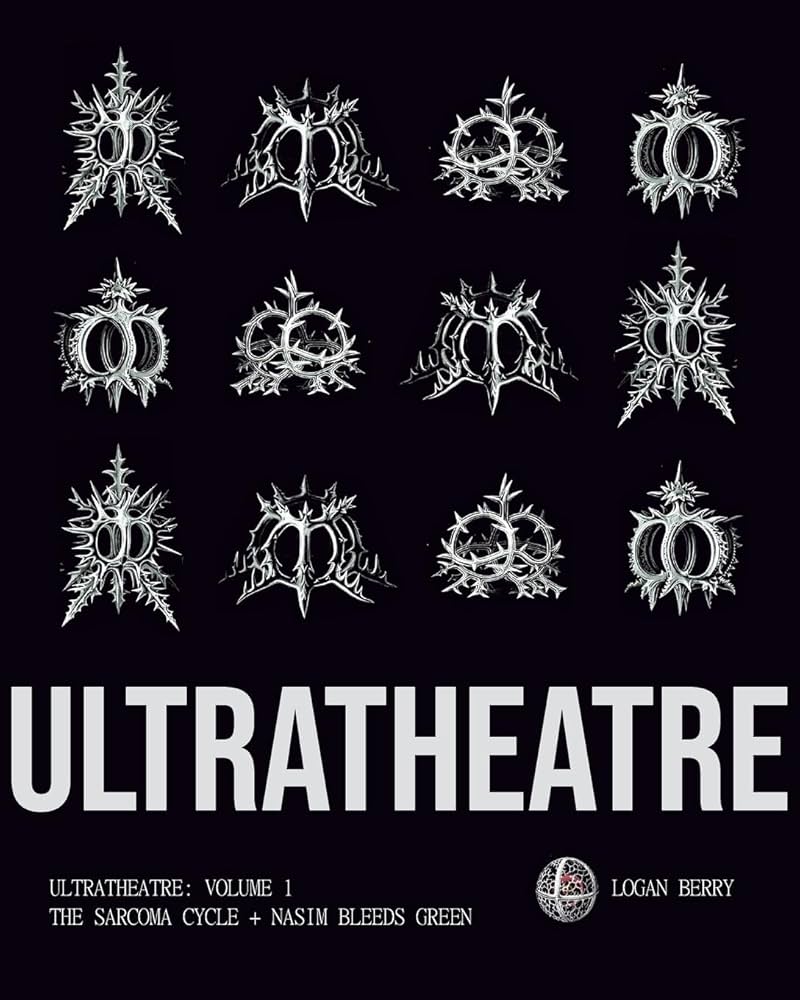
Ultratheater Volume 1: The Sarcoma Cycle + Nasim Bleeds Green
by Logan Berry
(11:11 Press)
Logan is a former student and current friend and he’s one of the most interesting people working in theater today, trying to find—and finding—what this live art form can do that others can’t and keeping it relevant in an age where there are so many other ways to entertain yourself. I saw the three plays of the Sarcoma Cycle in June and they blew me away in performance, but they work just as effectively on the page, too. Also, as a bonus, in this book you get actor and writer Dylan Fahoome’s manifesto “Ecstatic Theater,” which is full of provocations like: “In a medium nicknamed showbiz—which evokes flashy jazz hands, or a child singing a song and doing a dance in front of a crowd of elders—how did theater become so distracted up its own ass? Theater is not communion (go to church!), is not democracy (go to the polls!), is not activism (go to the streets!), and is not education (go to school!). By acting besieged, desperate and helpless—we theater artists have been given a free pass to continuously make bad theater. Support the arts! is our death knell. Out of an endless, undying, irrational fear that no one will attend live theater anymore, we lied to ourselves that ALL art is GOOD art. Out of this false sense of mutual protection, we have done each other a disservice. We have failed to innovate the form.” In other words, he concludes, “theater’s primary role is not to enlighten, educate, or comment—it is to ecstasize.”
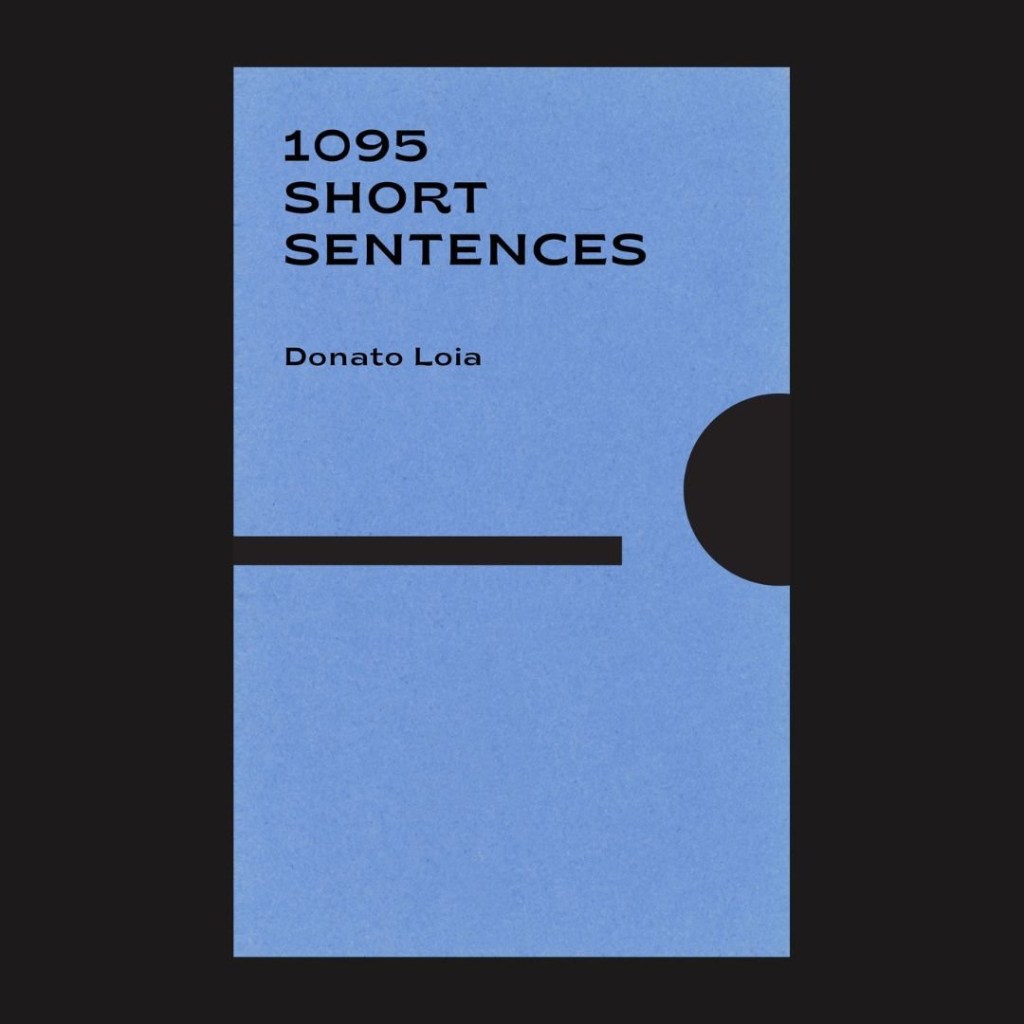
1095 Sentences
by Donato Loia
(B-Side Editions)
Deb Shapiro is one of the finest novelists working today in terms of her quiet yet gripping depiction of the subtle interior shifts that take place in the human mind and make us act in the world. But because the publishing industry (see above) is fundamentally broken, she needed to bring her latest novel Consolation out herself. To do so, she founded B-Side Editions: “An occasional publisher of emotionally resonant literary books—sometimes atmospheric, sometimes sharp, always with heart.”
B-Side’s second book is an aphoristic collection of observations by Loia, an Italian writer currently based in Chicago, a set of notes-to-self the author composed in the morning, the afternoon, and the evening over the course of a year. Its small, pointed, philosophical parts accumulate into a glorious yet down-to-earth whole. It’s the kind of book that makes you want to quote the entire thing, but here’s my favorite chunk:
189. What might a collapsing empire look like? Here is a possible example: There is an unemployed man, in his early twenties, on a sofa, wearing sports clothes that might also pass as pajamas. The house is in a nice part of town. It would probably cost one million dollars. The young American is drinking beer and watching a TV program, “Workaholic.” On the floor, the beer cap. ON a small table ahead of him, a cookie. Half chewed. Crumbs are on the floor. His mom arrives and says, “Let me throw away this cookie, I am sure it has been here for the whole day.” No orgies, no rivers of alcohol, nothing that might remind us of the decadent Romans. Just a half-chewed cookie eaten by an unemployed person and picked up by a mother. This is probably what it looks like.
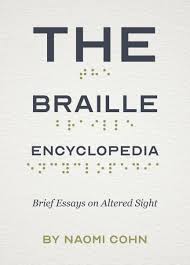
The Braille Encyclopedia: Brief Essays on Altered Sight
by Naomi Cohn
(Rose Metal Press)
Since 2006, Abby Beckel and I have co-run Rose Metal Press, a non-profit publisher dedicated to literary work in hybrid genres. Because (see above) the publishing industry is broken, we work hard to put out and publicize worthy books that would probably not otherwise find a home. This is our latest title, out in October of 2024, and in it, Naomi Cohn, a blind Twin Cities-based writer, creates an imaginative alphabetical set of entries that capture not only what it has been like to experience a progressive loss of vision and fall in love with braille, but also an abecedarian life story of a life spent in love with words.
—Kathleen Rooney, author of From Dust to Stardust: A Novel
Quiet
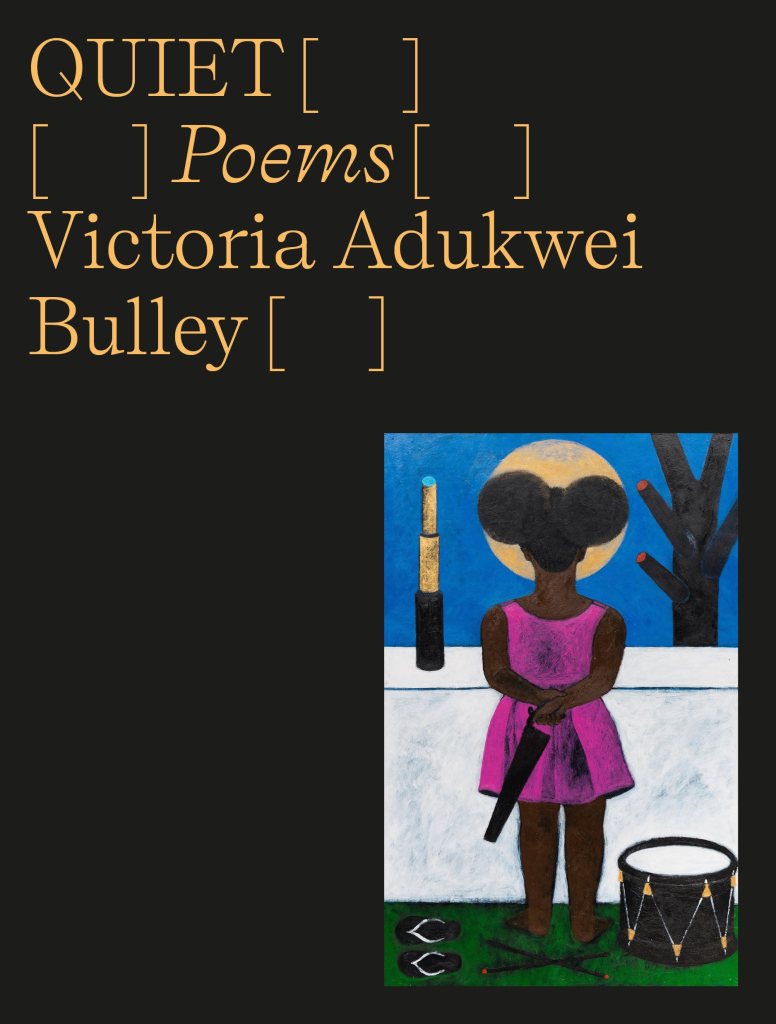
by Victoria Adukwei Bulley
(Faber)
I found a copy of Quiet in a bookstore in Edinburgh, Scotland, and stood there in the poetry section for so long—mesmerized by Bulley’s intense, redacted introspection—that the coffee shop ran out of cakes and started to close. I bought Quiet and took it back to the States with me, reading it over and over on the plane. In “The Ultra-Black Fish,” I loved these lines about liminality: “… Nonetheless, their existence / alone is evidence that, invisible as they may be to others, / they are by no means strangers to themselves.”
Makeover
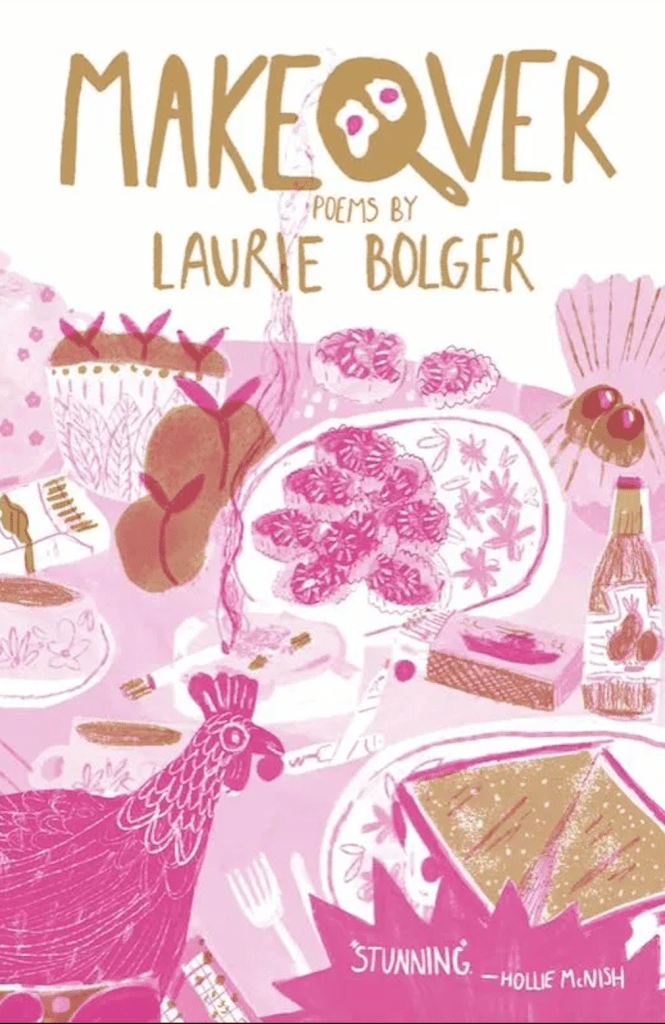
by Laurie Bolger
(The Emma Press)
I adore the daring and adventurous Emma Press—small press, big dreams—and picked up this chapbook in Edinburgh, as well. For Bolger, anything in a woman’s world of lived experience is legitimate poem-material, even the bold, garish mottos on T-shirts (“Action Replay” bold emoji), mermaids whose eyes open and close like scallop shells, and the comedic bent that Bolger brings to her glittery, larger-than-life female subjects.
Search History
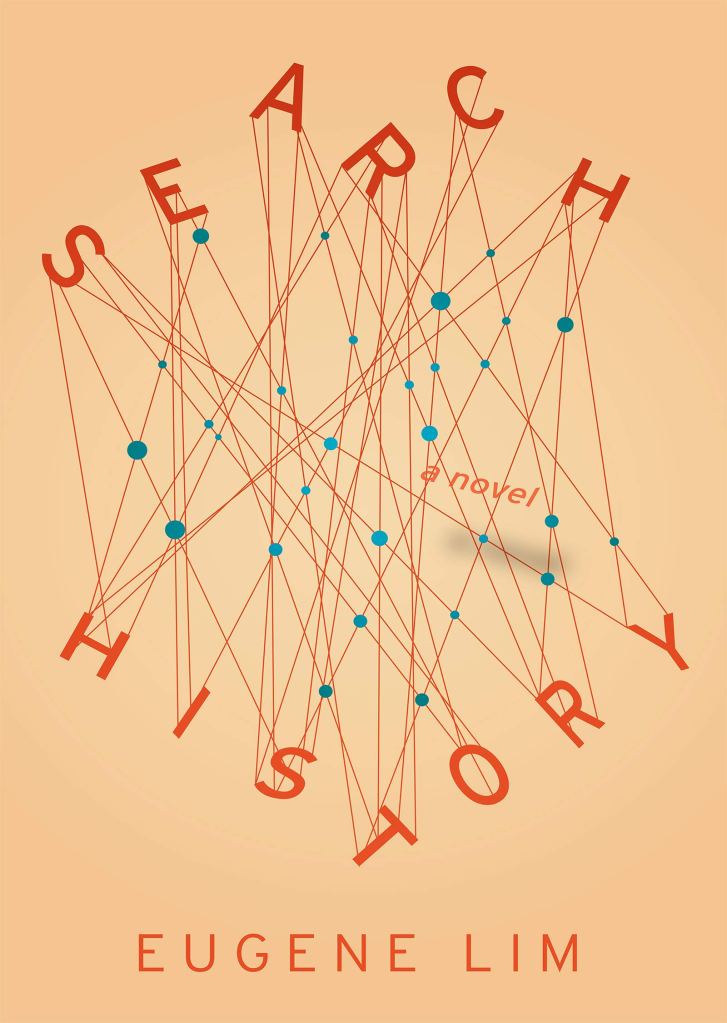
by Eugene Lim
(Coffee House Press)
Eugene Lim is a librarian-professor-sage by day, and an incognito superhero by night. He’s a kindred spirit in our appreciation of literary obscurity and the aesthetically esoteric—in a weird, idiosyncratic way. As for Search History, what’s not to like about an innovative novel featuring a protagonist named Frank Exit? This is a graceful excuse to leave a party if you’d rather go home and work on your next manuscript of avant-garde fiction.
Nebraska
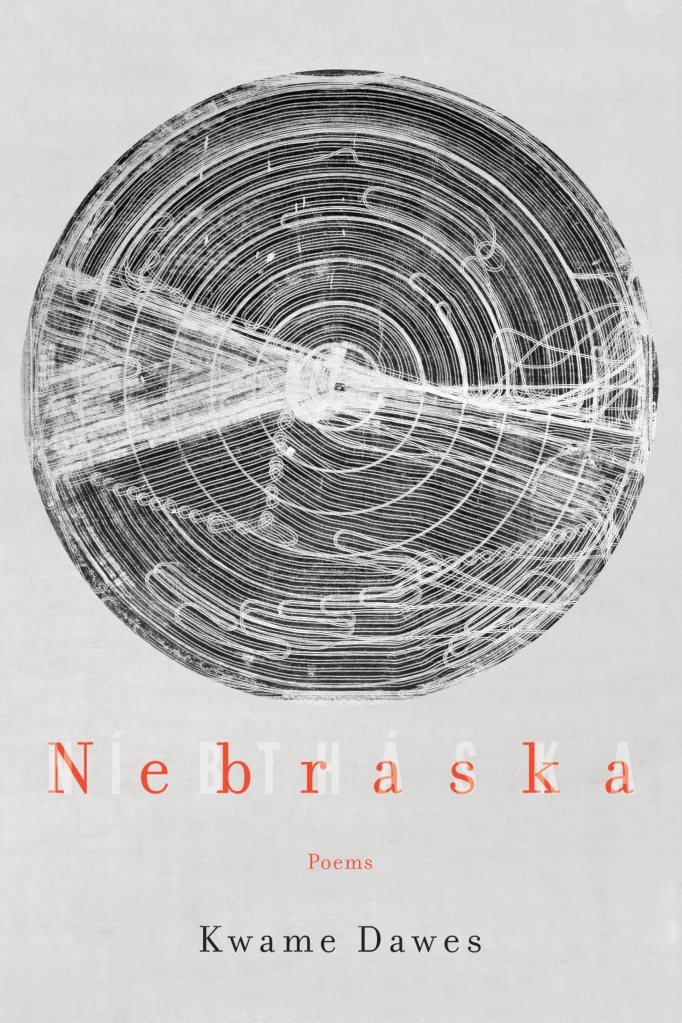
by Kwame Dawes
(University of Nebraska Press)
Is Nebraska weird? To some of us, yes, perhaps Nebraska’s a little weird—in a stark, snow-laden, “low-bellied cloud cover over Lincoln” sort of way. This startingly beautiful collection by Kwame Dawes considers displacement, nostalgia, and transnational heritage from Ghana to Jamaica and now against the backdrop of the Great Plains. I re-read his stanzas about the long winters and his artfully rendered lines about snowfall, dropping winter temperatures, and his recursive memories of place against the landscape of whiteness, both literal and allegorical.
—Karen An-hwei Lee, author of The Beautiful Immunity

Comemadre
by Roque Larraquy, translated by Heather Cleary
(Coffee House Press)
I love a short novel. Comemadre is two very short novels, set 100 years apart in and around Buenos Aires, positioned back to back. In one, a group of doctors explore the outer periphery of life. In the other, a performance artist explores the outer limits of art. Despite the doctors’ savage human experiments and the artist’s Cronenberg-esque body modifications, the book is absurd and hilarious. A romp, even. And the novel’s diptych form generates the pleasure of tracking the resonances in themes between the two stories.
Tannery Bay
by Steven Dunn & Katie Jean Shinkle
(FC2)
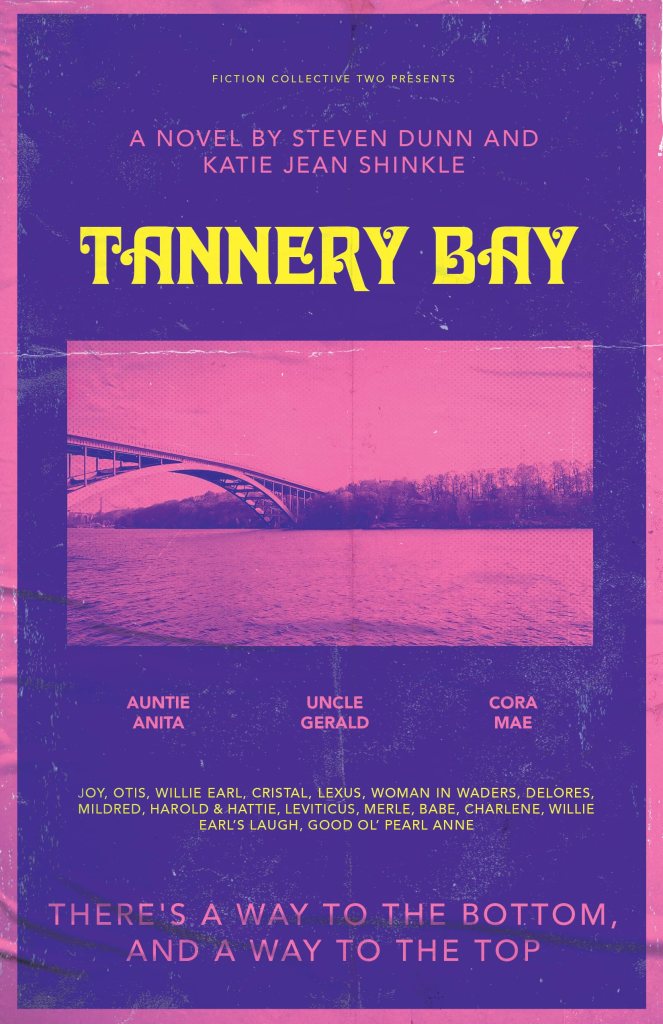
Already a fan of both Dunn and Shinkle, I expected something weird, quirky, funny. And this novel is definitely those things. But I did not expect to find myself reading a “feel good” novel, a term I’ve only really heard used for movies. In this sense, the movie-poster-style book cover—including the names of the top billed characters and a tagline—is spot on. Tannery Bay is a kind of classic David v. Goliath story. The members of a feudalistic small town rise up against their oppressors through the power of love and art. Writing with this kind of vulnerability and sincerity is refreshing and to do it without falling into sentimental territory is evidence of the power and skill of the Dunn-Shinkle one-two combo. Kah-plow!
Invasive Species
by Michelle Lizet Flores
(Finishing Line Press)
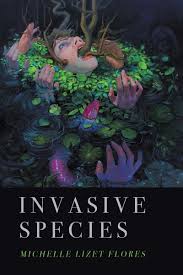
Flores’ intimate and vivid collection of poems, structured in a loose arc, follows a speaker through a Miami-Cuban childhood deeply rooted in a powerful matrilineal ancestry, through loss and mourning, and into an adulthood that reflects and wrestles with the past while also moving forward into motherhood. From tossing salt on cane toads to Overtown tent revivals, from MIA to JAX, Florida always looms—at times in “gothic” vignettes—as the backdrop for this rich story-in-poems that seems to mark time not in years but in hurricanes.
When the Ocean Comes to Me
by Alex Gurtis
(Bottlecap Press)
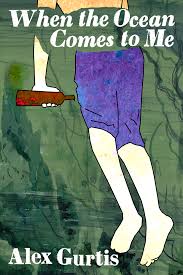
More hurricanes, more Florida. This time in a late-capitalist landscape where the rent continues to be too damn high and “working in education is a type of trauma.” At times mournful and bitter, though not without a kind of gallows humor, and at times full of wonder and appreciative of moments of beauty, Gurtis has a knack for zeroing in on the right image at the right time, as well as balancing fanciful thoughts with harsh reality.
—Ryan Rivas, author of Lizard People\
I Done Clicked My Heels Three Times
by Taylor Byas
(Soft Skull Press)
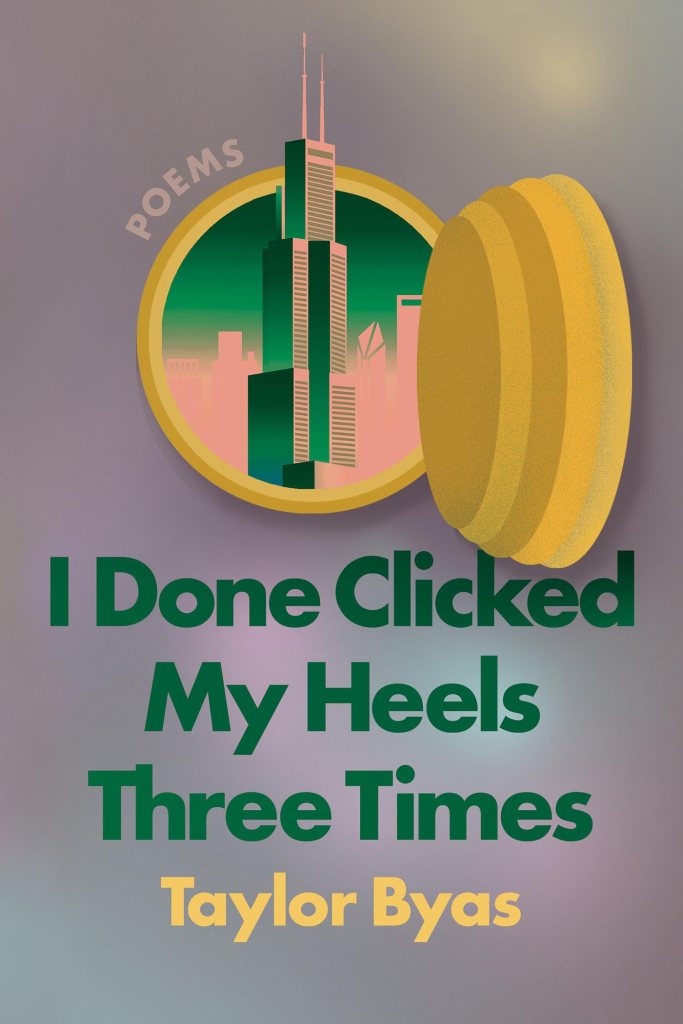
A sprinkle of the Harlem Renaissance and a dollop of the Jazz Age—add a thread of pop culture, weaving references to The Wiz, and in its rhythm and blues, Taylor Byas knits a magical narrative of physical and metaphorical journeys, hypnotizing us in her poetry collection I Done Clicked My Heels Three Times. A world within a world, these words serve as a testament to the struggles of identity, bringing forth a force of solitude in these obstacles. An imagination of a new lens of growing up in Chicago, Byas writes with a magnitude that thirsts to break through the pages of these poems, to quench the need for an unveiling of a life, stripped and raw and vulnerable. The author reveals to us, however, that these tender spots are indeed stronger than its appearances. Rich and booming, her poetry sings loudly the notes and melodies of a whirlwind adventure.
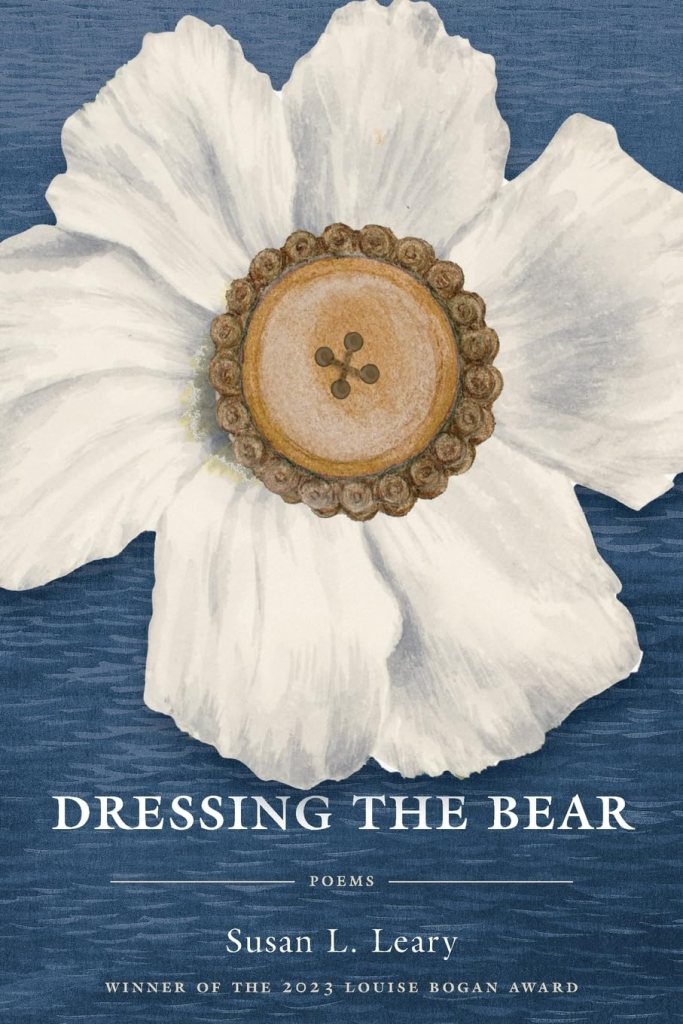
Dressing the Bear
by Susan L. Leary
(Trio House Press)
Susan L. Leary’s Dressing the Bear is an exploration of the soul and all it encompasses when facing grief and loss and pain and hope. Leary addresses her brother’s ghost, searching for peace and sense—a subtle familial reckoning, a digging reconciliation, and in its delicacy, there is a power in the petal of each poem which echoes with the sound of tears dropping onto each page. Dressing the Bear grasps our minds, guiding us to recognition, an understanding that the fickle nature of life and its inexplicable tendencies hold a gravitational force, connecting us all to each other. We look around the world in these poems, realizing that we are much closer to each other, strangers, friends, family members alike, than the opposite. However isolated the narratives of these words read, its intensity through each line takes us a step closer to the acknowledgment of love, one that clasps our hands and pulls us in toward a shine.
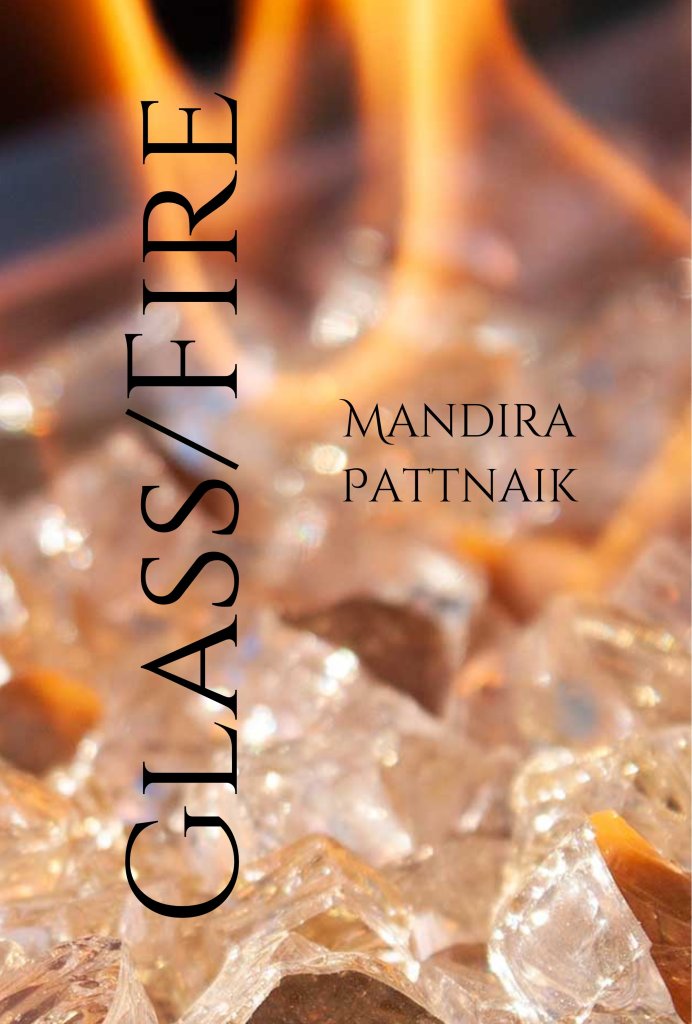
Glass/Fire
by Mandira Pattnaik
(Querencia Press)
Deluged with gorgeous language and imagery, Mandira Pattnaik’s novella-in-flash Glass/Fire reveals the magic in the malleability of prose and style. Powerful, complex, and emotional, Pattnaik wonderfully threads a narrative about families and friends and loss and love, showing the possibilities of what happens when glass is set under pressure—some might not make it, cracking and shattering, while others carve their own existences, using heat and friction to shape their lives. From rain to mangoes, all natural elements serve a purpose, and Glass/Fire encompasses galaxies and channels them through its characters, blending scientific truths and harsh realities with hope, leading the reader into the unknown capabilities of fiction.
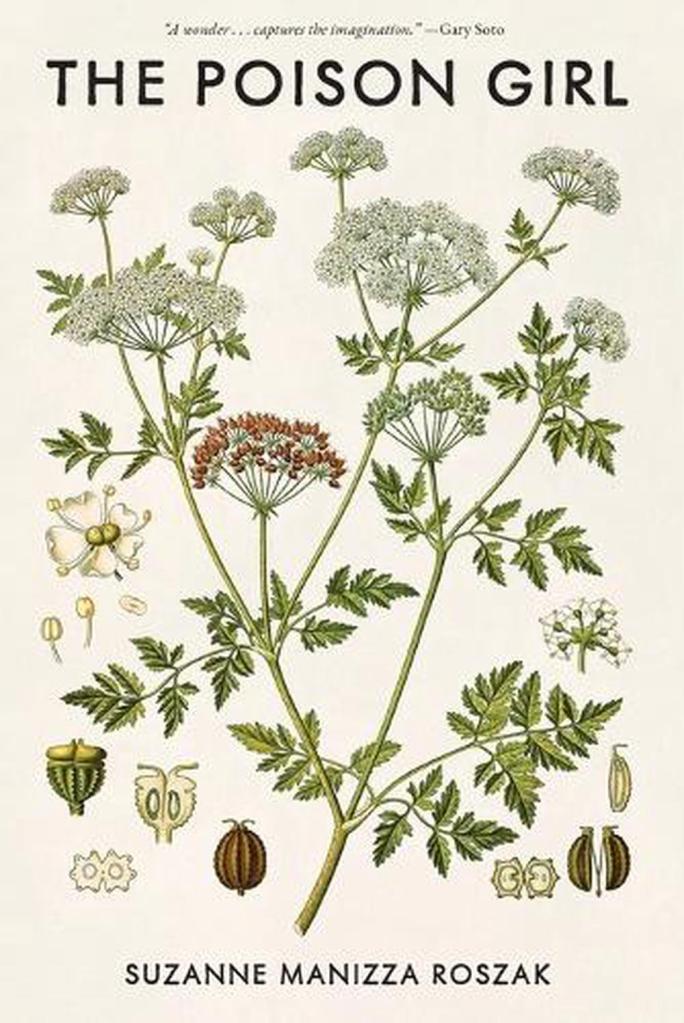
The Poison Girl
by Suzanne Manizza Roszak
(Spuyten Duyvil Publishing)
Suzanne Manizza Roszak’s The Poison Girl is a retelling of Nathaniel Hawthorne’s “Rappaccini’s Daughter” with echoes of such authors as Mary Shelley, Kate Chopin, and Laura Esquivel. Roszak masterfully displays the craft of storytelling on a variety of literary levels—sometimes mythical, other times fabled, all immersed into the Gothic, as the novel follows the Rappa family and their internal and external journeys. Its grand scope narrows in on the different perspectives of each character told through multiple narratives, revealing their vulnerability and strengths both on the physical and psychological levels and displaying the complicated, intense, and heavy relationships among the Rappas. A dark family saga full of generational striations, The Poison Girl is a garden to be tended, leaving readers to wonder about the meaning of petals.
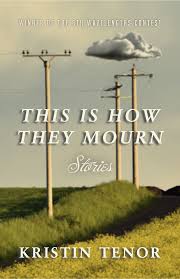
This Is How They Mourn
by Kristin Tenor
(Thirty West)
Winner of The 8th Wavelengths Chapbook Contest, Kristin Tenor’s This Is How They Mourn is a collection of stories that individually display a beautiful range of narratives, while as a whole, it reads like an extended goodbye letter without wanting to say goodbye. Tenor juxtaposes the heavy and the dark with innocence, creating this conflict of emotions—nostalgic, at times, resembling the feeling of walking through the rooms of a house you used to live in years ago and finding hints of familiarities in a home no longer belonging to you—becoming a stranger in your own kitchen. Tenor writes with precision, showing the vast array of worlds that can be created in a small space—leading us to a universe of words and making us want to raise our hands and say hi.
—Shome Dasgupta, author of Atchafalaya Darling and Iron Oxide
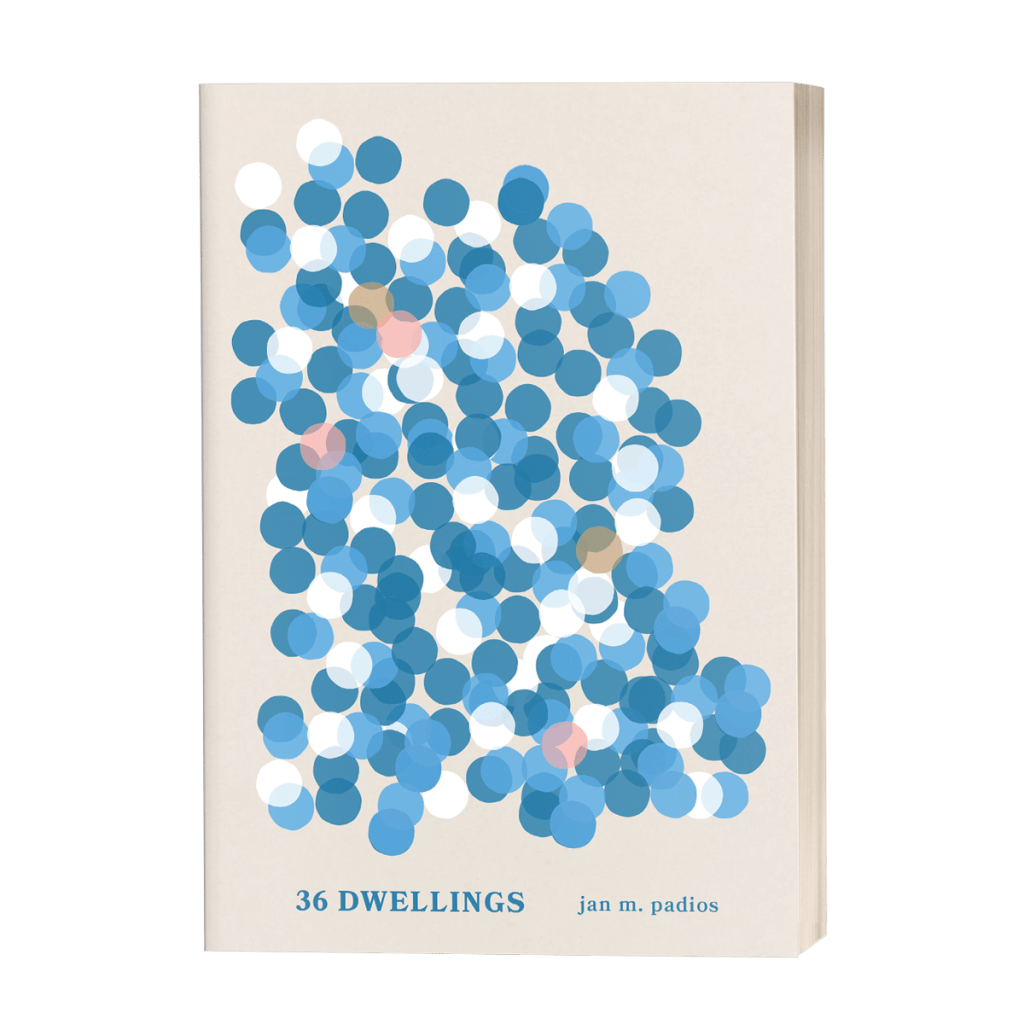

36 Dwellings
by Jan M. Padios
(Burrow Press)
An incredible, thoughtfully made art-object that reflects the literal architectures of various domiciles the speaker has dwelled in; through floor plans and other forms of visualizations, figural and literal, the speaker documents intimate forms of violence and the legacy of colonialism via the fissures within a Filipinx family. Padios communicates volumes when she measures distances: “Total number of miles I have lived from my parents: 17,700.”
Double Exclusion /이중소외
by Shantal Jeewon Kim
(Gasher Press)
A stunning collection of visual and text compositions that fluidly moves between English and Korean languages. Repetition and iteration are ways of seeing again and again, each time unearthing new layers, membranes, and terrains within the spools of history. I can’t stop thinking about the textures evoked in the poems and images.
—Diana Khoi Nguyen, author of Root Fractures and Ghost Of

Grave Desire: A Cultural History of Necrophilia
by Steve Finbow
(Infinity Land Press)
“Is necrophilia a fetish? Or is it a mania? What is it that drives a man to violate a dead body to achieve (for him) the ultimate orgasm?”
The Hunger of Women
by Marosia Castaldi, translated by Jamie Richards
(And Other Stories)
“The beautiful little woman ate with gusto the tagliolini with cream butter sage and baby shrimp from Spain they’d served us on white-blue porcelain plates adorning each presentation with sprigs of parsley and basil and thyme and mayonnaise It was an enclosure of desires that rose in our eyes and our senses fecund with wanting I watched her devour the tagliolini that dripped with sauce and pleasures of the belly.”
Gwenda, Rodney
by Olivia Cronk
(Meekling Press)
“I won’t remind you of the story of the time of my losing, as a child, the red handled knife I’d received as a child. Or rather: I will remind you of it, but only in the form of this echo: it was certainly in the house, somewhere, but, as you know, I never found it.”
—Robert Kloss, author of The Genocide House
Staring Contest: Essays about Eyes
by Joshua James Amberson
(Perfect Day Books)
Joshua James Amberson’s collection of essays in Staring Contest has definitely made me think differently about eyes, as well as the simple act of seeing. He explores not only his own changed perspective on vision after his diagnosis of pseudoxanthoma elasticum, but also the wider societal and cultural views on the topic, reflected in photography, social media, glasses, stereotypes, and pop culture. (Not to mention how common it is to use vision-centered wording in language.)
Funeral for Flaca
by Emily Prado
(Future Tense Books)
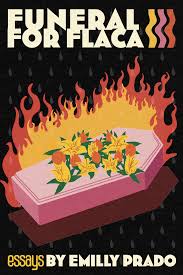
I’m so glad I finally got to read Funeral for Flaca. Emilly Prado’s collection of essays shows us a coming-of-age influenced by music, family, identity, interpersonal relationships, and so much more. With the inclusion of photos, influential song titles, and writing so open and personal, it creates a closeness that makes me feel like I definitely must have known her when I was growing up.
nostraDAMus 2032
by Jason Arias
(Broadstone Books)
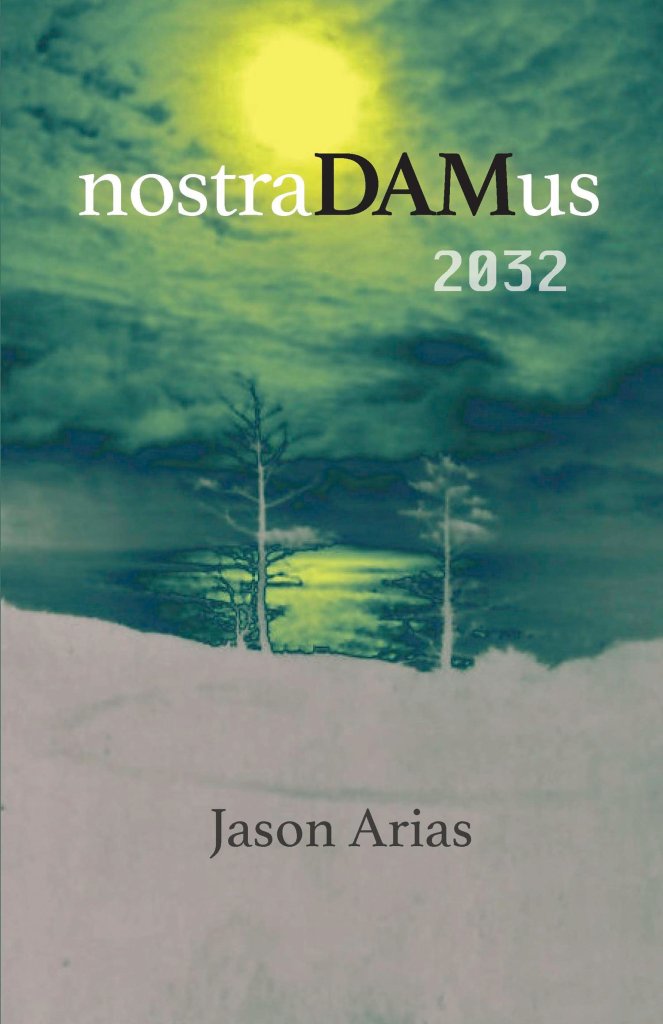
I love poetry that plays with form and perceived boundaries. Jason Arias’ nostraDAMus 2032 does this in a variety of ways—right down to the letter, punctuation, font, and even font size—as he explores relationships with one another and the impact of technology on human beings. It has definitely continued to stick with me after reading it.
—Zaji Cox, author of Plums for Months
Jellyfish Have No Ears
by Adèle Rosenfeld, translated by Jeffrey Zuckerman
(Graywolf Press)
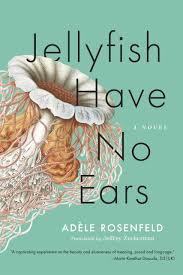
Sounds are alive in this wonderful novel of a woman with progressive hearing loss. The story is like a place (a jungle or herbarium) where sounds encounter ways of listening as characters in silence—silence being a form of time. Yes, ways of listening are characters! It’s brilliant! For example, listening through the serrated filters of post-traumatic stress takes the form of a ghostly or hallucinatory soldier, who functions in Rosenfeld’s novel as a real, embodied agent in and of the plot. And as deafness overtakes the narrator more and more, she learns that silence, far from being total emptiness or an absolute loss, is the temporal plane on which sounds live. She learns that the realm of the imaginary is inseparable from the realm of the sonic; and instead of allowing cultural preconceptions to determine what she hears or what she wants to hear, she invites her personal experiences with particular sounds to inspire her to reimagine the potential of language.
Prague, I See a City…
by Daniela Hodrová, translated by David Short
(Jantar)
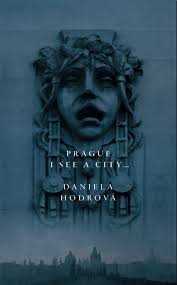
The “Prague text” (or should I simply say “Prague”?), in which the city’s haunted history and architecture are primary engines of story and agents of plot, is a Czech literary tradition dating back to the nineteenth century. In Prague, I See a City…, as the book says itself, “places imagine things … places make up their own stories, surrounding themselves with events that have never occurred.” Simultaneously fiction and nonfiction, this labyrinthine text is neither of those things as much as it is both; and as such, it is a city. Hodrová’s text is a city in all its laughter and devouring, all its history and sharp corners, its illusions and doppelgangers and deaths. I reread it as a prequel to rereading Hodrová’s trilogy of novels, City of Torment. All four books (not without risks) initiate themselves in magic. Thought becomes thing, word becomes entelechy, times are pressing together; and all this seeping is exhilarating but also dangerous: the author, by her own hand, slips out of herself into a fictional character of her own invention—and thence into another character of some stranger’s invention—as the communist era seeps into the medieval era at the foot of the Astronomical Clock …
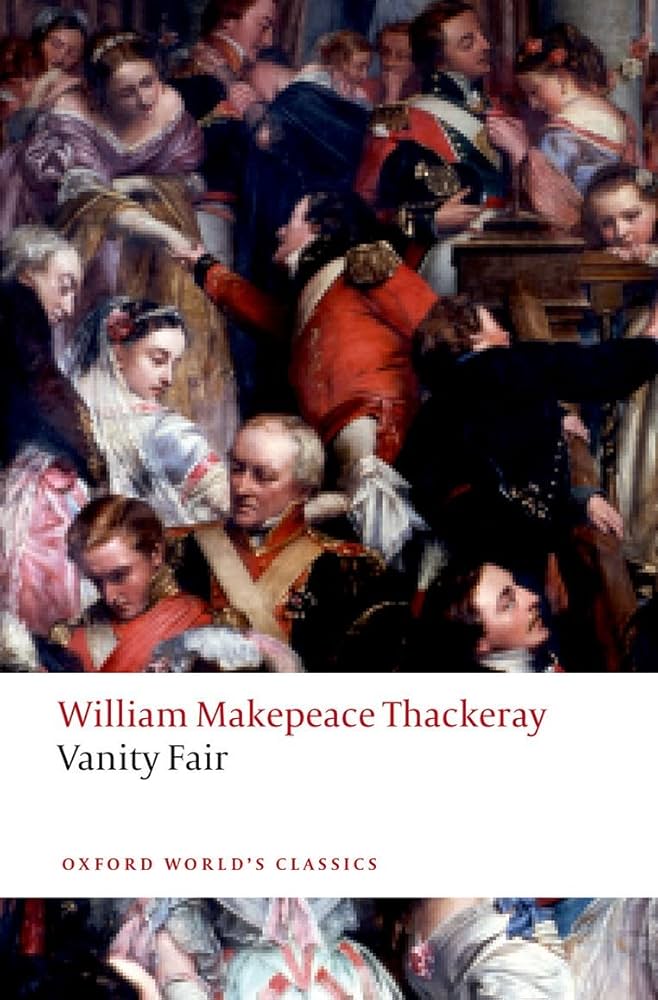
Vanity Fair
by William Makepeace Thackeray
(Penguin Classics)
Life swims into theater and theater into life in this, my first Thackeray encounter. His prose is beautiful and hilarious, blooming with riotous punctuation marks. He was recommended to me by Dostoevsky’s A Writer’s Diary (translated by Kenneth Lantz for Northwestern University Press); and in the madcap pacing of Vanity Fair, the walking contradiction that is each and every character, all the gambling for the highest possible stakes, and the endless posturing upon the stage of “life,” I can see how Dostoevsky might have been inspired. Nobody in this novel acts according to their own convictions but does what they think “looks” best in the eyes of everybody else: where “everybody else” is nobody in particular but a clichéd preconception of some artificial construction, such as “what a woman should be.” And if you’re looking for “relevance,” that is, some sort of mirror of twenty-first-century Anglophone politics, look no further than Thackeray’s boldly calling out the “enslavement” of women to the marriage yoke and childbed; and the wholesale shunning of his heroine when she must make her way through life alone.
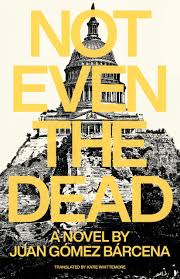
Not Even the Dead
by Juan Gómez Bárcena, translated by Katie Whittemore
(Open Letter)
This novel—a virtuosic feat of imagination, genre-bending narration, and translation—I read at the beginning of the year, when it bedded down in the forefront of my thoughts. The story begins in the sixteenth century, in the Spanish colony that would become Mexico, in keeping with which Bárcena presents the first part of the novel in classical Castilian Spanish. Whittemore’s translation uses not sixteenth-century English, which to many readers today would have seemed awkward if not unintelligible, but a beautiful flowing English with quietly archaic overtones. Reimagining time as a phenomenon of space, such that his protagonist can literally walk the centuries as he trudges northwards through the deserts, Bárcena gradually updates his Mexican Spanish as Whittemore does her American English. Images, passages of text, of horror and hope, recur as imperialist oppression reincarnates again and again in one ideological costume after another. And the protagonist trudges on, in search of a reason.
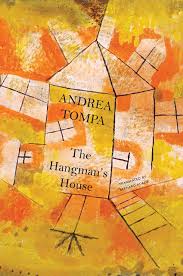
Andrea Tompa’s extraordinary novels, The Hangman’s House, translated by Bernard Adams (Seagull), and Home, translated by Jozefina Komporaly (Istros), both from Hungarian, are best read in that order. The first takes us through the history of twentieth-century Transylvania up to 1989, the latter through the 1990s to the present day. The characters are based on the author, her family, and her friends. But Tompa’s work is not just autofiction: both books are intricate orchestrations of language—of multiple languages, in fact, as one of things that’s most at stake is the characters’ native tongue. Before 1920, Transylvania was part of Hungary; then, until 1940, it belonged to Romania; it was Hungary again until 1945; and since then, it has belonged to Romania. You could become a foreigner overnight by going nowhere; and just as suddenly, the official language of your country, which you were required to speak, fill out forms in, take exams in, and so on, was no longer the language that you’d learned from your parents. Overnight, Hungarian became illegal, even for those Transylvanians who knew nothing else. So what is a “native tongue”? Are not “identity” and “foreignness” just as arbitrary? Tompa and her translators immerse the reader in a world of quivering tongues: an entire chapter may race through in a single sentence as if in fear of its own illegal language; a phrase may be as unintelligible to us, untranslated from Romanian or cursive Cyrillic, as it is to the characters, all of whom are at the mercy of imperialist whims.
—Mandy-Suzanne Wong, author of The Box and Awabi
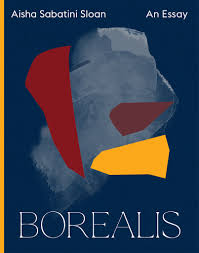
Borealis
by Aisha Sabatini Sloan
(Coffee House Press)
In this long lyric essay in fragments, grounded in her experience a Black woman alone in blindingly white Homer, Alaska, Sloan meditates on art, memory, music, nature, queerness, Blackness, freedom, incarceration, and more. Both tender and irreverent, Borealis is a palate cleanser to the preciousness of nature writing and the self-importance of travel writing, an exercise in close attention to a rich interior landscape that dwarfs the grandeur of sea and glaciers, a chronicle of a lively mind roving in time and place.
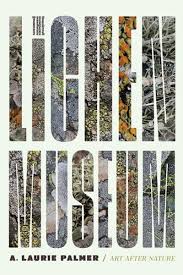
The Lichen Museum
by A. Laurie Palmer
(University of Minnesota Press)
Rather than read this book, Palmer suggests, go outside and take time to be with this mysterious, ubiquitous, overlooked lifeform. Lichens, she argues, defy human concepts of individuality, competition, and mortality, and might teach us something about how to be better humans. In the meantime, in stopping to look, in choosing to be slow, nonproductive, and nonconsumptive, we practice other ways of being.
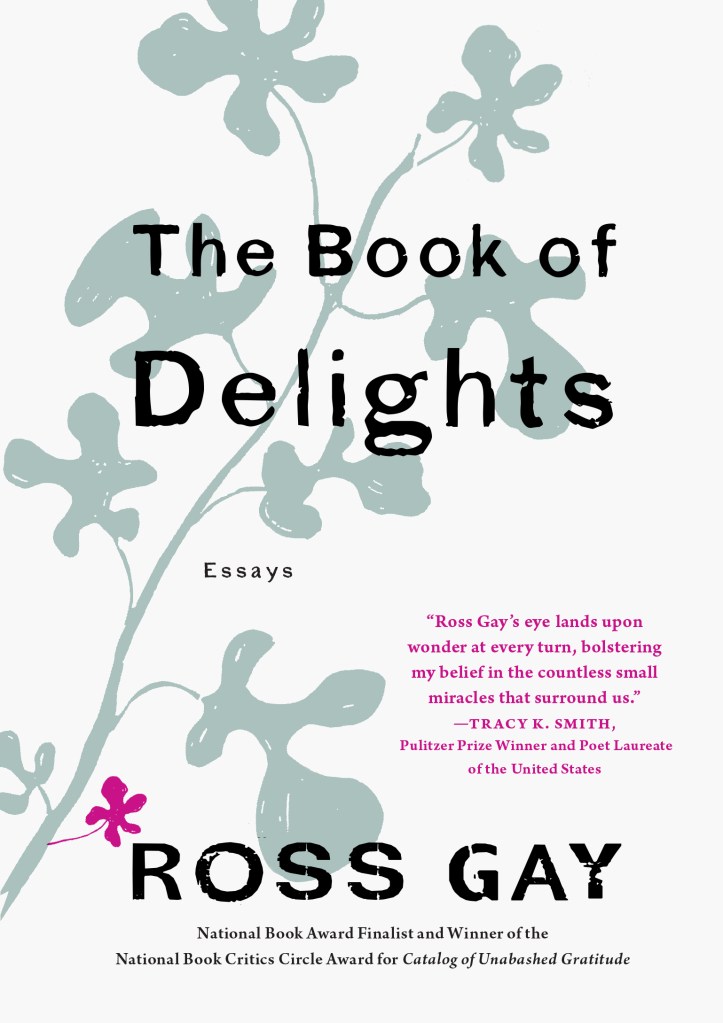
The Book of Delights
by Ross Gay
(Algonquin Books)
I did not read this book this year for the first time, but I returned to it while searching for a short essay students could read and discuss in a single class, and I wound up wanting to teach the whole thing. Each brief dispatch in surprising delight—from public sleeping to gardening to “reckless air quotes”—is yes, delightful, but also poignant, layered, and politically astute. It’s a subtle and sneaky book that rewards close attention, worming its way into your heart and under your skin. I have a feeling that we’re going to need more of this creative, joyful resistance in the months and years to come.
—Emily Strasser, author of Half-Life of a Secret
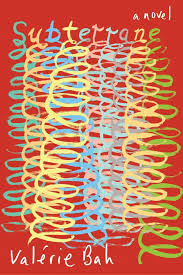
Subterrane
by Valérie Bah
(Vehicule Press)
A speculative comedy comprised of a carousel of Black and Queer voices being pushed further underground by urban prosperity.
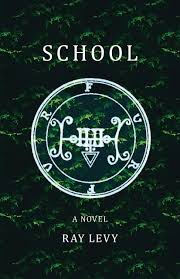
School
by Ray Levy
(FC2)
A formally fluid phantasmagoria, Ray Levy’s School performs an exorcism on academia and births the artist as demon.
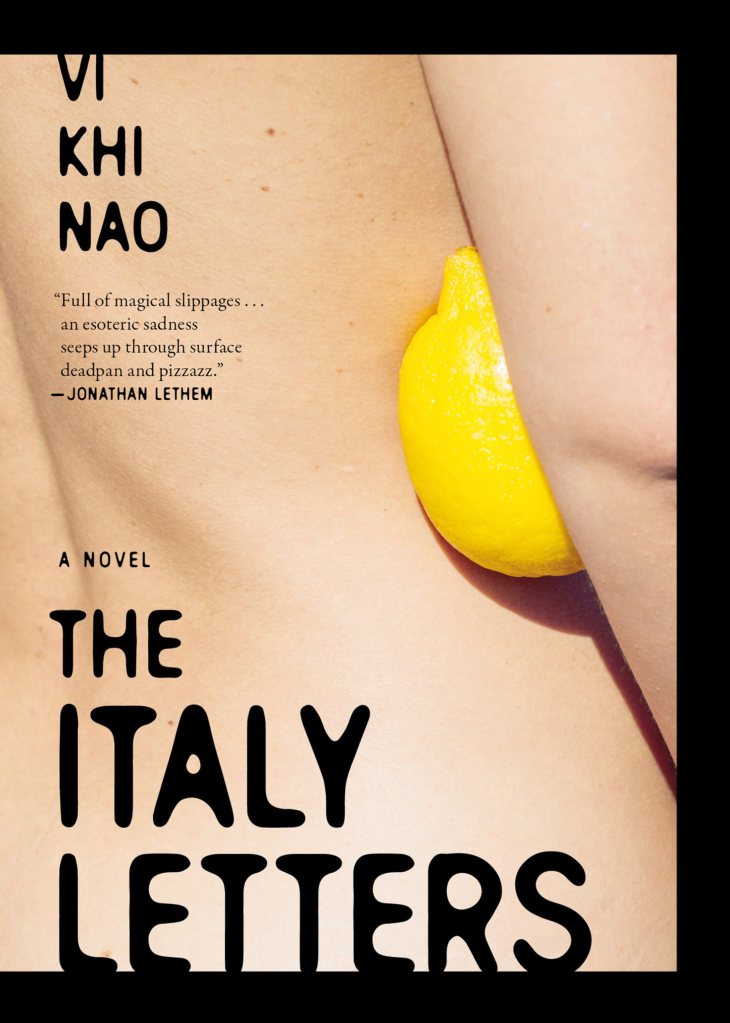
The Italy Letters
by Vi Khi Nao
(Melville House)
Nao weaves an unforgettable and highly distinctive story of a love affair suffused with longing, erotic passion, and heartbreak—all while painting a picture of the gritty underside of Las Vegas.
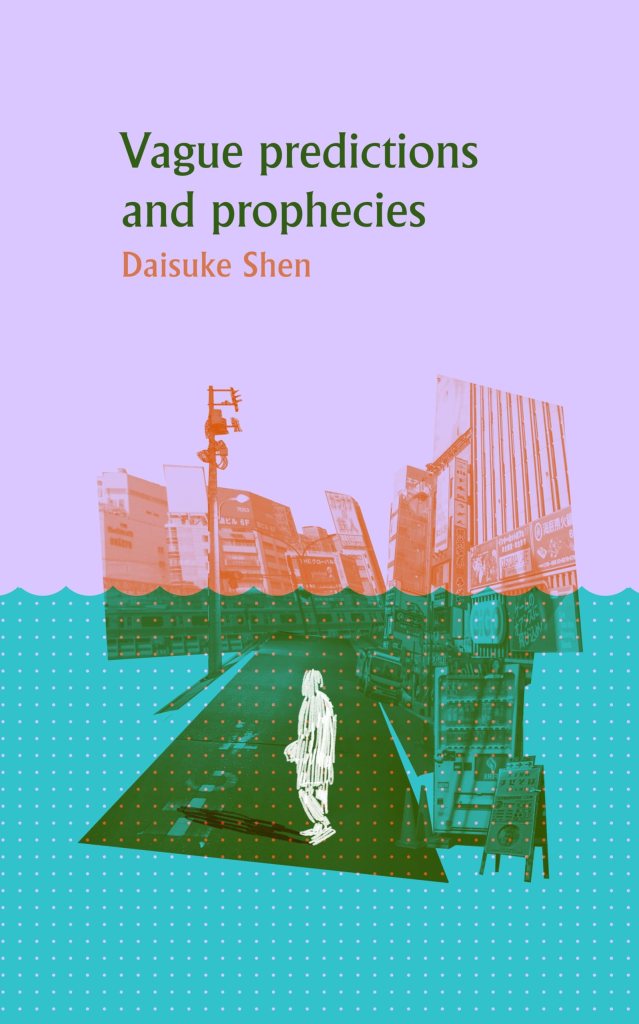
Vague Predictions and Prophecies
by Daisuke Shen
(Clash Books)
A debut collection of stories from author Daisuke Shen, wherein divine beings and humans alike must rely on omens to navigate the unpredictable lives they find themselves inhabiting.
—Jessica Alexander, author of That Woman Could Be You and None of This Is an Invitation
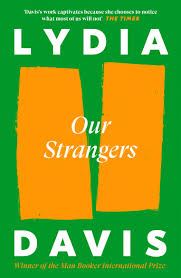
Our Strangers
by Lydia Davis
(Bookshop Editions/Canongate)
To describe Lydia Davis’ work would take more words than she allows herself.
The Braille Encyclopedia: Brief Essays on Altered Sight
by Naomi Cohn
(Rose Metal Press)
As Cohn’s book so clearly proves, sight and vision are not necessarily synonymous. Having begun to lose the ability to see at a young age, the author recounts in this abecedarian (what a great word!) collection how she developed new ways to understand the world as her condition progressed. As she states in a meditation on Vermeer’s “The Woman in Blue Reading a Letter,” “Who cares what is on the letter? Look at how Vermeer makes folds with paint. Look at the intensity of his looking, how he chose what to see.” Choosing what to see is at the core of this wonderful book.
—Patrick Parks, author of Tucumcari
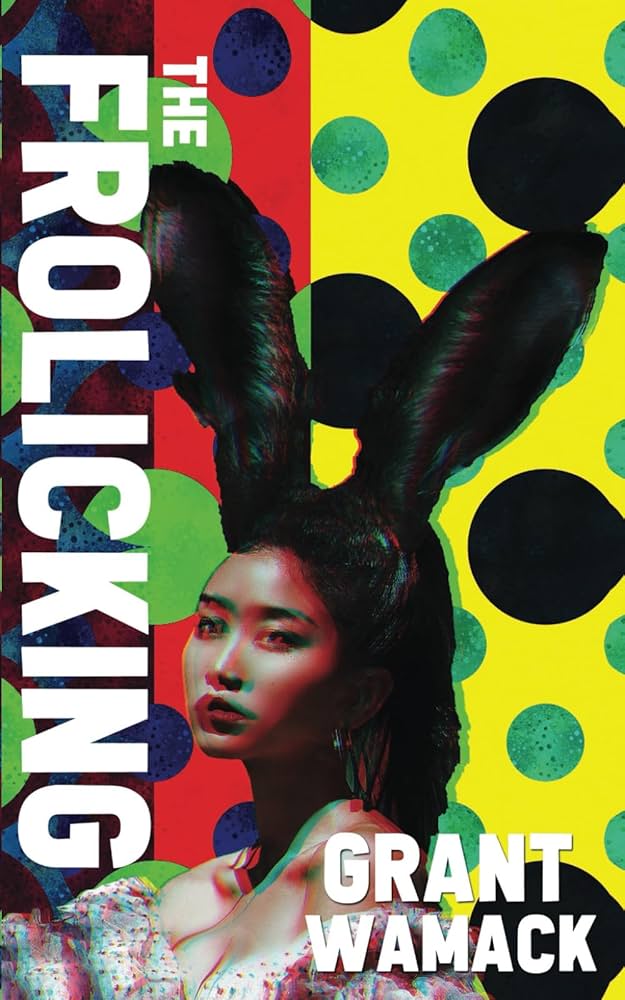
The Frolicking
by Grant Wamack
(Broken River Books)
I personally love the “four similarly-aged women from various backgrounds are friends” genre. This book is like Mindy Kaling’s The Sex Lives of College Girls, except one of the women is a psychotic recluse who lures people to her compound and drugs them, blaming the rabbits. There is a lot of bunny-related content, which is always a plus.
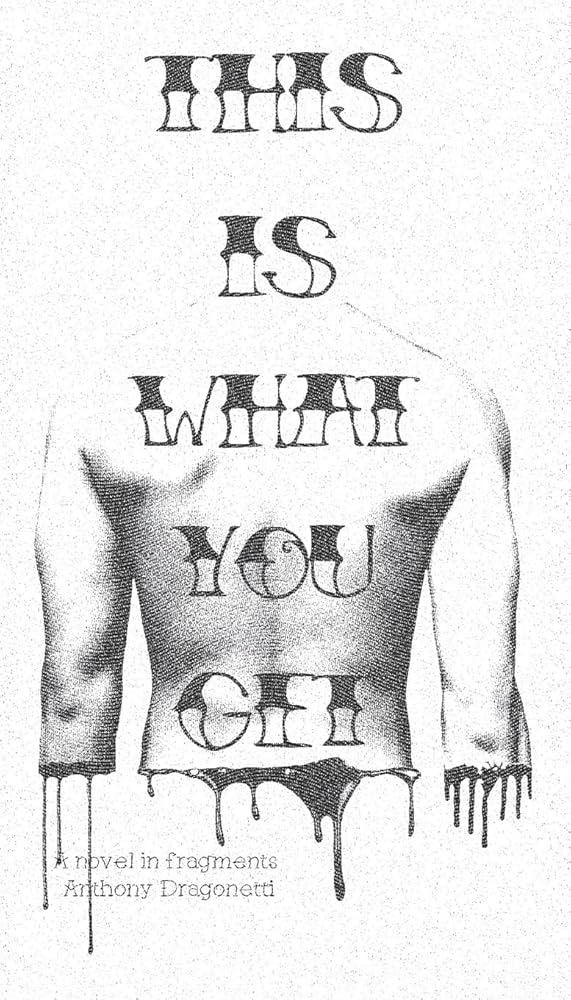
This Is What You Get
by Anthony Dragonetti
(Feral Dove)
A novel in vignettes. This feels like a push and pull between anxiety and vulnerability, where it’s only sometimes possible to articulate what the narrator is feeling, because they are distracted while in the throes of processing some apparent imminent threat. As soon as you relax, that’s when the heartbreak happens. A fun way to read about a terrible way to live.
Mirror Translation
by Meghan Lamb
(Blamage Books)
Forthcoming from Blamage Books. I had the pleasure of meeting Meghan Lamb this fall, after reading an advance version of this forthcoming story collection. She is a diablotin, a word I learned in French class that semi-translates to “imp,” except the French version is more accurately diabolical. These stories are little tricks—and not harmless. She will poke you in the soul.
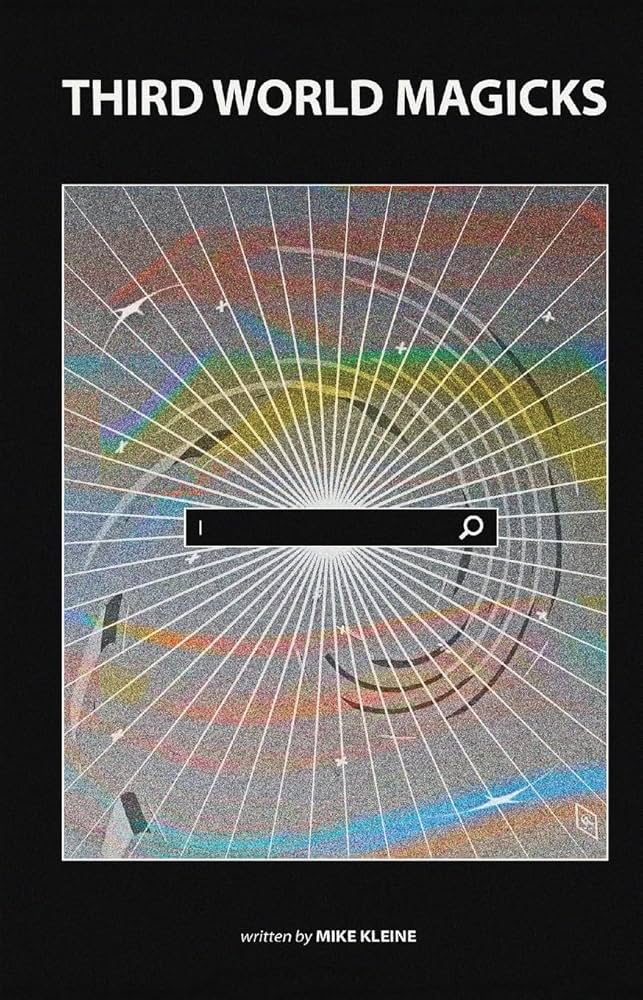
Third World Magicks
by Mike Kleine
(Inside the Castle)
Mike Kleine never misses. The last one of his I read was two versions of agbogbloshie side by side, because he released versions with two different colored-covers, and I had to see where he’d hidden the differences between the texts inside. Third World Magicks is similarly intentional, and I will gleefully read through the eight-page list of musicians that Kleine lists as having come up in a single conversation, because I truly believe he wrote all of that on purpose, because that is how the conversation he is describing actually went (in the context of the book, of course).
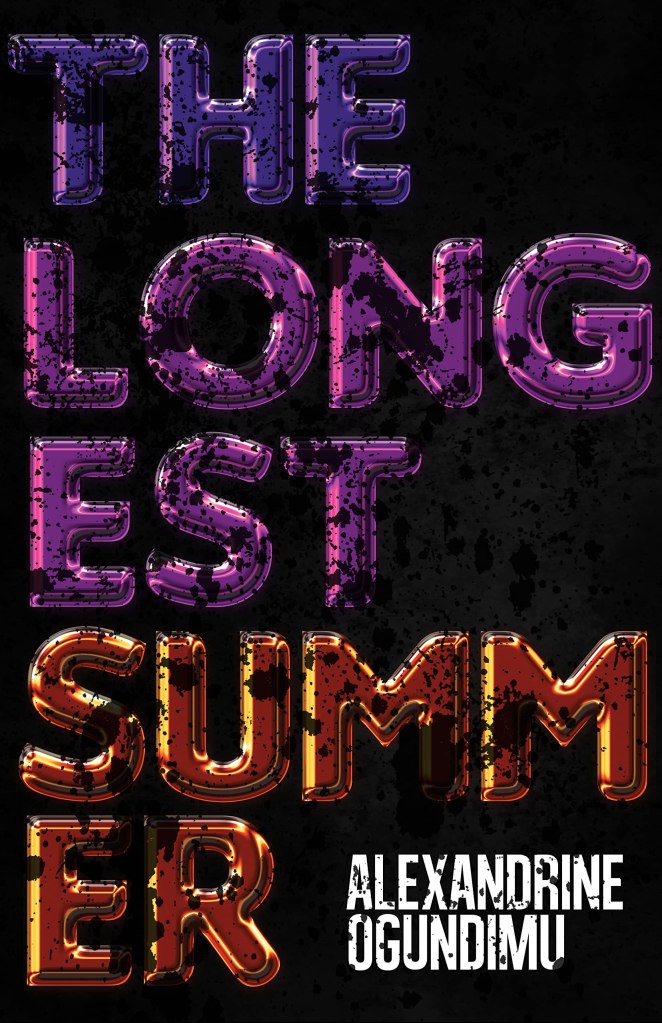
The Longest Summer
by Alexandrine Ogundimu
(Clash Books)
I wrote a blurb for this book, and I won’t stop telling people to read it until everyone has. Ogundimu consistently produces visceral prose, and The Longest Summer, her most extended work to date, is her first masterpiece. The dinge of the Midwest and the despair of its inhabitants shine through, alongside a profound alienation. Humanity is reduced to a corporate script, while personal connections flounder under the weight of economic oppression, bigotry and surreal external forces. It feels like an environmental evil is persecuting the narrator, and its effects penetrate to the micro-personal level. Someone willed this hell into existence. A feel-good summer read.
—Charlene Elsby, author of Red Flags
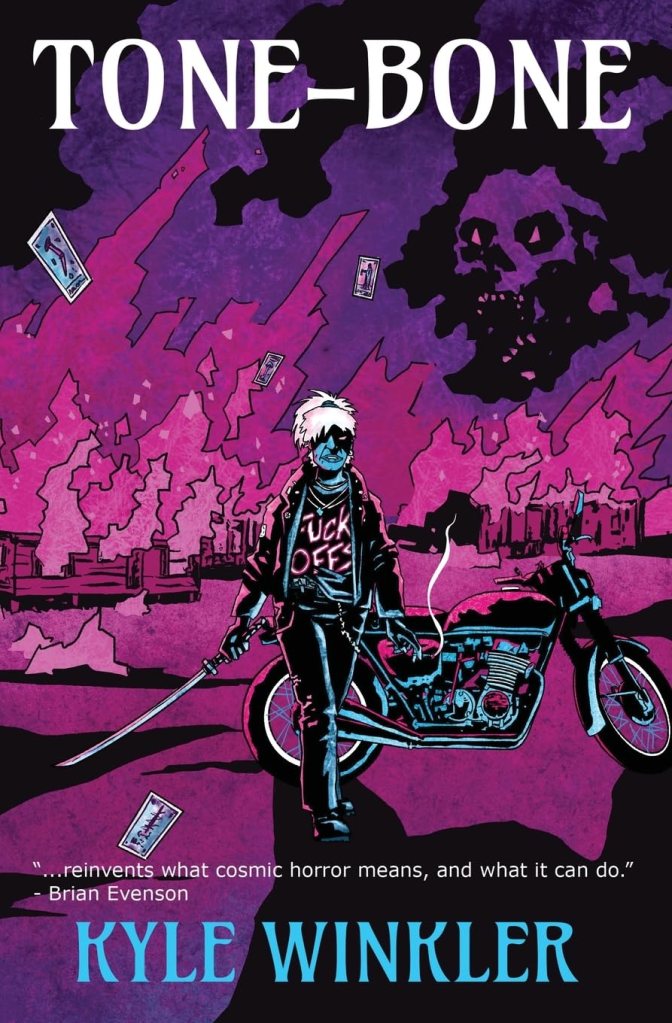
Tone-Bone
by Kyle Winkler
(Castaigne Publishing)
A surreal cosmic horror adventure through the cursed corners of rural America. Tone-Bone is fierce and strange, and has the energy of a midwestern version of the Panos Cosmatos movie Mandy.
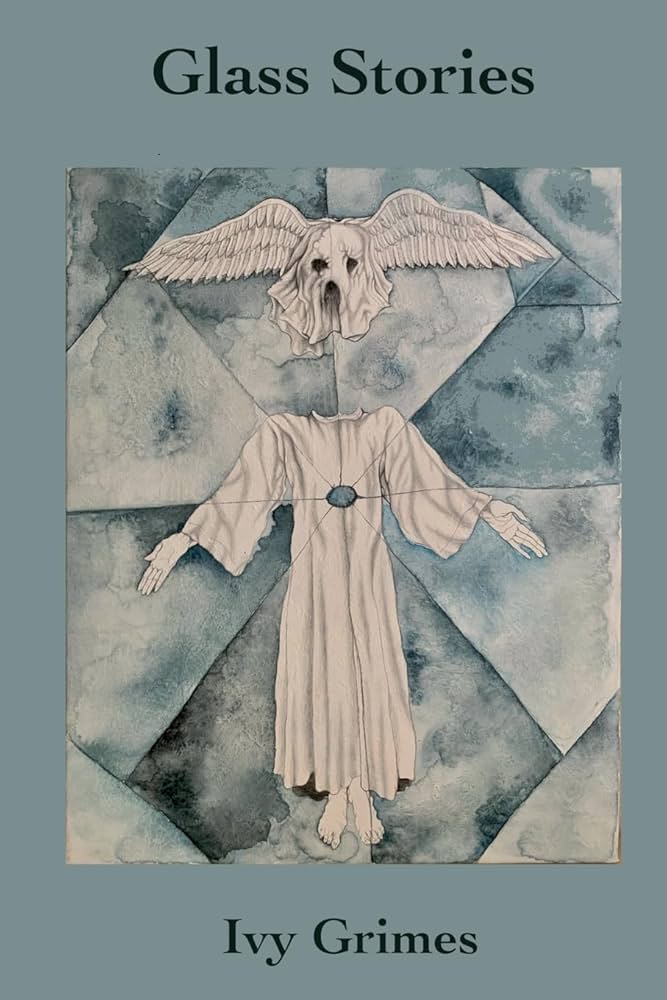
Glass Stories
by Ivy Grimes
(Grimscribe Press)
Crystalline and haunting, I love these succinct fairytale-nightmares. The disarmingly minimalist prose and the uncanny way these unsettling stories unfold call to mind the fiction of Brian Evenson and Kelly Link, but Ivy Grimes is doing her own unique thing here. A real treat for readers seeking something magical and strange.
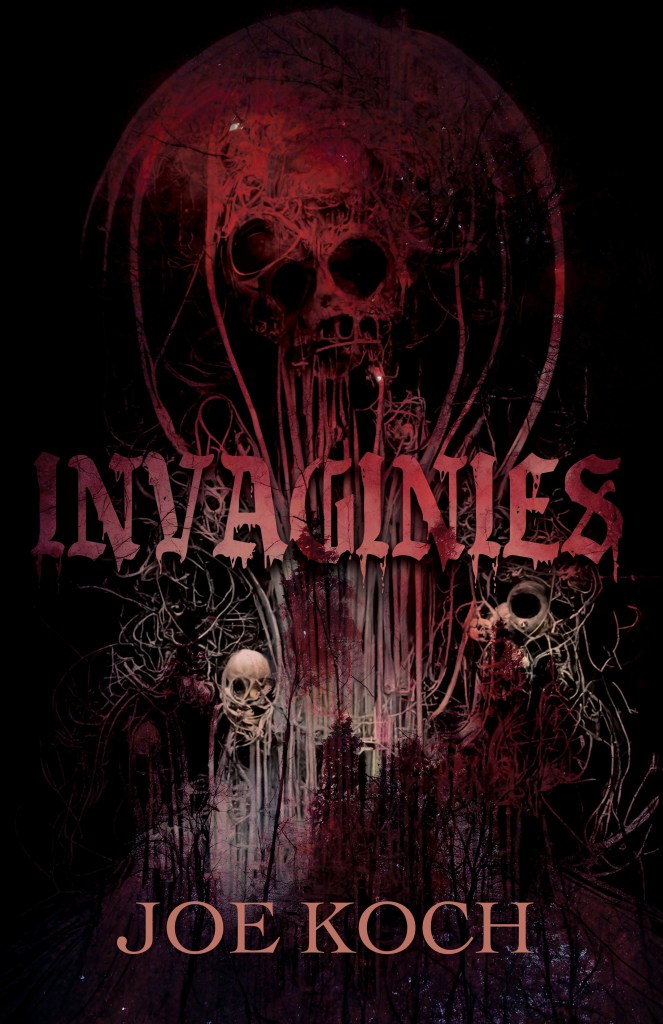
Invaginies
by Joe Koch
(Clash Books)
Invaginies broke my brain. Joe Koch’s exquisite, occasionally opaque prose works on one’s consciousness like fungoid rhizomes breaking down a stump. The erotic physicality of Joe’s stories, their dream logic, and their vividly grotesque yet cryptic scenes combine into an experience verging on the hallucinogenic.
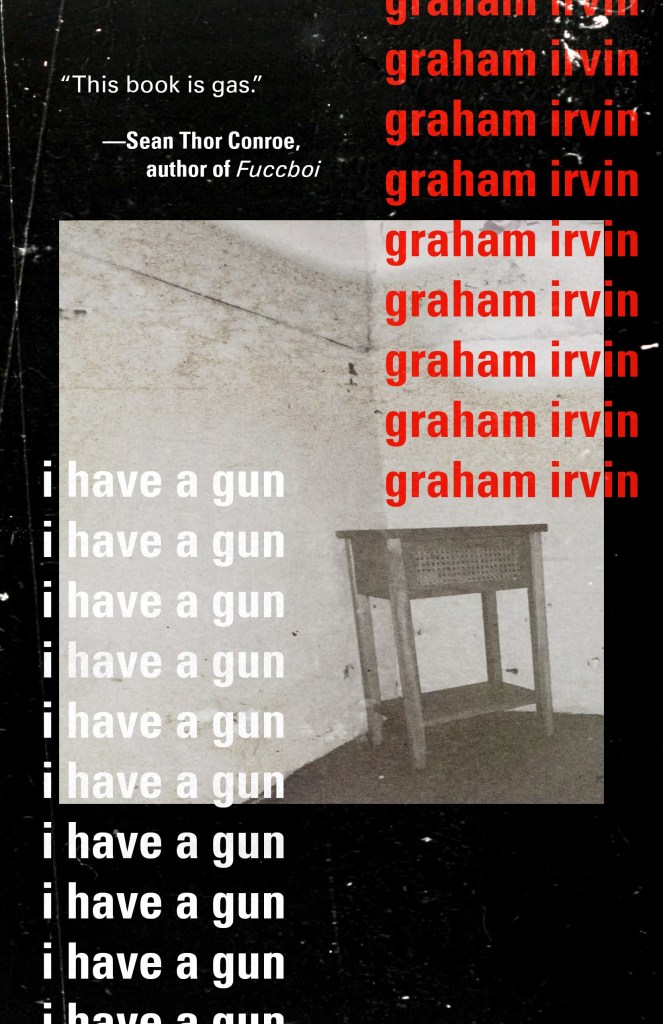
I Have a Gun
by Graham Irvin
(Rejection Letters Press)
I could read Graham Irvin’s prose all day. I Have a Gun captures the bleak absurdity of guns in the U.S. with warmth and hilarity while somehow still treating the subject with the seriousness it deserves. (Which is not, to be clear, with absolute seriousness.)
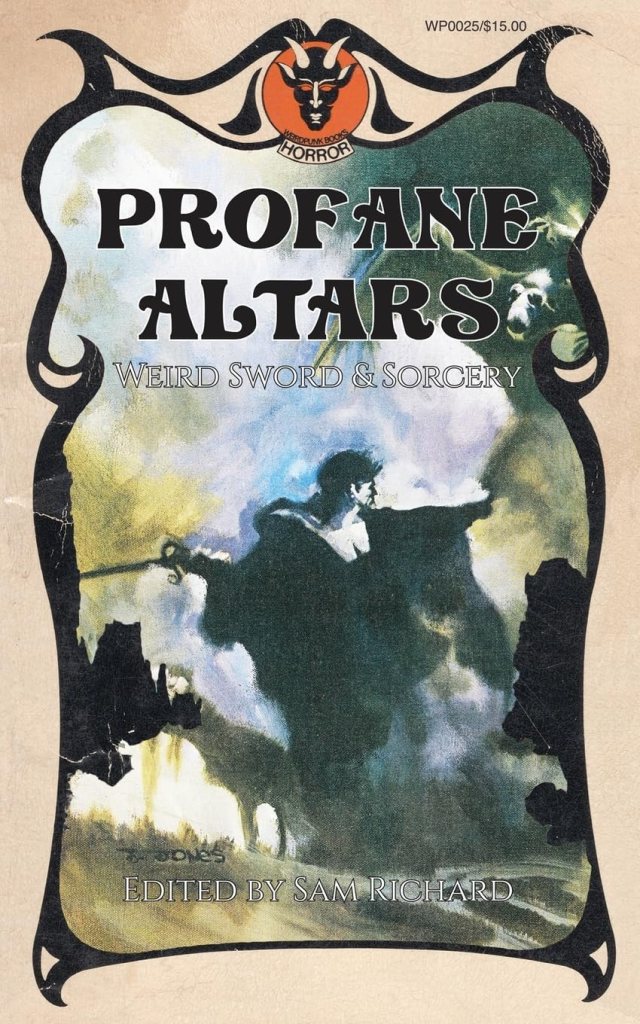
Profane Altars: Weird Sword & Sorcery
Edited by Sam Richard
(Weirdpunk Books)
I’m a sword and sorcery newbie, but this collection of seven brutal, magical, weird stories makes me want to make the genre a permanent part of my personality. There is grief and wonder and more than a little ultra-dry humor here. A book for when daily life feels like a cursed quest, which is pretty much all the time now.
—Rick Claypool, author of Skull Slime Tentacle Witch War
Gwenda, Rodney
by Olivia Cronk
(Meekling Press)
Cronk is, by her own admission, a poet of the junk drawer: she pulls her poems together from forgotten scraps. Among those scraps: genre itself, particularly abject, popular genres—horror, science fiction, soap operas. Now she turns herself to the novel, and produces one of the best recent installments in that most slippery of genres, the poet’s novel.
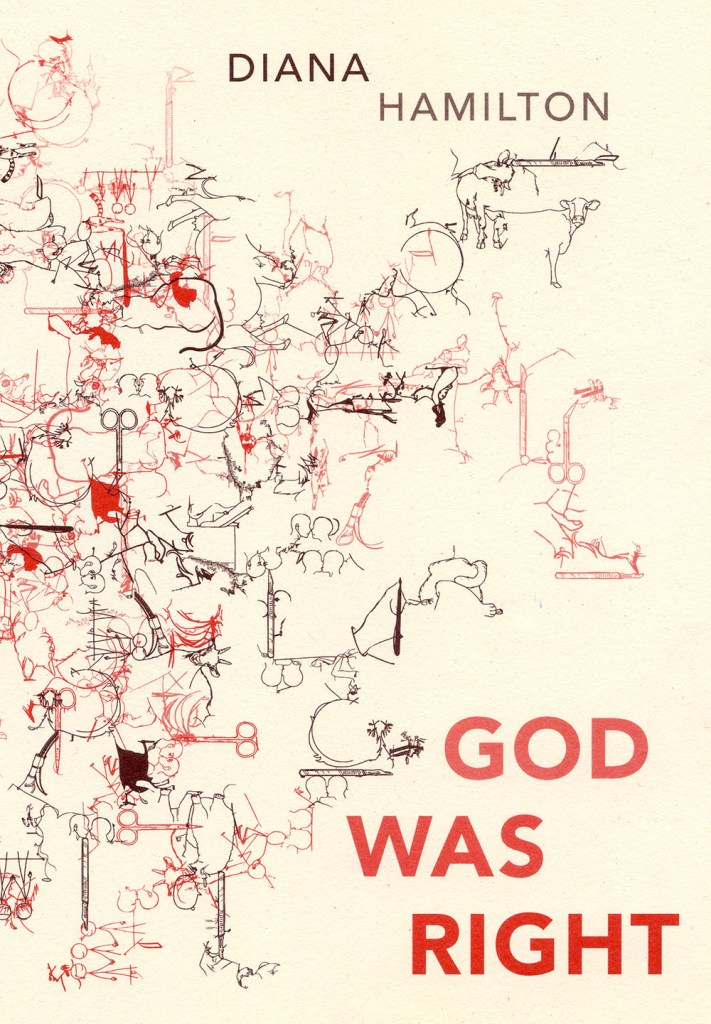
God Was Right
by Rainer Diana Hamilton
(Ugly Duckling Presse)
I’m super late to this book, obviously, but honestly—it’s just so good. Hamilton makes a lot of smart arguments about here (this is one of those books where your main experience is just, like, yup); but the book itself is an argument for the experiencing the absolute fullness of literary pleasure.
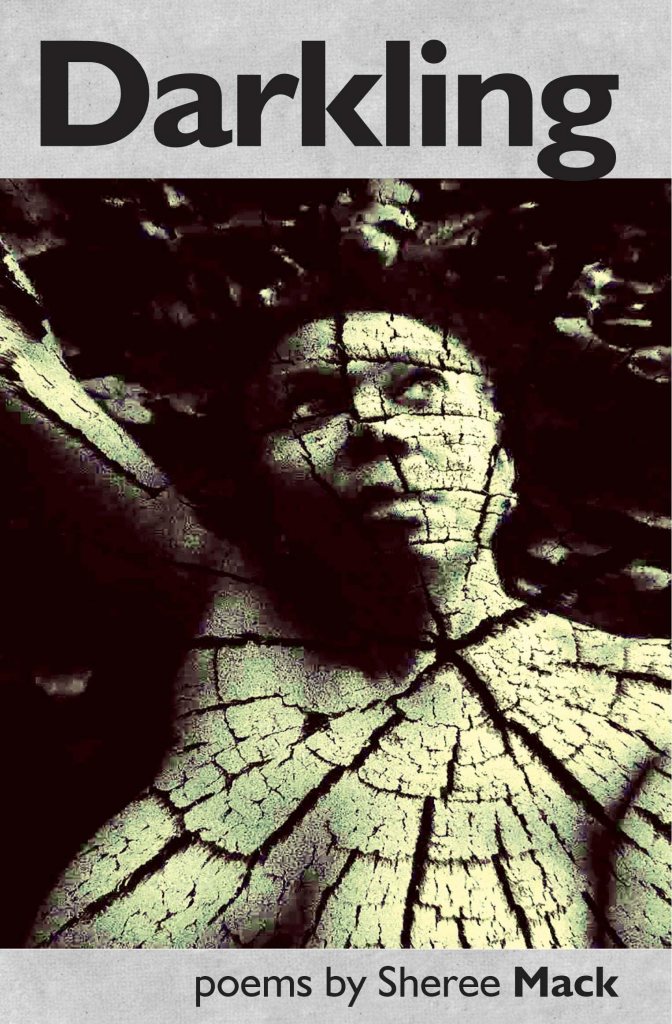
Darkling
by Sheree Mack
(Smokestack Books)
The U.K.-based poet Sheree Mack (who was, full disclosure, my student in a few classes at the Lighthouse Writers’ Workshop) is not yet well-known among U.S. poetry readers, but she should be. Her work wrestles with some of the most demanding questions poetry can handle: how can we name, address, and heal from racism, its historical and present violence? What strikes me most about these poems is the precision and the lyric heft of Mack’s voice. If these poem’s tackle abstractions, overwhelming historical forces, they do so from the grounding of a single, utterly individual, voice, crying out in the storm.
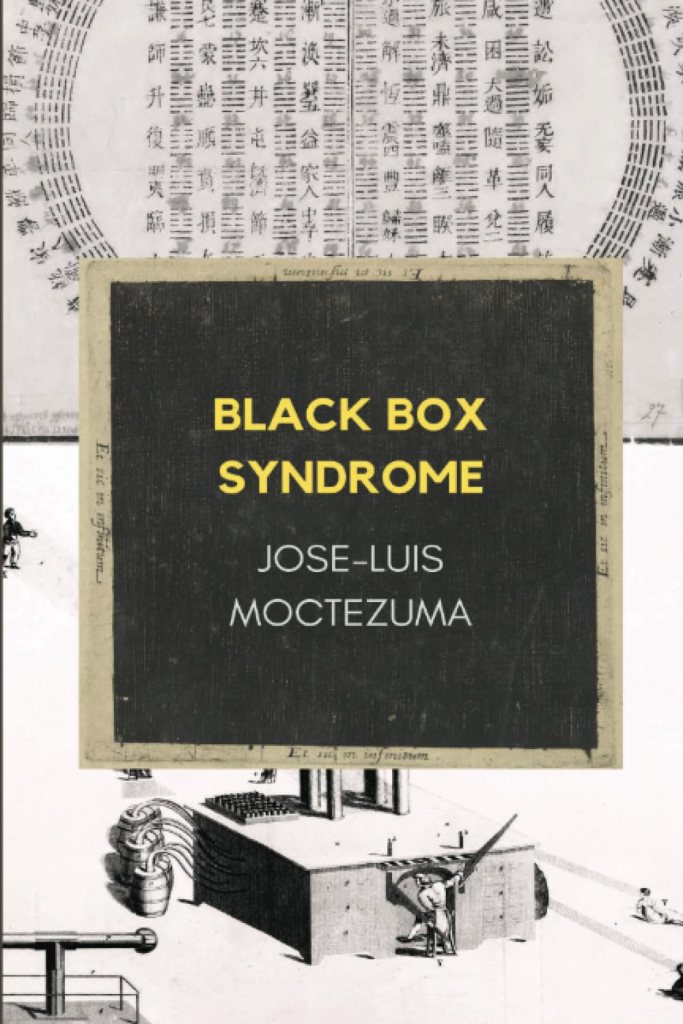
Black Box Syndrome
by Jose-Luis Moctezuma
(Omnidawn)
Moctezuma’s first book, Place Discipline, was a dizzying ride through the hyper local and the absolutely global; the nuances of Chicago history and the vast, illegible movements of global finance capital. His new book, Black Box Syndrome, picks up where he left off—these poems are, still, dizzying in their intellectual scope and ambition—but adds a wrinkle: a tight formal constraint which limits the poems to tight six-line boxes. The result is like watching someone arm wrestle with themselves: a prodigious display of power, energy, and constraint.
—Toby Altman, author of Discipline Park
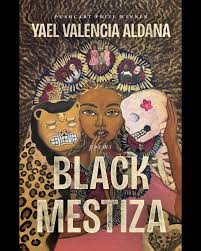
Black Mestiza
by Yael Valencia Aldana
(University Press of Kentucky)
Yael Valencia Aldana’s upcoming poetry book Black Mestiza is hands-down one of the best poetry books I’ve read in some time. Probing the nuances of ancestry, familial pain and joy, the ramifications and desires of love, Aldana’s poems sing, suture, soar. She celebrates a communal love that is “distilled into this one casing of corpuscles.” The speaker is crystal clear and evocative, the questions about intracultural love and Spanglish, about naming and reclaiming names are wonderfully depicted. I’m a fan of Aldana and can only foresee wonderful things coming her way.
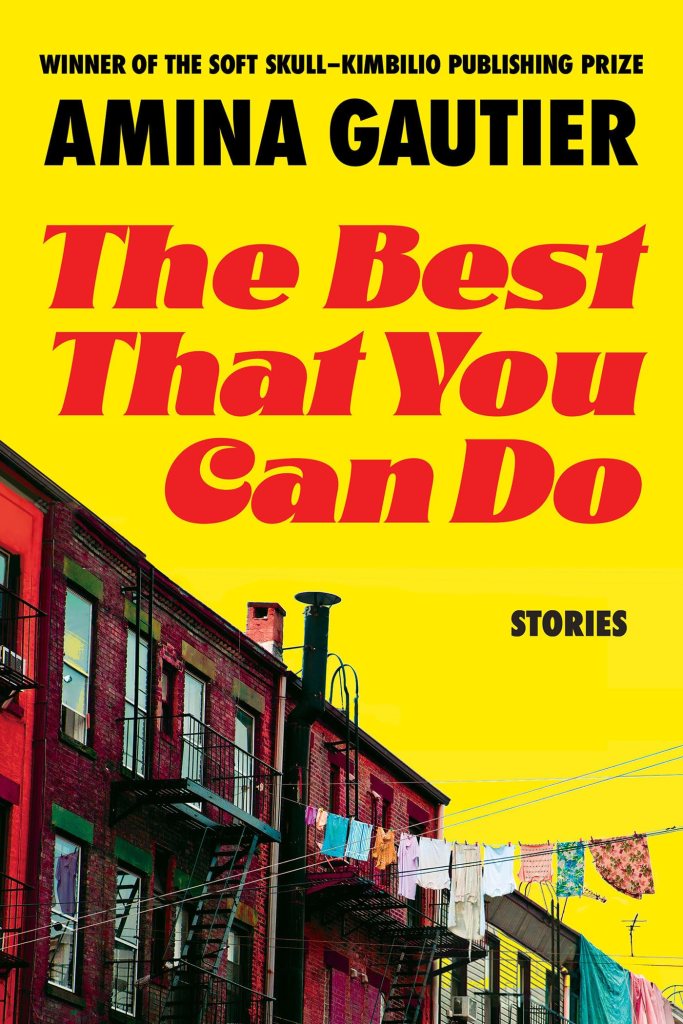
The Best You Can Do
by Amina Gautier
(Soft Skull Press)
In this short story collection, winner of the Soft Skull-Kimbilio Prize, some pieces bite-sized, others longer, Gautier brilliantly examines the tensions between Black American and Puerto Rican communities, diaspora, familial tensions and all kinds of love. A master of the craft, Gautier is able to weave in and out of a variety of points of view with delectable attention to the human heart and what it means to belong everywhere and not fully anywhere. There is a great love for Gautier’s characters in this collection that is clear and lovely. Intimate, culturally complex, delightfully sly and offering a sancocho of fully realized characters, this one is a winner.
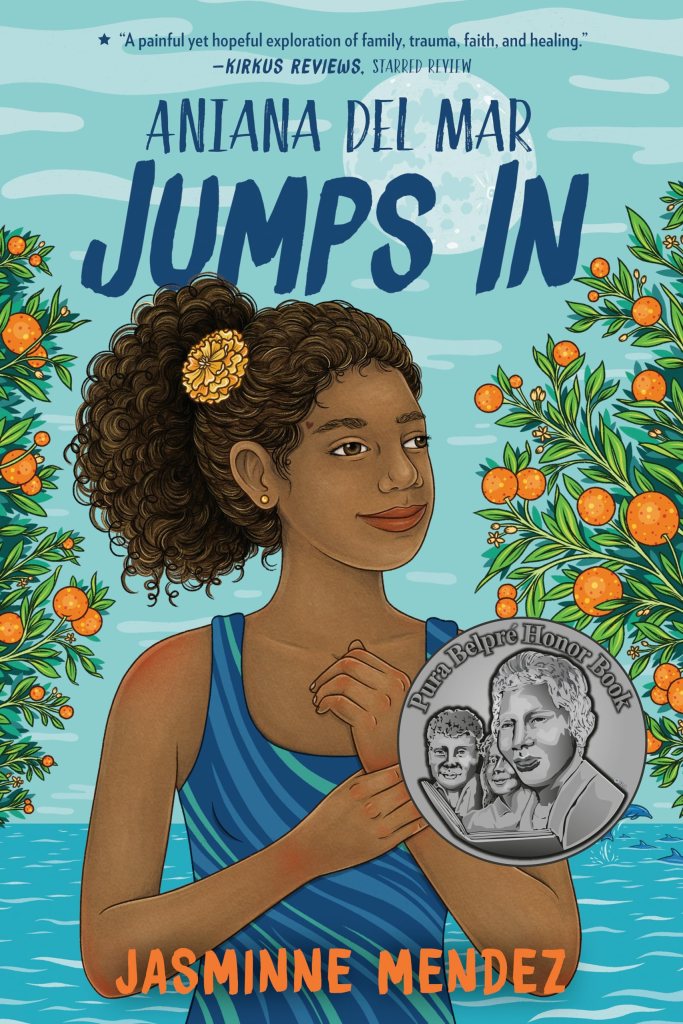
Aniana del Mar Jumps In
by Jasminne Mendez
(Penguin Random House)
In Mendez’s Aniana del Mar Jumps In, winner of the Pura Belpré Author Honor Award, the multi-genre writer explores the yearnings of a young girl with chronic illness who loves the sea and her family. With a remarkable momentum-building poems she explores the life of a tribe who supports, loves, chastises and raises a daughter who is looking for herself in Galveston waters. A love letter to the ocean, the Houston community and Black Latinas everywhere, this book made me swoon.
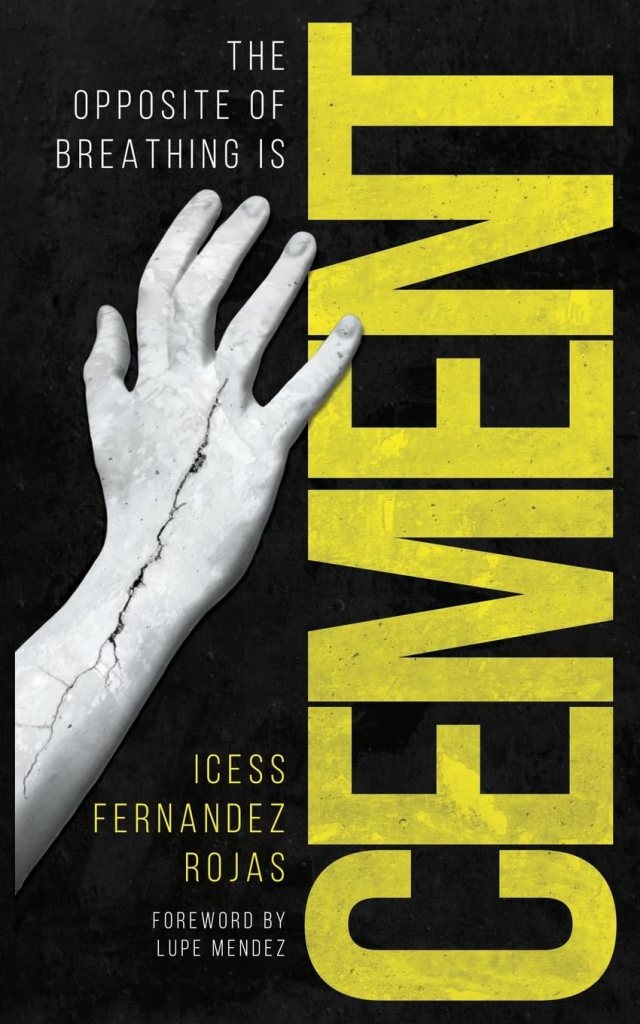
The Opposite of Breathing Is Cement
by Icess Fernandez Rojas
(Four Palaces Publishing)
Cutting, aching and engulfing, The Opposite of Breathing Is Cement is a book of poems that will absolutely gobble you up and leave you cleansed. Rojas, also a fiction writer, is at the top of her game in poetry that will shake and rock you. The poems wrench you in, love you, shake you, tell you your own story back to you. I’m consistently enamored with this poet’s work.
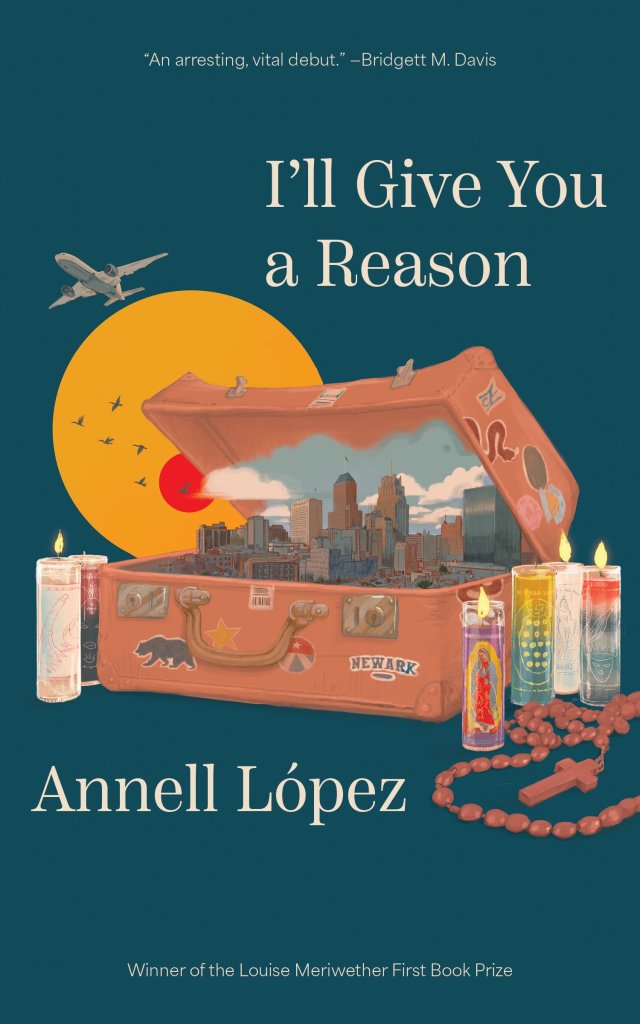
I’ll Give You a Reason
by Annell López
(The Feminist Press)
López’s sparkling short story collection, winner of the Louise Meriwether First Book Prize, immediately made me want to invest in anything she does next. In this collection, there are sweeping stories about immigration, the tensions between Black and white, doppleganglands, colorism and cultural displacement that all mix beautifully. The prose is crisp and inviting and I saw my own experiences represented in her sparkling writing. A must-read.
—Jennifer Maritza McCauley, author of Kinds of Grace
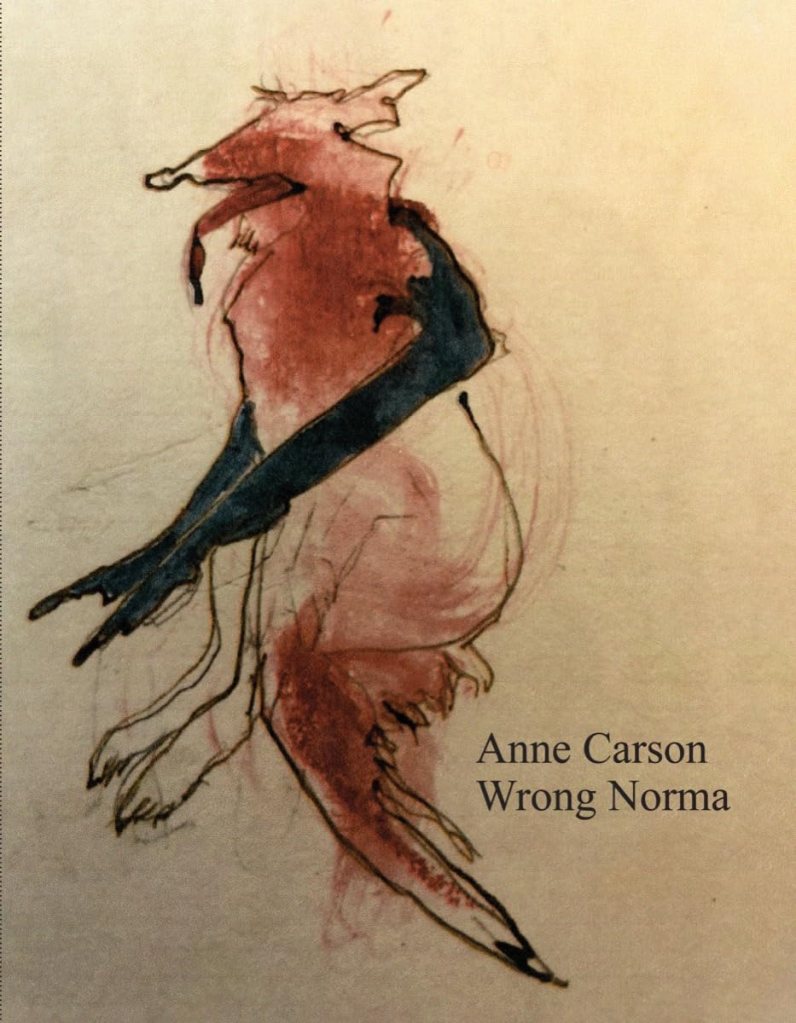
Wrong Norma
by Anne Carson
(New Directions)
Anne Carson is one of those writers who I immediately read whenever she brings out a new book, and Wrong Norma did not disappoint. At first glance, it seems to be a scrapbook of short prose pieces that she couldn’t fit into a longer work (some are no longer than what you might write on a postcard). But each reads as a prose-poem; it’s as if a very insightful poet gathered a scrapbook of short takes on a variety of things that came across her mind (e.g., restaurants, Plato, snow, the dictionary) and crafted each into a musing, a statement, an observation. Like all of her poetry, each offers linguistic thrills married to insight and humor. This book could be by your bedside like a book of daily prayers if it weren’t so well written and, often, very funny.
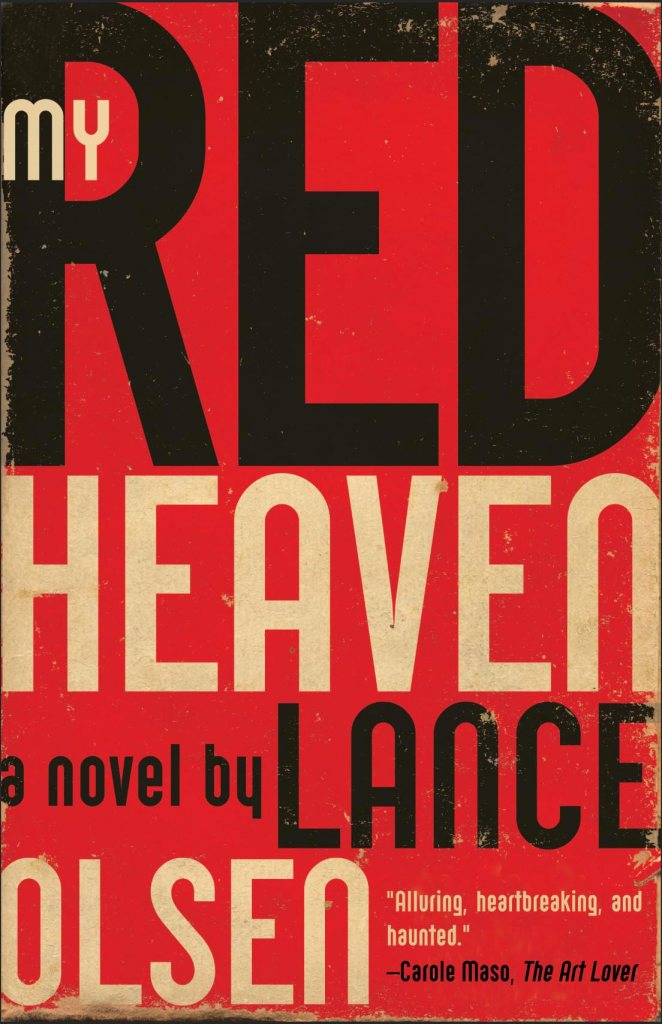
My Red Heaven
by Lance Olsen
(Dzanc Books)
Over the course of one day in 1927 Berlin, My Red Heaven moves from character to character like a game of telephone. Many of the characters are artists of one kind or another, be their medium words, film, physics, paint or buildings—thinkers like Werner Heisenberg, Vladimir Nabokov, and Ludwig Mies van der Rohe—who collectively helped give birth to modernism. The acts of characters and summaries of newsreels weave a tapestry of tiny events that might have enormous consequences years later. A woman and her lover in the forest might be disturbed by another couple out foraging mushrooms, who turn out to be Martin Heidegger and Hannah Arendt. A girl might die in a concentration camp and be reincarnated as a butterfly—that is accidentally stepped on. Reading this with the superior knowledge that those in 1927 didn’t have—we see the tragedy that is about to befall them, an historical reminder of the precariousness of society and how easily it can come apart with the rise of a fascist-wanna be like Trump.
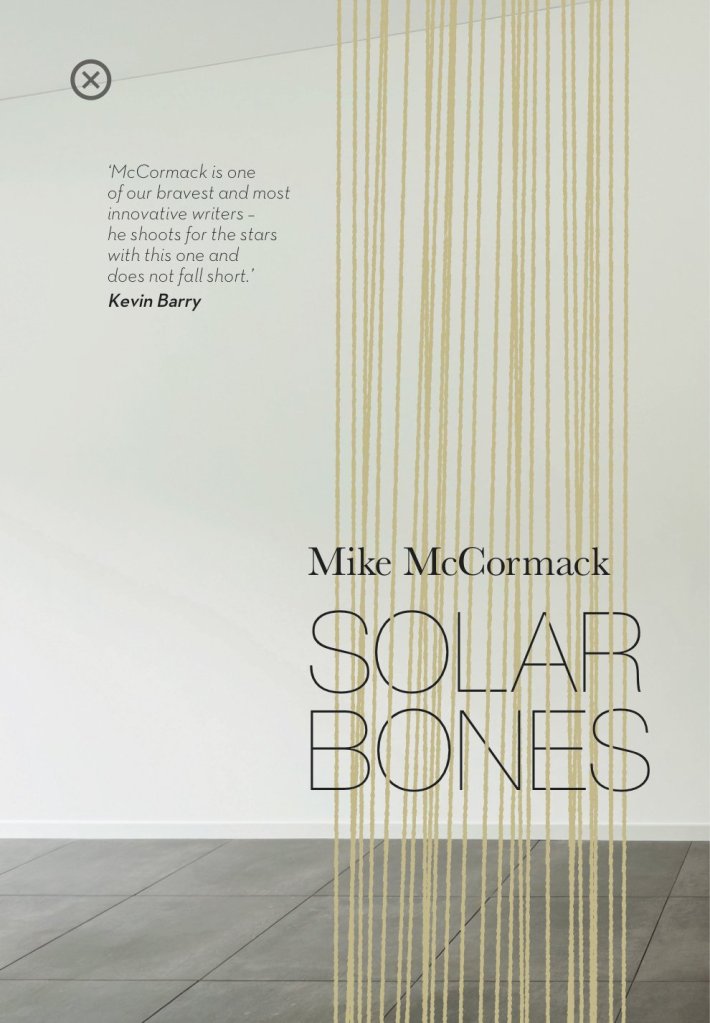
Solar Bones
by Mike McCormack
(Soho Press)
It wasn’t apparent (at least to me) that the narrator of Solar Bones is a ghost until the end of the book when he has a heart attack while listening to the obituaries on the radio. The single sentence that makes up this novel is less a stream of consciousness than the thoughts of a ghost sitting in a kitchen that holds a lifetime of memories for him. Looking out the kitchen window and seeing the world go on without him, the failures, the small victories of his life, memories of a lifetime with his wife, his adult daughter and son, rise up in him as a kind of résumé—of what? That is the question of the novel.
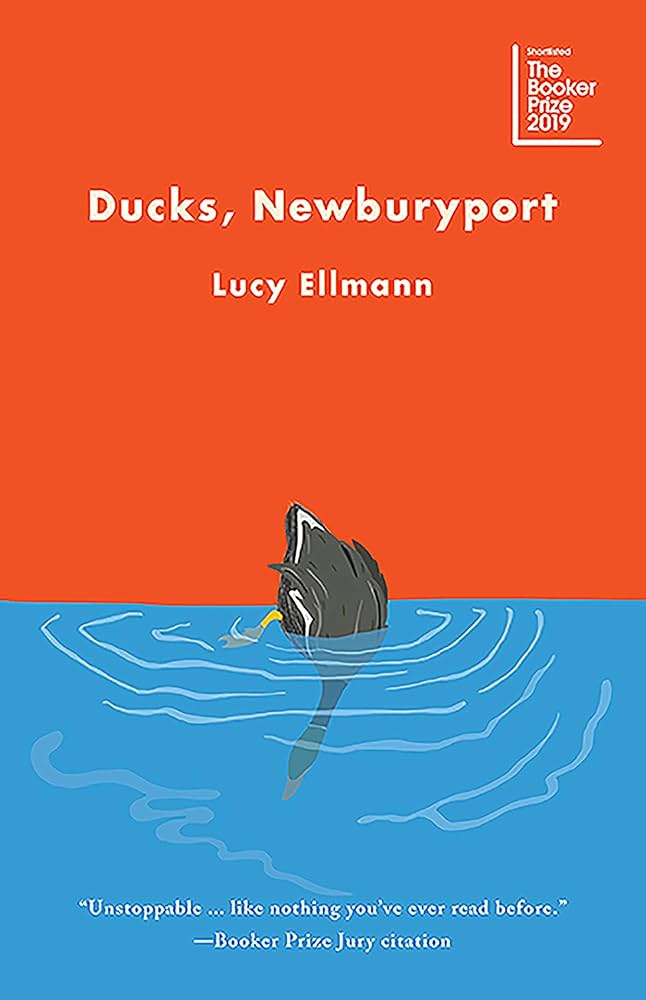
Ducks, Newburyport
by Lucy Ellmann
(Biblioasis)
What is it with single-sentence novels? (In addition to Solar Bones, mentioned above, the amazing novels of László Krasznahorkai come to mind.) Lucy Ellmann’s Ducks, Newburyport, is surely the queen of them though, considering its 1000+ page length. In any case, it’s hard to imagine another novel that captures the spirit of living in contemporary America as well as this one does: told as a series of facts (each fragment begins with the phrase “The fact that ….”) by a woman who lives in Ohio and worries about her family in the context of an America undergoing climate change, an epidemic of shootings, conspiracy theories, and all the rest of our cultural landscape, the novel reminds me of those classics that captured their time period (e.g., Hawthorne, Austin) only with a form that is thoroughly contemporary. If there could be such a thing as “The Great American Novel,” this novel would surely be on the shortlist. Just the word play alone is enough to pull a reader through it. I first read it when it came out, but am putting it on this list since this is the year I also reread it: it’s one of those books that makes you want to read it again as soon as you finish it.
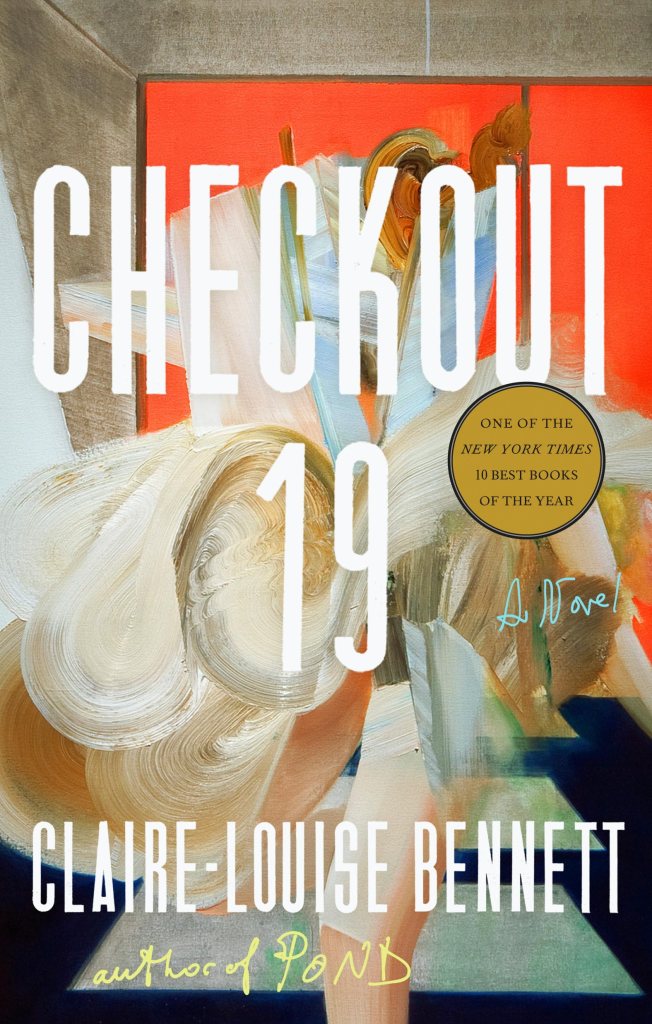
Checkout 19
by Claire-Louise Bennett
(Riverhead Books)
Metafiction without being metafictional, autofiction-esque without being autofiction, Checkout 19 reads like a series of first-person essays by a writer contemplating her life in books, and the rivers of digressions, webs of thought, childhood and adult humiliations, victories and other experiences that led to her being a writer, and the kind of snarky, hyper-observant, meticulously descriptive, ironic, deep and broadly read writer that she is, as she critiques what she has written, and what others have written, and the consequences of what all those words amount to, both to the history of literature, most of which she seems to have read, as well as the history outside the book. But the real pleasure of this novel is in the phrasings, the juxtapositions and digressions, which are surprising, sentence by sentence, by turns funny and poignant—a tour de force of what a series of sentences can do.
—Steve Tomasula, author of Ascension
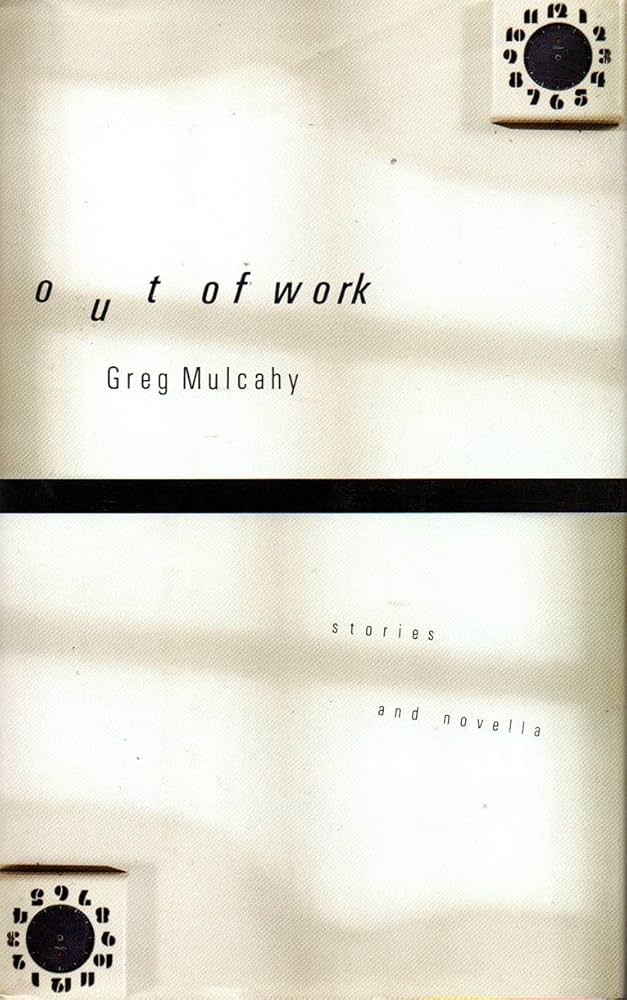

Out of Work
Greg Mulcahy
(Dzanc Books)
Claim: the most enjoyably bizarre book edited by Gordon Lish—which, if you know you know. Some of the books in the Lish School begin to sound a certain way to me—mouth mush—where others have ridiculously thin veneers such as brothers dueling over cows they love (like, really love). So I only found this one because of a library sale, but Bob Coover’s endorsement is not half cocked, the “Glass” novella is worth the price of admission. The story pits an artist against a Businessman of the Saved and a Businessman of the Damned as he lurches from surreal employment to surreal employment—this narrative drip needs to be experienced to be believed. With Out of Work, I can’t promise you will understand everything that occurs in a linear sense, but if you have worked a single day in your life you will feel every story beat like knives.
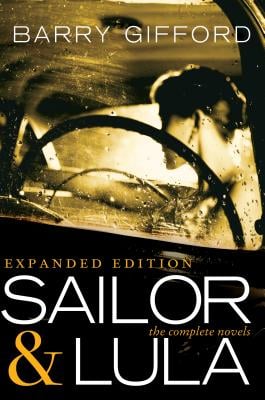
Sailor & Lula: The Complete Novels
Barry Gifford
(Seven Stories Press)
2024 spurred on a new curiosity with David Lynch properties adapted from literature or failed adaptations he turned to literature for. While I revile the movie version of Wild at Heart, I dearly love this operatic crime romance in book form. Another linkage is Álex de la Iglesia’s (dir. 30 Coins) bonkers adaptation of Perdita Durango, starring Rosie Perez, Javier Bardem, and Screamin’ Jay Hawkins (formidable). Fortunately Seven Stories Press is a big conduit for outsider writing and works well to promote the books of Mr. Gifford, who continues to write personal fictions about his avatar Roy, volumes of which I have seen lining bookstore shelves. Something in the water? I brought this behemoth to a library book club, where I was asked to give it a star rating, so I told them this book is the stars; you see this book in the stars when you look up. What do you see in the stars at night?
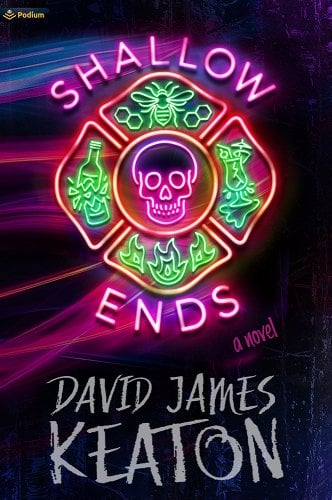
Shallow Ends
David James Keaton
(Podium Publishing)
Stories masquerading as a novel while also repackaging the madcap titular story from Our Pool Party Bus Forever Days (RIP)—and apparently based in some alternate universe experience the author had on the backroads of Kentucky—I feel genetically predisposed to gravitate toward Keaton’s singular output. If one author had to be crowned king of weirdos the world over after a backyard wrestling match, Keaton might take the belt. Come for: man believing he is a surfer exterminator dragging around a zombie shark with a bear trap for teeth a la Point Break, fisticuffs resulting from hours of unchecked drinking with absolute strangers, confessed schemes to rob the dollars off of dive bar walls, communing with spirits via spin the bottle in a hot tub, body disposal using the cover of rote factory labor—this book bursts into funfetti on open. Just make sure you know where your exits are when you board the pool party bus.
The M.D.: A Horror Story
Thomas M. Disch
(Knopf)
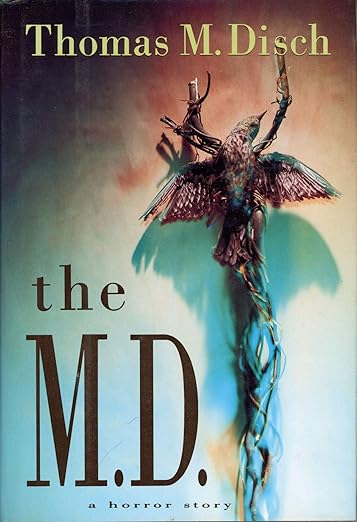
Disch is a poet and cynic tackling the mess made by the AIDs humanitarian response in the eighties while also pitching a completely unhinged American Psycho companion piece—where the ultimate power to heal, at the expense of hurting another stranger, is bestowed on a child who grows up to become both a preeminent healer and the cause of such inexplicable horror. Billy Michaels’ intention is good but he utterly fails to strike a balance on these terms, so we follow his tragic journey through a litany of shortsighted decisions in service of idiosyncratic fiction (eat your heart out UnitedHealthcare killer meme factory). After he runs away from Catholic school without a coat when he is told Santa isn’t real, Billy comes to wield the power of Mercury via the caduceus, the symbol of medicine, and ascends to the top of his field in this heartrending and unrelenting allegory. Part of Disch’s Supernatural Minnesota quadrilogy which I had fun tracking down on used book sites thereafter, this is the one that has staying power. We’re talking about the original author of The Brave Little Toaster here, come on.
Science Nonfiction
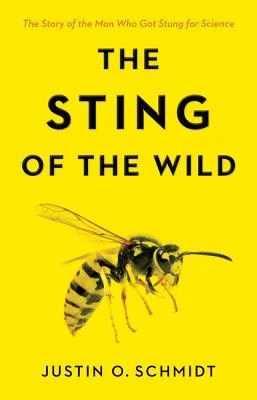
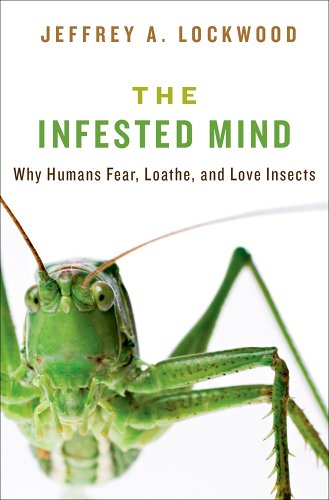
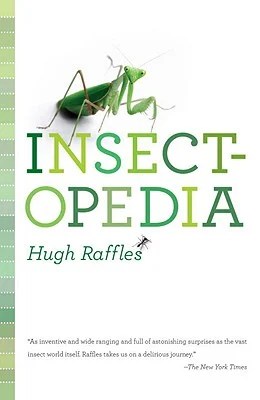
The natural world remains a powerful catch-all for a myriad of writerly experiences, but the books from the professionals doing diligent field work are just as if not more interesting than the stuff the poets steal. Justin O. Schmidt went around the world getting stung for science, ranking the pain of different venomous creepy-crawlers like bullet ants and tarantula hawks, toxinology one area of emphasis in this arena. Another entomologist, Jeffrey A. Lockwood, wrote about his fear of bugs and the cultural intersections of this fear from his new vantage as creative writing professor, after first dropping a bomb about the historical weaponization of insects with Six-Legged Soldiers. So I jumped like a flea beetle from Schmidt to Lockwood then Hugh Raffles—a New School anthropologist whose encyclopedic study of insects Insectopedia comes artfully rendered between photographs like Sebald cosplaying Faber. Spend some time poking around the nonfiction shelves of your library and find out.
—Jason Teal, author of We Were Called Specimens and editor of Heavy Feather Review
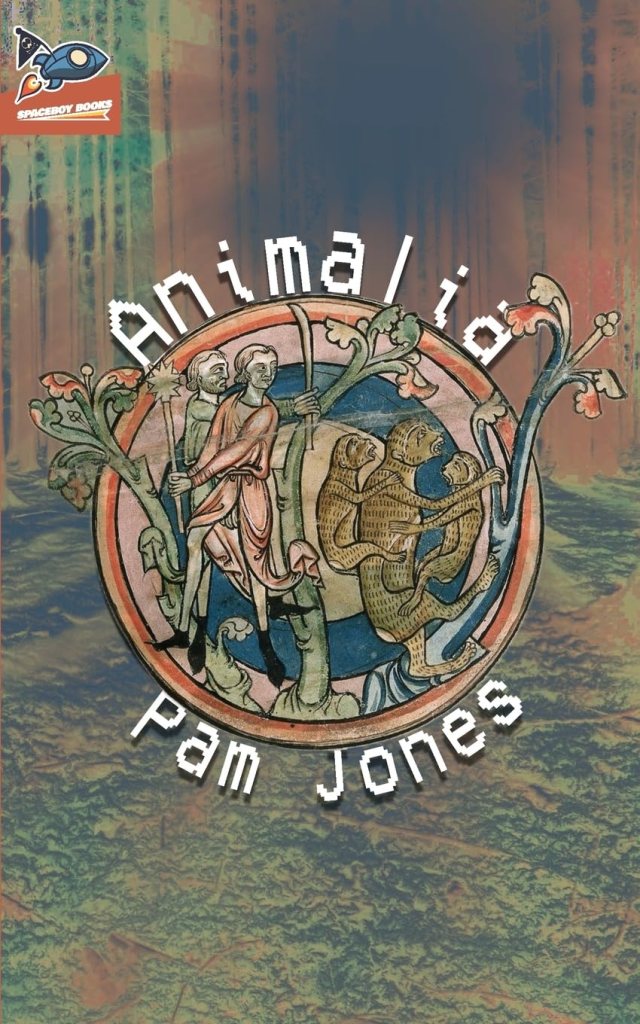
Animalia
by Pam Jones
(Spaceboy Books)
I had the pleasure of blurbing this book and I called it “a metaphysical Harry and the Hendersons if it had been directed by Michael Haneke.” One morning, a group of children, who had been missing for many years, return to their families. They had been sucked into some type of Eden, where they lived like animals without speech or possessions. Through their experiences of acclimating to the world they had left behind, Jones explores questions about identity, social mores, and family. It is a wonderful contemplation on what makes us “human.”
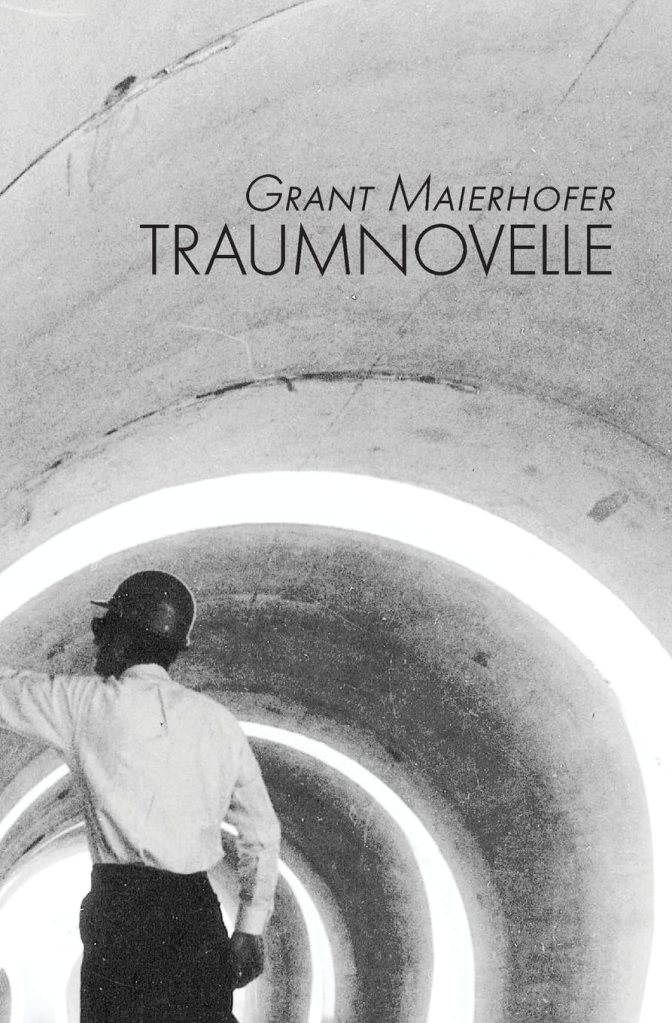
Traumnovelle
by Grant Maierhofer
(Spuyten Duyvil Publishing)
I think Grant Maierhofer is one of the most interesting authors working today. Traumnovelle is an experimental novel about a real historical event where a Soviet physicist stuck his head inside a particle accelerator. The title translates to “dream story” and, to me, much of this book is about how things beyond our comprehension seem to live in that same disincarnate place as our dreams. Told in numbered sections, this novel reads alternatively like a scientific report, an interview, philosophical treatise, a police account, or a collection of poems. It is beautiful and existential and somehow very real.
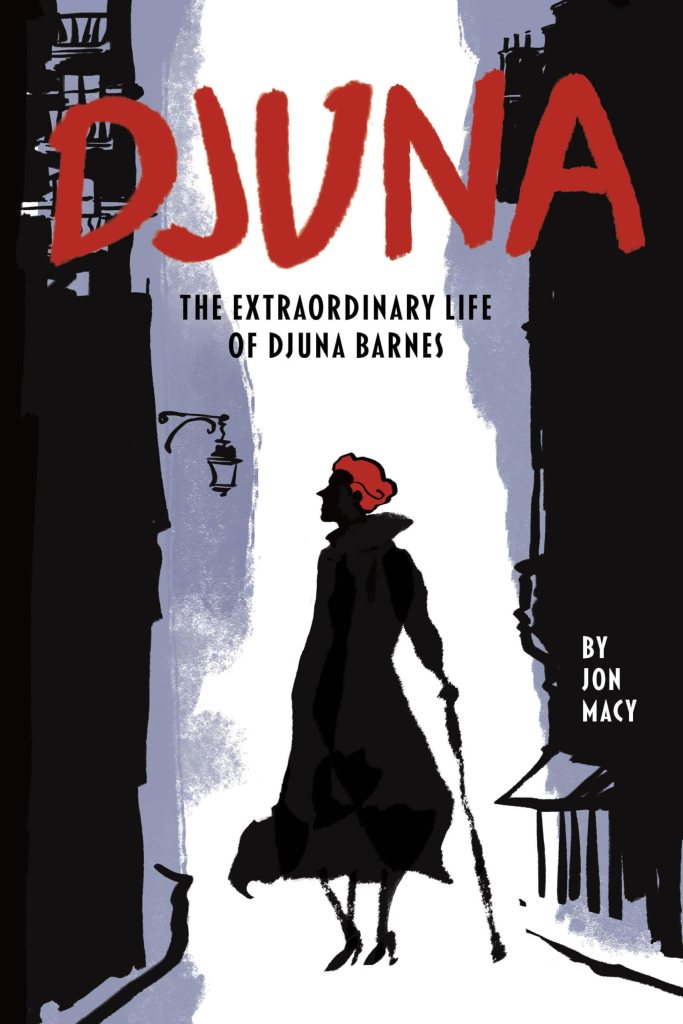
Djuna: The Extraordinary Life of Djuna Barnes
by Jon Macy
(Street Noise Books)
I loved this graphic novel. What an incredible, thrilling life Macy has captured in these pages. Djuna Barnes and these chic and avant-garde women of the early 20th century should be more famous. Striking a perfect complement between the artwork and the text, Macy has created a wonderful tribute to an incredibly interesting artist.
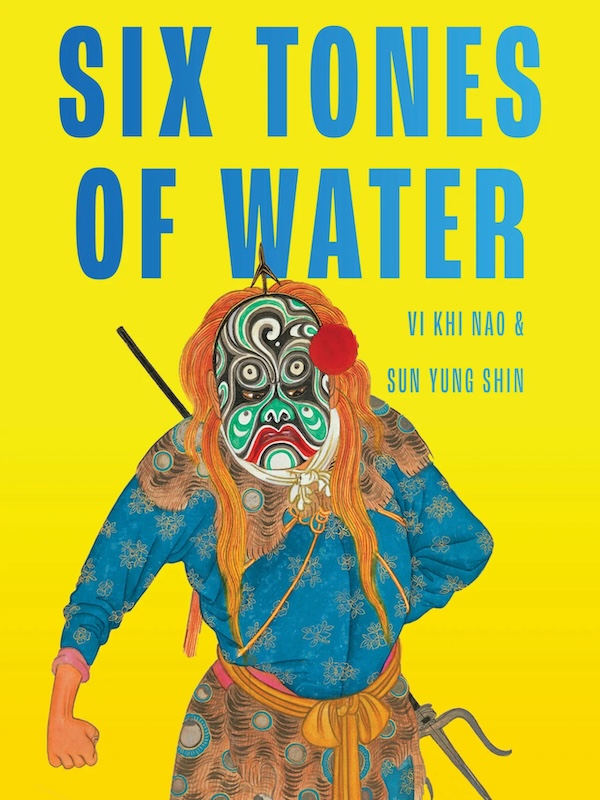
The Six Tones of Water
by Sun Yung Shin & Vi Khi Nao
(Gold Line Press/Ricochet Editions)
I’ve said it before and I’ll say it again, Vi Khi Nao is one of my favorite authors. She is so original and unexpected in her writing and her talent bridges all forms. I also have been a fan of Sun Yung Shin’s since Unbearable Splendor came out in 2017. This collaborative work is a wonderful opportunity to see how these artists engage with, play off of, and inspire each other. As it is poetry, the form allows for a greater freedom of expression and their creativities really shine.
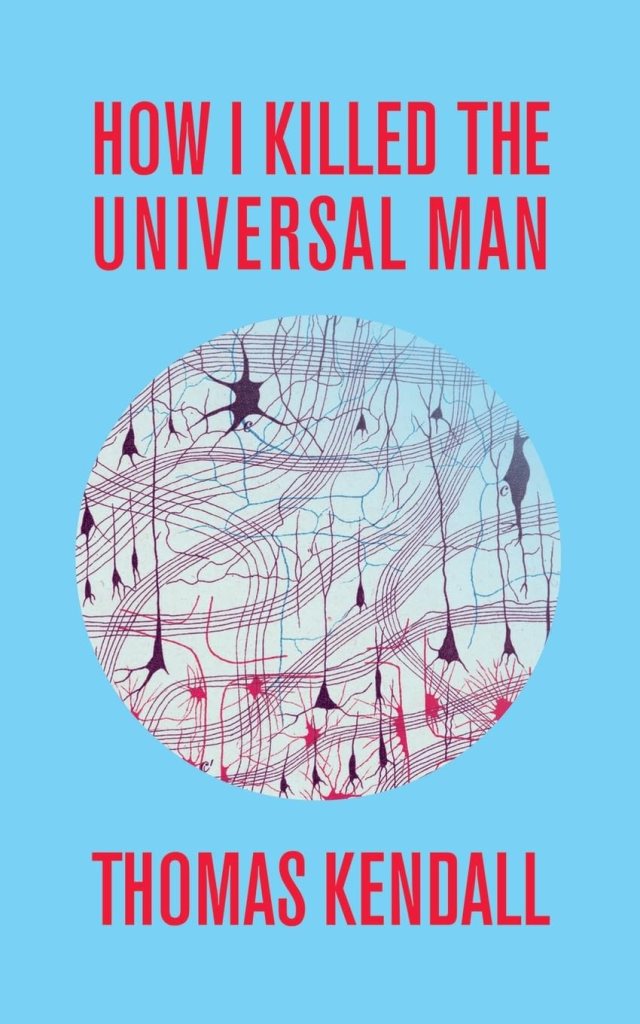
How I Killed the Universal Man
by Thomas Kendall
(Whiskey Tit)
I reviewed this novel at the beginning of the year and it really stuck with me. If you’d like to read the full account, please see: http://bit.ly/3Z9ceLq. In short, Kendall has written a really clever and effective critique of the current state of our world as we follow a journalist learning about biotechnology in a Miami that is melting into the sea. It is smart and chaotic and moves rapidly through the kaleidoscopic uncanny valley of late-stage Anthropocene.
—Jesi Bender, list master and author of Child of Light and Kinderkrankenhaus
Jesi Bender is an artist from Upstate NY. She is the author of the chapbook Dangerous Women (dancing girl), the play Kinderkrankenhaus (Sagging Meniscus), and the novel The Book of the Last Word. Her shorter writing has appeared in FENCE, Sleepingfish, Exacting Clam, and others. Her play Kinderkrankenhaus will see its second production at the Brick Theater in Brooklyn in September 2023.More: jesibender.com.
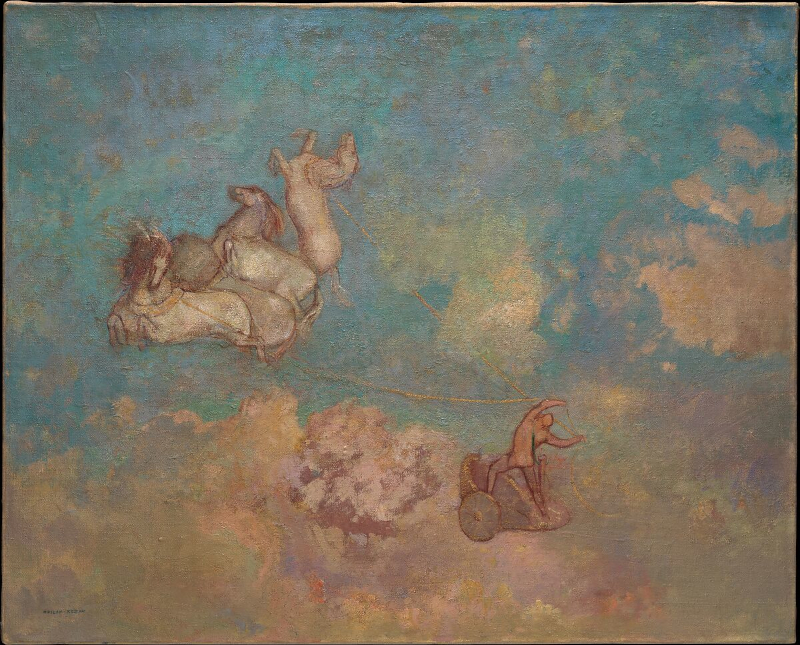
Image: “The Chariot of Apollo” by Odilon Redon, metmuseum.org
Check out HFR’s book catalog, publicity list, submission manager, and buy merch from our Spring store. Follow us on Instagram and YouTube. Disclosure: HFR is an affiliate of Bookshop.org and we will earn a commission if you click through and make a purchase. Sales from Bookshop.org help support independent bookstores and small presses.
 Heavy Feather Review