
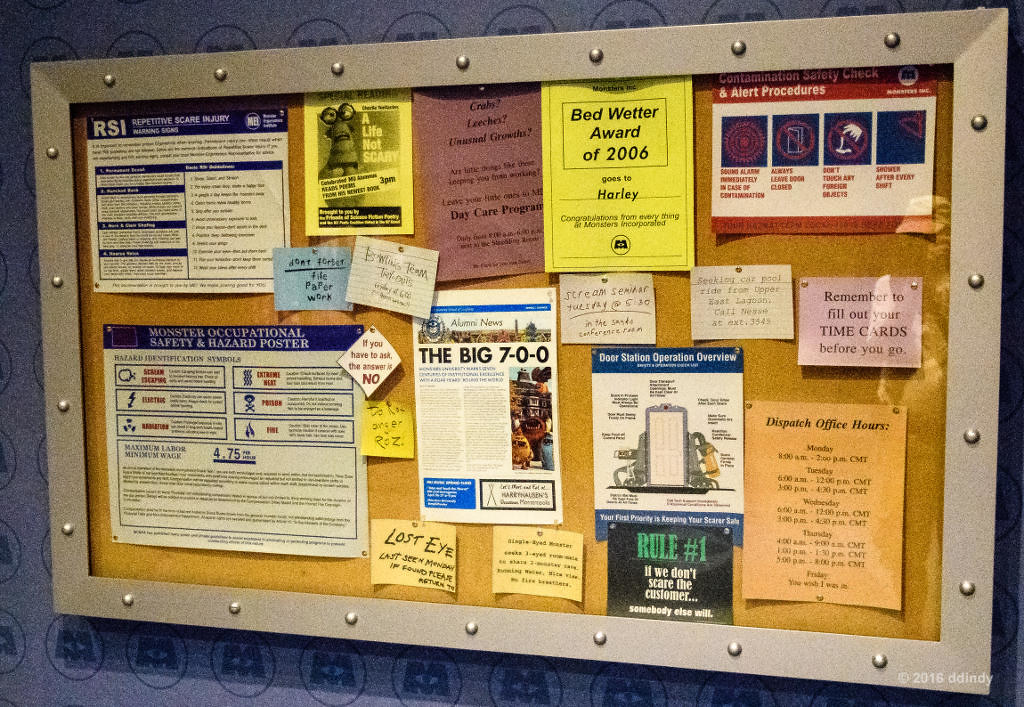
Bulletin Board Material
The bulletin board mounted outside the conference room has dozens of thumbtacks on it. Sticky notes and a few pens are below on an empty desk. There is a prompt written in blue Sharpie along the bulletin board frame: add to the conversation! Wendy put it there about a year ago, without management’s approval, to boost morale. They are either looking the other way or not looking at all. The bulletin board is partially littered with vendor business cards, doodles, and nonsense. There is an expletive-laced rant aimed at someone named Paul. There is rarely anything worth reading that might be interesting or uplifting, but eventually something in swirly cursive suggests otherwise. Today a note says, I like you, faults and all. On occasion the handwriting or the color of sticky note changes, but not much else. The carpet gets a gentle vacuum late at night but never a cleaning. It hasn’t been replaced in twenty-two years. Thumbtacks go missing. We keep showing up. This is work.
The Classifieds
The Factory places a classified ad in the local newspaper in hopes of hiring new employees after an unexpected wave of disability claims and retirements. Everybody in town knows the Factory is hiring. After two months and no applicants, the Factory pulls the classified ad. The Factory places another ad with an online job board. It chooses not to mention its corporate name this time. It receives more than fifty applicants, forty-two of which currently work at the Factory. This hasn’t solved their hiring predicament, but it has shone a light on lingering retention challenges. Still, HR is thrilled with the metrics.
The Break
In the temperature-controlled Aramark vending machine, there is one egg salad sandwich left. Positioned on its triangular cut and looking like a playground slide behind protective glass, Robert contemplates lunch. He has twenty minutes before returning to the floor. It takes ten minutes to get back to the floor from the corporate corridor of cubicles where these better vending machines are housed. The sandwich is enough and not enough. Nobody else is in line. The Italian subs on B4 are long gone. He does the math: smoke break in ninety minutes, clock out in four hours, happy hour specials at Buddy’s Bar lasting for at least three. He jams a few loose bills back into his front pocket. Peggy from Human Resources enters the break room. He gestures toward the humming Aramark machine saying he left her the last egg salad sandwich. She upholds the lie, refusing to tell him she packs.
Shut Down
For two weeks in summer the Factory goes on shut down. It has never been explained why this happens. Slow business? Retooling? Edicts from the customers we work for? Most employees look at the shut down as an anxiety-riddled ramp up. Polish the resume. Conduct the intensive job search. Purchase a new pair of shoes for a possible interview. Somewhere in the two weeks people start talking, wondering out loud if this time the shut down is for good. But like every year, no call comes—not one for an interview, nor one that says time at the Factory has come to an end. The dichotomy and mind games are real as employees weigh the disappointment of what failed to materialize, and accept the blessing of paychecks still forthcoming. Days from now many will come to realize what shut down was, is, and always will be: a two-week vacation wasted, how it evaporated like every other hope and dream that goes unfulfilled.
Thad DeVassie is a writer and artist/painter from Ohio. He is the author of three chapbooks and was awarded the James Tate Poetry Prize in 2020. His work has appeared in Gone Lawn, Salt Hill, Phoebe, Hayden’s Ferry Review, Vast Chasm, HAD, Hex, BULL, The Citron Review, and others. Find more of his written and painted work at thaddevassie.com.
Image: flickr.com
Check out HFR’s book catalog, publicity list, submission manager, and buy merch from our Spring store. Follow us on Instagram and YouTube. Disclosure: HFR is an affiliate of Bookshop.org and we will earn a commission if you click through and make a purchase. Sales from Bookshop.org help support independent bookstores and small presses.
 Heavy Feather Review